
Quick Read
- The Trump administration ended the annual federal hunger report, citing subjectivity and inaccuracies.
- Recent legislation cut food stamp eligibility for approximately 3 million Americans.
- Critics argue ending the hunger report obscures the impact of food aid cuts.
In the heart of Washington, a quiet but seismic shift just unfolded: the Trump administration has decided to end the federal government’s annual report on hunger in America. For decades, the U.S. Department of Agriculture’s Household Food Security Report offered a window into one of the country’s most persistent social challenges. Now, that window is shuttered. The USDA claims the survey is “overly politicized” and “rife with inaccuracies.”
America’s Hunger Report Ends Amid Political Storm
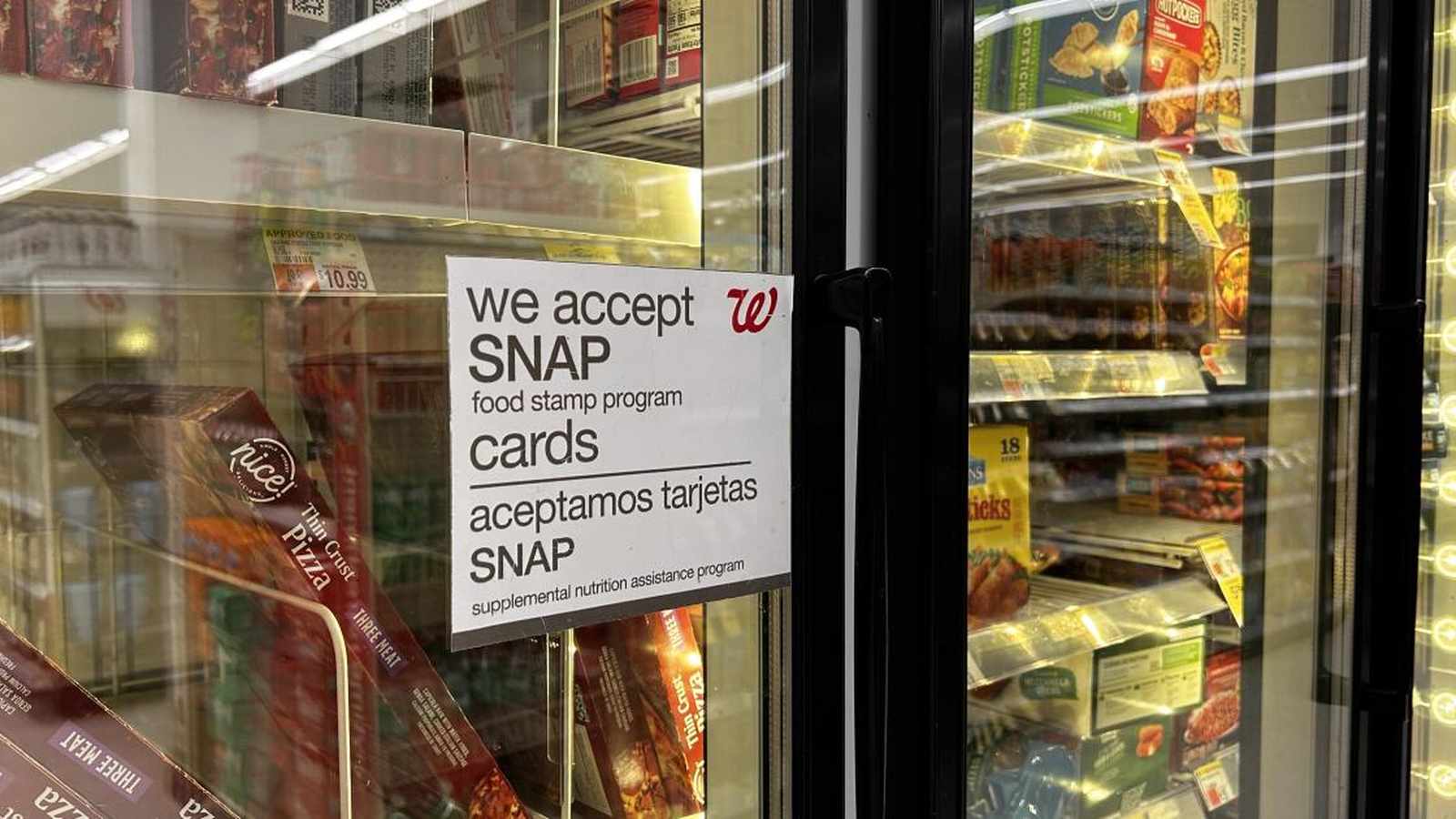
The timing is striking—coming less than three months after President Trump signed legislation sharply reducing food aid to the poor. According to the Congressional Budget Office, the recent changes mean some three million Americans will lose access to Supplemental Nutrition Assistance Program (SNAP) benefits, commonly known as food stamps.
Supporters of the administration point to falling poverty rates and increasing wages, suggesting that economic progress is making the old metrics obsolete. The Census Bureau recently reported a modest dip in the poverty rate, from 11% in 2023 to 10.6% last year. But critics see a different story. Bobby Kogan, senior director of federal budget policy at the Center for American Progress, argued that the decision to end the report is an attempt to obscure the realities of hunger and poverty, likening the move to tactics seen in less transparent governments. “Trump is cancelling an annual government survey that measures hunger in America, rather than allow it to show hunger increasing under his tenure,” Kogan said on social media.
Politics and Public Narrative: Shaping What America Sees
This isn’t just about numbers—it’s about narrative. By scrapping the annual hunger report, the administration is changing how the country talks about food insecurity. What gets measured gets attention; what’s invisible is easily ignored. The USDA maintains that the questions in the survey are “entirely subjective” and fail to reflect the true picture of food security in the nation, citing economic growth and job creation as evidence of improvement.
Yet, for those who rely on SNAP, the impact is tangible and immediate. Losing benefits isn’t an abstract policy—it’s dinner plates left empty, children sent to school without breakfast, and families forced to stretch every dollar.
The controversy highlights a deeper tension in American politics: who controls the story, and what does that mean for real lives? The decision to end the hunger report arrives at a time when debates over government transparency and accountability are front and center. As Reuters has noted in similar instances, the suppression or alteration of public data often sparks fierce debate about the role of evidence in shaping policy. For many, the annual hunger report was more than a statistic—it was a signal that someone, somewhere, was paying attention to the invisible struggles of millions.
Intersecting Realities: Hunger, Hope, and the American Dream
At its core, the story of the hunger report’s cancellation reflects the intersection of policy and everyday life. Decisions made in the halls of power reverberate far beyond Washington, touching families in ways that are often invisible to the public eye.
As the country debates the meaning of progress, it’s worth asking: who gets to define success? Is it the dip in the poverty rate, or the stories that go untold when reports are shelved? In the end, the measure of a nation may be found not only in its victories, but in its willingness to confront uncomfortable truths.
The cancellation of the hunger report is more than a bureaucratic decision—it’s a statement about whose stories matter. As millions face new uncertainty, the nation stands at a crossroads where transparency, resilience, and empathy are needed more than ever.