
Quick Read
- The Fed projects headline PCE inflation at 3.0% and core PCE inflation at 3.1% for 2025.
- Economic growth is downgraded to 1.4% for 2025, down from the previous 1.7% forecast.
- The unemployment rate is expected to rise to 4.5% in 2025, reflecting a cooling labor market.
The Federal Reserve has released its updated economic projections, painting a picture of higher inflation and slower growth for 2025. The central bank’s June meeting, held on June 18, 2025, highlighted persistent economic uncertainties despite a slightly more confident tone compared to earlier forecasts. The Fed’s updated projections indicate a challenging road ahead for the U.S. economy, with inflation remaining above target and economic growth slowing.
Inflation Forecasts Revised Upward
The Fed now expects headline Personal Consumption Expenditure (PCE) inflation to rise to 3.0% in 2025, up from the 2.7% forecast in March. Core PCE inflation, which excludes volatile food and energy prices, is projected at 3.1%, compared to the earlier estimate of 2.8%. Both measures are expected to return to the Fed’s 2.0% target by 2027, but the near-term outlook suggests inflationary pressures will persist. Fidelity reports that these revisions reflect the Fed’s acknowledgment of ongoing price pressures, particularly in sectors affected by global supply chain disruptions and geopolitical tensions.
Economic Growth Downgraded
The Fed has also downgraded its economic growth forecast for 2025, projecting real GDP growth at 1.4%, down from the 1.7% estimate in March. Growth in 2026 was similarly revised downward, from 1.8% to 1.6%. This slowdown reflects the impact of tighter monetary policy, which has been in place to combat inflation, as well as broader economic headwinds. Investors notes that the Fed’s cautious stance on rate cuts has contributed to the subdued growth outlook, with policymakers emphasizing the need to maintain restrictive policy until inflation is firmly under control.
Labor Market Cooling
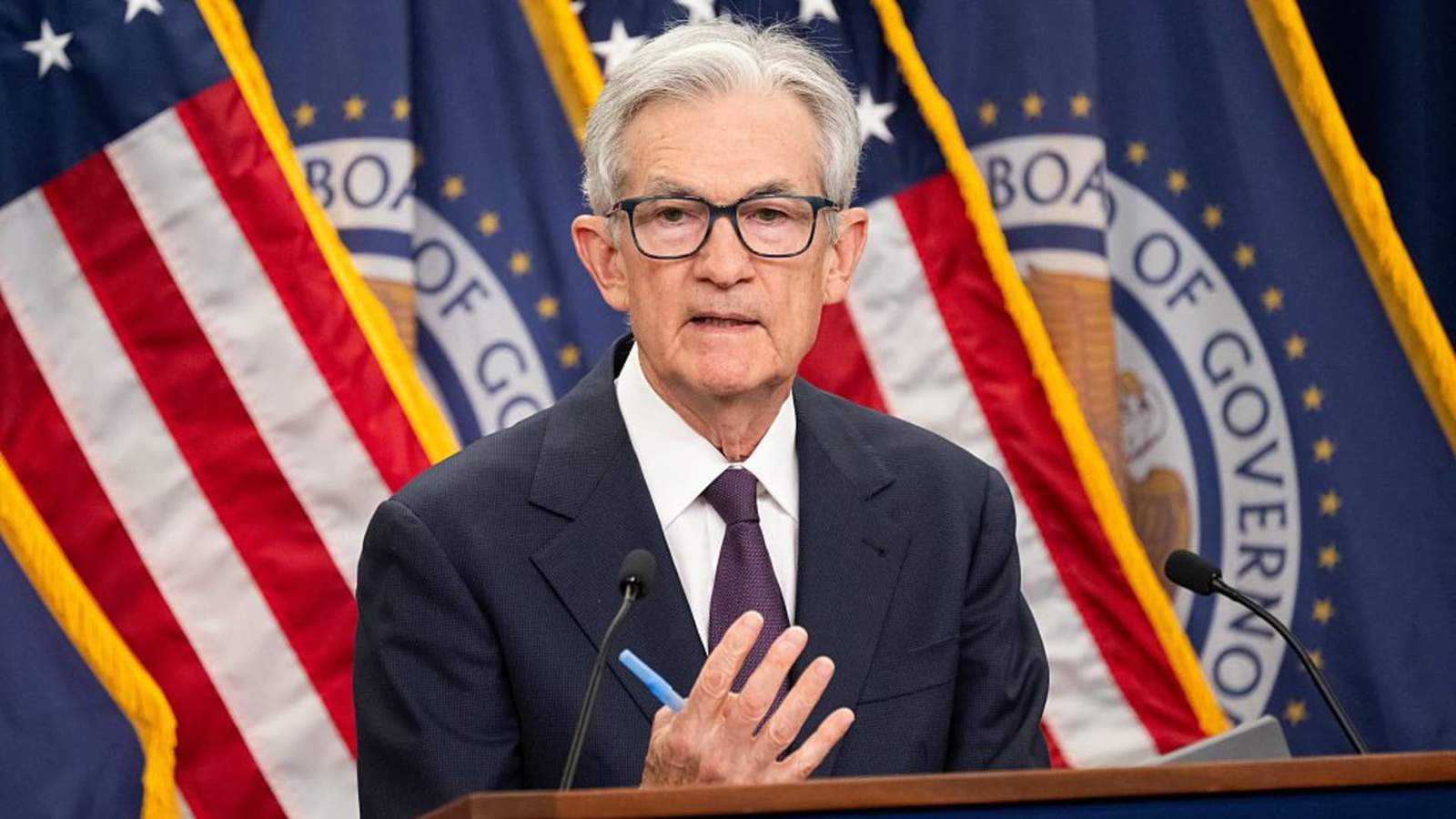
The unemployment rate is projected to rise to 4.5% in 2025, up from the current 4.2% and slightly higher than the 4.4% forecast in March. This reflects a gradual cooling of the labor market, which has been a key driver of economic resilience in recent years. Fed Chair Jerome Powell noted that the labor market remains strong but is showing signs of moderation, with layoffs beginning to rise and hiring slowing. Fidelity highlights that this trend could weigh on consumer spending, further dampening economic growth.
Fed’s Policy Stance
The Fed held interest rates steady at 4.25%-4.50% for the fourth consecutive meeting, aligning with market expectations. The central bank’s “dot plot” indicates that policymakers expect two rate cuts in 2025, unchanged from the March projection. However, the 2026 median dot was revised downward, suggesting only two rate cuts instead of three. The mid-point of the federal funds rate is expected to remain at 3.9% by the end of 2025, gradually falling to 3.6% in 2026 and 3.1% in 2027. Investors reports that the Fed’s cautious approach reflects its commitment to balancing inflation control with economic stability.
The Federal Reserve’s latest projections underscore the challenges facing the U.S. economy in 2025, with higher inflation and slower growth expected to persist. While the central bank remains cautiously optimistic, its emphasis on maintaining restrictive policy highlights the delicate balance required to navigate the current economic landscape.