
Quick Read
- Bella Culley, a 19-year-old British student nurse, was arrested in Georgia in May for drug smuggling.
- She spent nearly six months in jail before being released after a plea deal and a 500,000 lari fine.
- Prosecutors cited her age, pregnancy, and cooperation as reasons for mercy.
- Culley claimed she was coerced into trafficking by gangsters in Thailand.
- She is now free to leave Georgia after serving her time.
Bella Culley’s Unexpected Release: The Courtroom Twist
For six months, the story of Bella Culley—a young, pregnant British student nurse—unfolded far from home, inside the walls of a Georgian prison. On Monday, 3 November 2025, in a turn that surprised nearly everyone, Culley walked out of the courthouse in Tbilisi a free woman. She left behind months of uncertainty, fear, and the looming possibility of giving birth in jail.
Bella Culley’s ordeal began in May when she was arrested at Tbilisi International Airport. Authorities discovered a staggering quantity of drugs in her luggage: up to 12kg of marijuana and 2kg of hashish, according to The Guardian. For a teenager from Teesside, England, the arrest marked a dramatic—and dangerous—departure from her life as a student nurse.
Inside the Plea Deal: Mercy, Money, and Motherhood
Prosecutors initially considered sentencing Culley to up to 15 years in prison, or possibly even life. Her fate hung in the balance as her case wound through the Georgian legal system. The law in Georgia, a country with a population of 3.7 million nestled in the Caucasus, allows for financial plea deals in certain cases, particularly for drug offenses. For Culley, the possibility of a reduced sentence rested heavily on her family’s ability to pay a substantial fine and on the discretion of the prosecution.
In the days leading up to the verdict, her family—her mother, Lyanne Kennedy, a charity worker, and her father, Niel Culley, an oil rig technician—agreed to pay 500,000 Georgian lari (about £137,000). The fine was reportedly less than the original demand of 800,000 lari (£220,000), as reported by The Mirror. Her lawyer, Malkhaz Salakaia, explained that the size of the payment would influence whether Bella would be allowed to walk free or remain behind bars.
But money alone was not the only factor. Prosecutor Vakhtang Tsalugelashvili told reporters that the decision to release Culley was based on her age, her advanced pregnancy, and her cooperative attitude throughout the investigation. “It was our initiative – we took into consideration her age, her condition and her good behaviour, and that she fully cooperated,” he said. The deal was finalized just minutes before the court session began, catching Culley and her family off guard.
When the verdict was read, both Bella and her mother broke down in tears. The teenager was sentenced to five months and 25 days—the precise length of time she had already spent in custody. She was told she could collect her passport and leave Georgia. Her mother later admitted she had expected not to see her daughter again until after her grandchild was born.
Family Reunion and Emotional Scenes
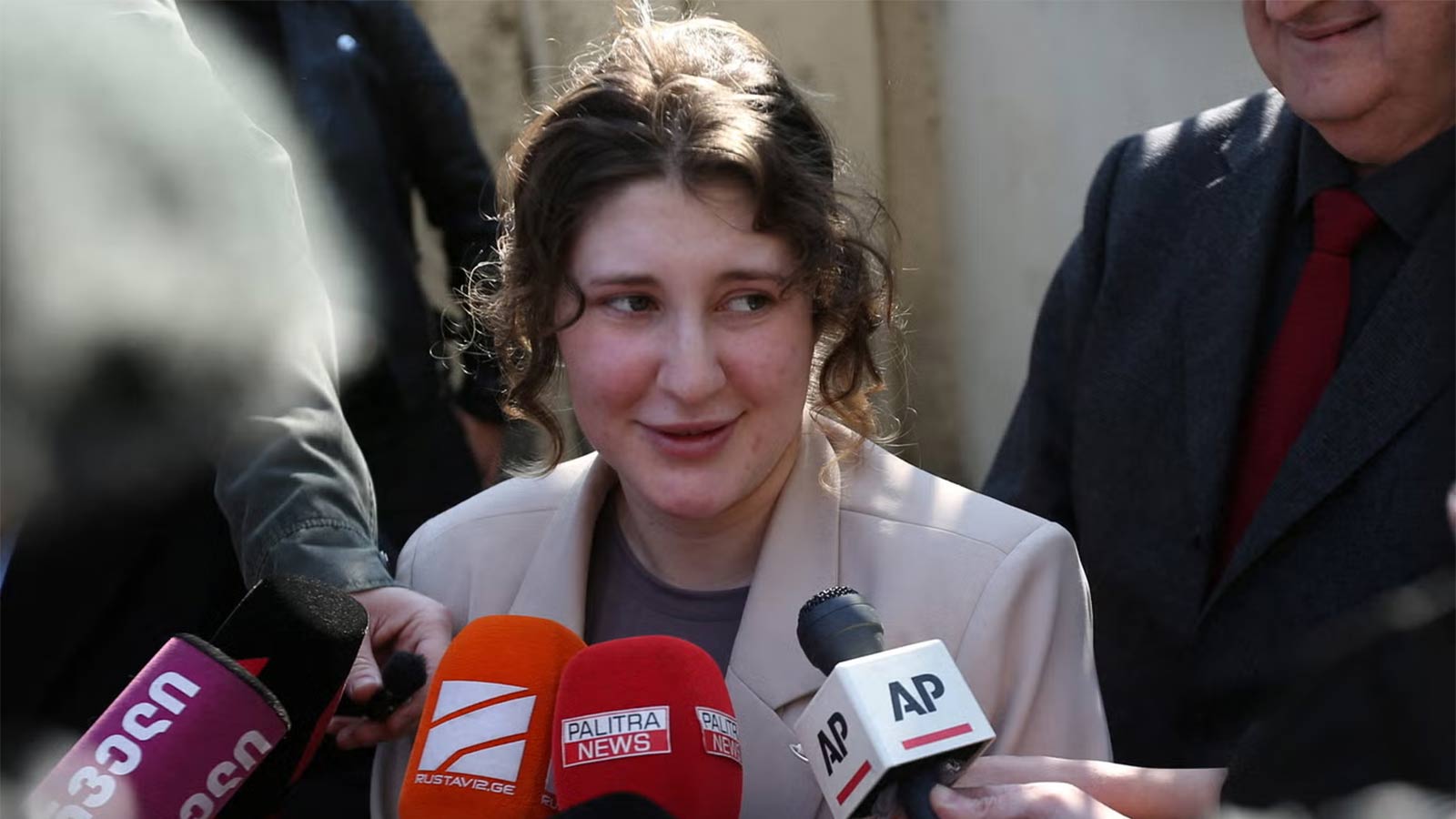
Outside the courtroom, the scene was raw and emotional. Bella wept, hugging her mother, and called her father, Niel, to share the news: “I’m not in jail anymore!” His response, echoing through the phone, was simple and joyful: “That is brilliant… brilliant!” Cameras swarmed around the family, capturing their relief and disbelief.
For months, Bella’s daily life had been shaped by the routines of prison. Her mother described the harsh realities: boiling pasta in a kettle, toasting bread over a candle, and sharing meals with other women in the mother and baby unit. The family had worried that Bella would be forced to give birth in custody, and arrangements had been made to transfer her to a nearby hospital when the time came. If parole or pardon failed, she would have raised her child in a special room set aside for mothers and infants within the jail.
Allegations of Coercion and Torture
Throughout the legal process, Bella maintained that she had not willingly participated in drug trafficking. She claimed that she had been coerced by gangsters in Thailand, who had tortured her—branding her with an iron, showing her videos of brutal violence, and threatening to harm her family. At one hearing, she told the court: “I didn’t want to do this. I was forced by torture… All I wanted to do was to travel.” Her lawyer stated that she bore visible signs of physical abuse when she arrived in Georgia.
The court ultimately accepted her plea bargain, but the details of her time in Thailand and the alleged coercion remain under investigation. Her case highlights the vulnerabilities faced by young people caught in transnational criminal schemes, and the challenges of ensuring justice across borders.
Legal Precedent and Public Reaction
Bella Culley’s release is unusual but not unprecedented in Georgia. Financial settlements and plea bargains are sometimes used to resolve drug-related cases, especially when mitigating circumstances exist. The country’s legal system, while strict, allows for mercy—particularly when the defendant’s health or family situation is at stake.
Public reaction in the UK and Georgia has been divided. Some see the decision as compassionate, given Bella’s age and pregnancy. Others question whether the plea deal sets a troubling precedent or if justice was adequately served. Her story has also reignited debates about the pressures and dangers faced by young women traveling abroad, especially when vulnerable to exploitation.
As she leaves Georgia, Bella faces the challenge of rebuilding her life and preparing for motherhood under the shadow of her traumatic experiences. Her family’s ordeal, the emotional reunion, and the complexities of international justice continue to resonate.
While Bella Culley’s release brings immediate relief for her and her family, her case exposes the tangled realities of cross-border crime, legal mercy, and the human cost of global drug trafficking. The outcome, shaped by compassion and circumstance, leaves lingering questions about justice, vulnerability, and the unpredictable paths that young lives can take.