
Quick Read
- Price Chopper and Market 32 recalled over 83,000 bags of frozen shrimp for potential Cesium-137 contamination.
- The recall affects shrimp sold after July 11, 2025, with ‘best by’ dates between April 22–27, 2027.
- No illnesses reported; consumers urged to return affected products for a full refund.
In late December 2025, Price Chopper and Market 32, two well-known grocery chains in the Northeastern United States, found themselves at the center of a major food safety alert. The source: a massive recall of frozen shrimp products—over 83,000 bags—due to fears of radioactive contamination. The news rippled through communities from New York to Massachusetts and beyond, raising urgent questions about consumer safety, supply chain oversight, and what it really means when your grocery store says “voluntary recall.”
What Triggered the Shrimp Recall at Price Chopper?
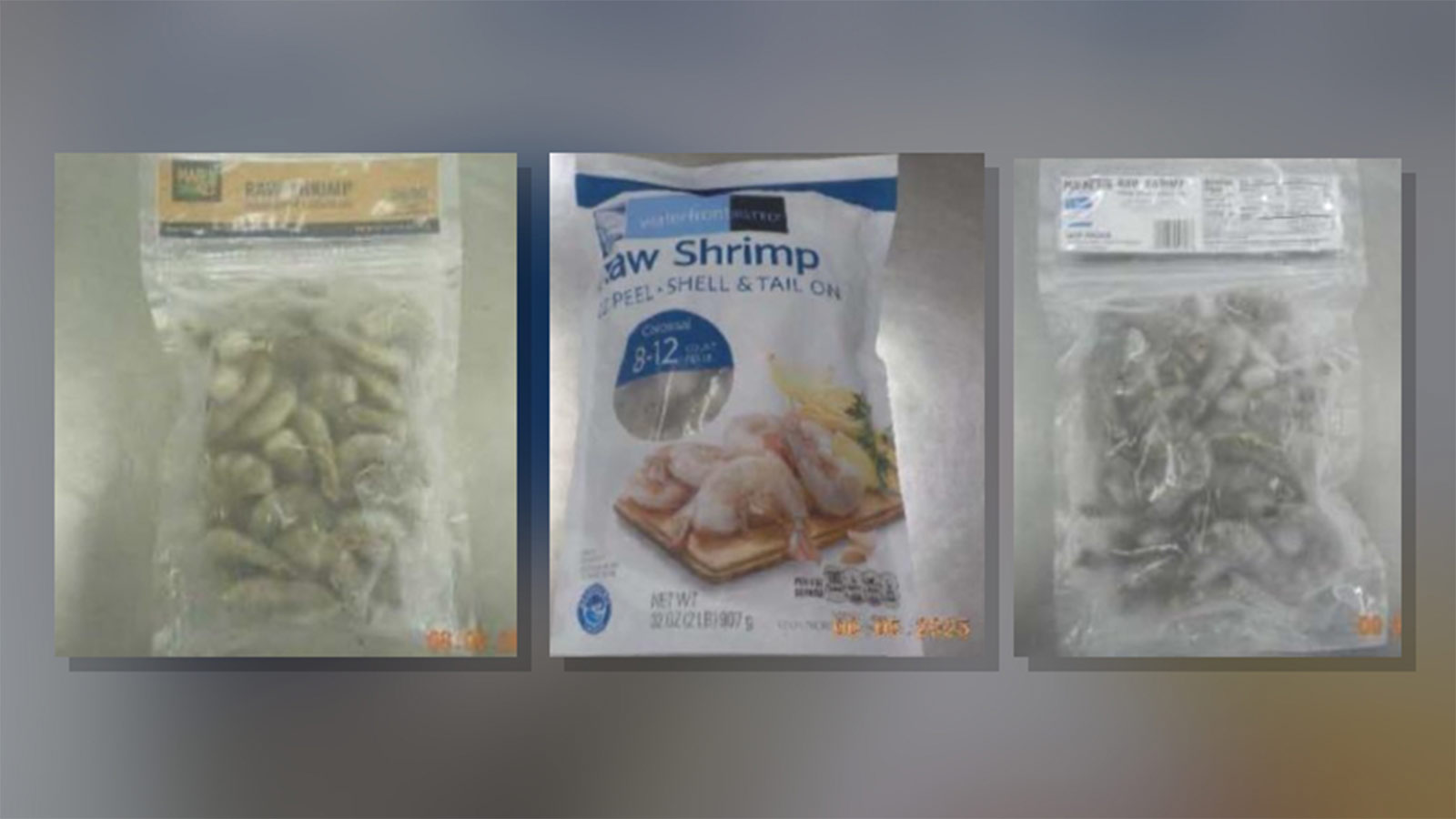
The recall was prompted by an advisory from the FDA after routine checks uncovered potential contamination with Cesium-137 (Cs-137), a radioactive isotope. According to Effingham Radio and CBS6 Albany, the affected products are Market 32/Price Chopper brand frozen farm-raised raw shrimp, specifically the 26-30 count easy peel variety, produced by Direct Source Seafood, LLC. The UPC code involved is 4173501358, with ‘best by’ dates ranging from April 22 to April 27, 2027. These shrimp were sold after July 11, 2025, in stores across Connecticut, Massachusetts, New Hampshire, New York, Pennsylvania, and Vermont.
How Did Radioactive Contamination Occur?
The contamination risk traces back to Indonesian processor BMS Foods (PT. Bahari Makmur Sejati), where Cs-137 was detected in shipping containers at U.S. ports. While no contaminated shrimp have been confirmed in the U.S. marketplace and no illnesses have been reported, the recall is part of a broader series of seafood safety alerts. Other brands—including Great Value (Walmart), Sand Bar, Arctic Shores, Best Yet, Great American, First Street, and Kroger’s Mercado—have also faced similar recalls. The FDA’s urgent alerts and the voluntary recall by Direct Source Seafood LLC reflect a growing focus on food supply chain transparency and risk mitigation.
What Should Shoppers Do Now?
If you purchased Market 32 or Price Chopper brand frozen shrimp after July 11, 2025, check your freezer for the UPC code 4173501358 and the specified ‘best by’ dates. Customers have been notified through the Broadnet recall notification program. If you have the affected shrimp, return them to your local Market 32 or Price Chopper for a full refund. For more information, consumers can contact Direct Source Seafood LLC at 425-455-2291, or reach Market 32 and Price Chopper at 800-666-7667, or via email at consumerresponse@pricechopper.com.
Importantly, as of December 2025, there are no confirmed illnesses linked to the recalled shrimp, and authorities say no contaminated product has entered the U.S. marketplace. But the advisory is clear: do not consume shrimp from the affected lots.
The Wider Impact: Seafood Safety and Grocery Store Trust
This incident is more than a one-off recall; it’s a window into the complexity and fragility of global food supply chains. Shrimp, a staple in many American households, often travels thousands of miles and passes through multiple processors before reaching your local freezer aisle. When something goes wrong—as in the case of radioactive contamination detected abroad—the repercussions are felt across states, stores, and families.
Retailers like Price Chopper and Market 32 are not alone. The recall has involved other major chains such as Jewel-Osco, Albertsons, Safeway, and Lucky Supermarket, with similar products pulled from shelves in Colorado, Iowa, Idaho, Illinois, Indiana, Montana, North Dakota, Nevada, Oregon, Utah, and Wyoming. The FDA’s approach, paired with swift action from retailers, highlights the importance of traceability and rapid consumer notification in protecting public health.
Holiday Shopping and Store Closures: What You Need to Know
Amid the recall and heightened consumer caution, holiday shopping routines were also impacted. Most Price Chopper and Market 32 stores, along with other major chains like Hannaford, Shaw’s, Walmart, and Trader Joe’s, were closed on Christmas Day 2025 in New Hampshire and other states (Seacoast Online). For many, the combination of product recalls and limited store hours added extra stress to holiday preparations. The message from retailers: always check store hours and call ahead, especially during busy holiday seasons.
In a world where grocery shopping can feel routine, events like the Price Chopper shrimp recall serve as a reminder of the hidden complexities—and potential vulnerabilities—behind every product on the shelf. For families, vigilance and prompt action remain the best defense against food safety risks.
The Price Chopper shrimp recall of 2025 underscores the vital role of transparency, rapid communication, and regulatory oversight in today’s interconnected food system. While no illnesses have occurred, the incident highlights why robust recall protocols and consumer education are essential for safeguarding public trust—and health—in an era of globalized groceries.