
Quick Read
- Prince Andrew has given up all royal titles, including Duke of York, after pressure from King Charles and Prince William.
- Virginia Giuffre’s posthumous memoir alleges Andrew’s team tried to hire internet trolls to harass her.
- Metropolitan Police are actively investigating claims Andrew sought to smear Giuffre using personal information.
- Parliament faces calls to formally strip Andrew of his remaining privileges via legislation.
- Andrew remains a prince and eighth in line to the throne, but faces exclusion from royal life.
Prince Andrew Steps Down: The End of Duke of York Amid Fresh Scrutiny
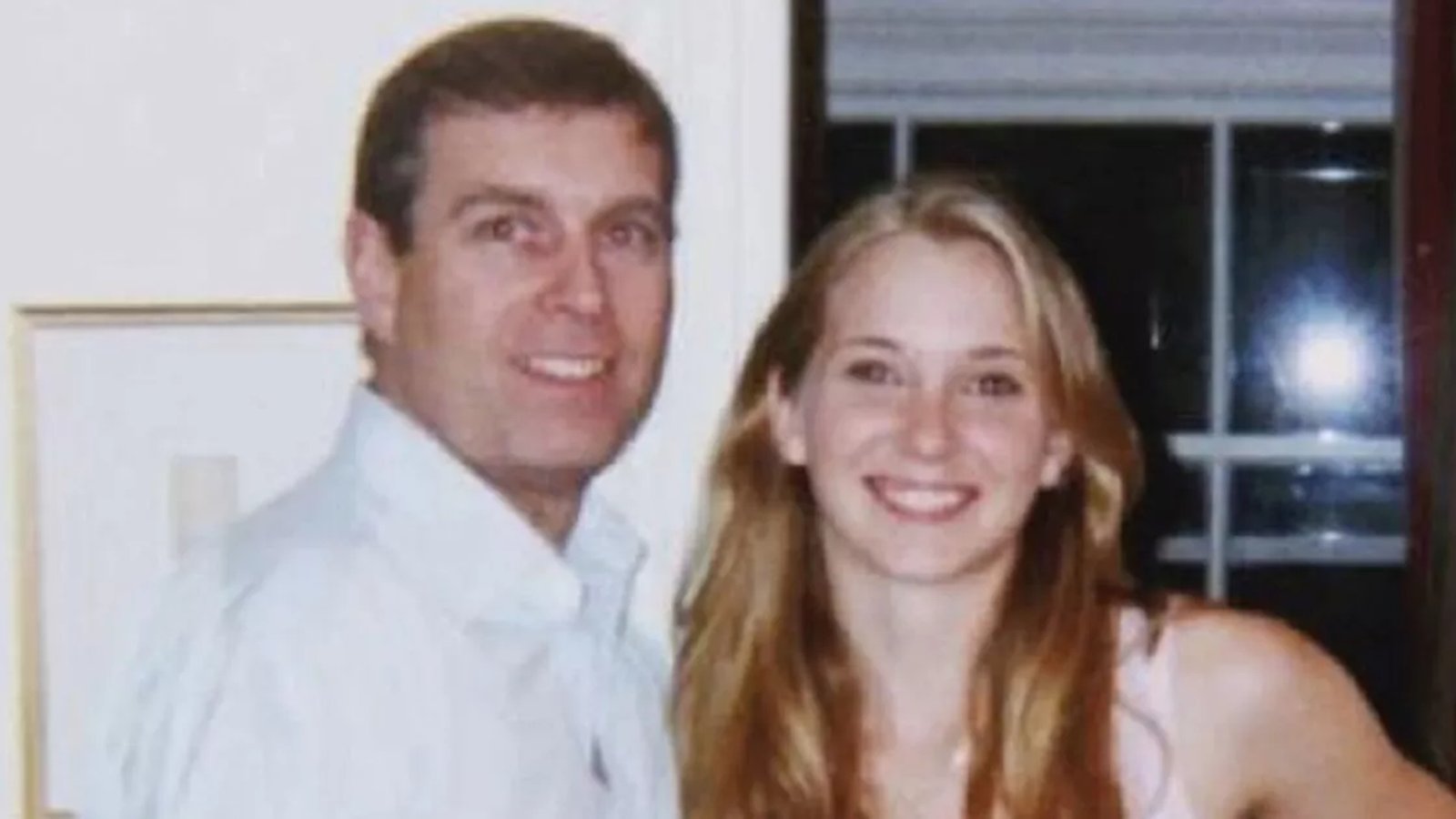
It was a moment many in Britain believed might never come. On Friday, Prince Andrew announced he would relinquish his Duke of York title and all associated honours, following months of mounting pressure from both King Charles and Prince William. The move arrives as the royal family faces renewed scrutiny over Andrew’s long-standing connection to convicted sex offender Jeffrey Epstein, and new, harrowing allegations from Virginia Giuffre, one of Epstein’s most well-known accusers.
Virginia Giuffre’s Memoir: New Claims and a Call for Justice
Just as the dust began to settle on Andrew’s decision, the release of Virginia Giuffre’s memoir, Nobody’s Girl, reignited public attention. Giuffre, who tragically died by suicide in April, accused Prince Andrew of sexually assaulting her on three occasions in 2001, when she was 17 and trafficked by Epstein—a claim Andrew vehemently denies. Her posthumous account goes further: Giuffre alleges that Andrew’s “team” attempted to hire internet trolls to harass her online, a chilling detail that underscores the aggressive tactics sometimes employed in high-profile legal battles. According to Reuters, these claims are now being actively investigated by London’s Metropolitan Police, who are also probing whether Andrew passed her personal information to his bodyguard in a bid to orchestrate a smear campaign.
Giuffre’s memoir details the challenges she faced in pursuing legal action against Andrew. She writes of how he took refuge behind “the well-guarded gates” of Balmoral Castle, making it nearly impossible for her lawyers to serve him with legal papers. “We would never get a confession, of course. That’s what settlements are designed to avoid. But we were trying for the next best thing: a general acknowledgment of what I’d been through,” she recounts, referencing the 2022 settlement that saw Andrew pay millions to resolve the civil case but admit no wrongdoing.
Royal Family Under Pressure: Calls for Further Action
The reaction from lawmakers has been swift. Several members of Parliament, including York Central MP Rachael Maskell, have called for formal legislation to strip Andrew of his dukedom and other royal privileges, arguing that public funds and police protection have long shielded him from consequences. Plaid Cymru’s Westminster leader, Liz Saville Roberts, voiced support for holding royals to the same standards as ordinary citizens: “Parliament must have the power to remove privileges from abusers of position.”
Despite Andrew’s relinquishment of titles, he remains a prince and eighth in line to the throne. Royal commentator Alastair Bruce explained to Sky News that the style of “prince” is an inherent birthright, not easily revoked. For now, the royal family and government ministers maintain that further decisions will be guided by the monarchy itself, though public sentiment increasingly demands parliamentary intervention.
Behind the Palace Gates: Family Fallout and the Road Ahead
Within the royal household, the consequences of Andrew’s actions continue to reverberate. Reports suggest that Prince William is determined to bar Andrew from all aspects of royal life should he ascend to the throne, viewing him as a “reputational risk” to the monarchy. Even Sarah Ferguson, Andrew’s former wife, is allegedly facing exclusion from royal events, after it emerged she had borrowed money from Epstein for over 15 years—a detail that further complicates the family’s public image.
Amidst these developments, Andrew remains ensconced at Royal Lodge in Windsor, having spent up to £10 million refurbishing the estate. Royal author Andrew Lownie speculates that Andrew will stay “as long as he can afford to,” clinging to what may be his final vestige of status linked to the crown. The financial arrangements, including a peppercorn rent, have drawn criticism from those who argue he continues to benefit from royal privilege.
The Metropolitan Police Investigation and Public Reaction
The Metropolitan Police’s investigation centers on whether Andrew enlisted his bodyguard to obtain Giuffre’s personal information for a smear campaign. Reports from ABC News indicate that these allegations are being treated seriously, with senior officials expressing concern over the use of police resources for personal vendettas. Energy Secretary Ed Miliband stated, “If that is correct, that is absolutely not the way that close protection officers should be used.”
Journalist Emily Maitlis, who famously interviewed Andrew in 2019, expressed relief that authorities are probing these claims. She also questioned Andrew’s narrative regarding his relationship with Epstein, noting that emails suggest he maintained contact with the disgraced financier well after he claimed to have severed ties.
The Human Cost: Giuffre’s Legacy and Impact
Giuffre’s death cast a long shadow over the proceedings. In her final email to her co-writer Amy Wallace, Giuffre emphasized her wish for her story to be published, regardless of her fate, believing it could “impact many lives and foster necessary discussions about these grave injustices.” Her memoir seeks to shed light on the systemic failures that allowed trafficking to persist across borders and the lasting trauma inflicted on survivors.
For those who followed the Epstein saga, Giuffre’s voice was one of resilience and hope. Her ghostwriter described the relinquishment of Andrew’s titles as “a step in the right direction,” crediting Giuffre’s “strength and bravery” as the catalyst for his fall from grace. Yet, the broader issues of accountability and transparency remain unresolved, with many calling for a comprehensive reckoning not only for Andrew, but for all implicated in the Epstein network.
Moving Forward: A Royal Reckoning?
As King Charles prepares for a historic meeting with the Pope, the royal family faces a future marked by scandal and uncertainty. The week’s events signal a shift in how institutions respond to allegations of abuse and misconduct, especially when those implicated occupy positions of power and privilege. Whether Parliament will act to further strip Andrew of his remaining titles remains to be seen, but the message from the public is clear: accountability should not be reserved for the powerless.
The unfolding story of Prince Andrew is more than a royal scandal—it is a mirror held up to the intersection of privilege, justice, and the struggle of survivors to be heard. As new details emerge and investigations progress, the world will be watching to see whether the monarchy is truly prepared to confront its past and chart a more transparent future.
Prince Andrew’s decision to relinquish his royal titles represents a watershed moment for the British monarchy, but the deeper questions raised by Virginia Giuffre’s allegations and ongoing police inquiries demand more than symbolic gestures. The royal family now stands at a crossroads: will it prioritize institutional accountability and the voices of survivors, or risk further erosion of public trust by maintaining the status quo?