
Quick Read
- Prince Andrew faces mounting pressure to testify regarding his ties to Jeffrey Epstein.
- U.S. attorney Gloria Allred has called for transparency from the Duke of York to help victims.
- Andrew’s tarnished reputation raises broader questions about privilege and accountability in the monarchy.
- The Royal Family is grappling with shifting roles and adapting to modern expectations.
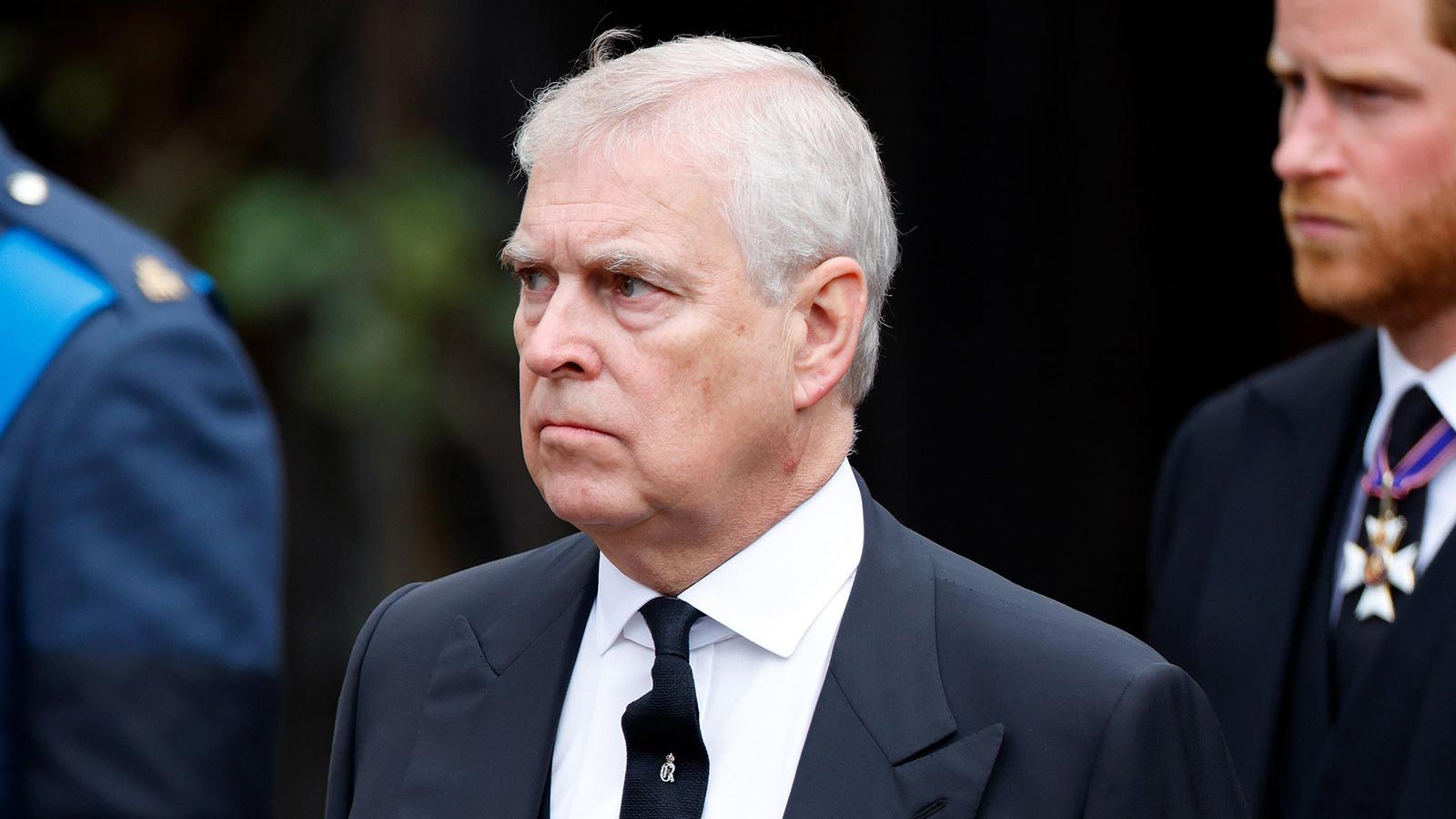
The British monarchy has faced its fair share of controversies over the years, but few have been as enduring or damaging as the scandals surrounding Prince Andrew, the Duke of York. Once a central figure in the Royal Family, his reputation has been marred by allegations of misconduct and associations with convicted sex offender Jeffrey Epstein. Now, with renewed calls for him to come forward and testify, the Duke finds himself at a crossroads—one that could define not only his personal legacy but also the public’s perception of the monarchy as a whole.
Mounting Pressure for Transparency
In recent weeks, legal experts and public figures have amplified calls for Prince Andrew to take proactive steps to address his past. U.S. attorney Gloria Allred, who represents victims of Epstein, has urged the Duke to testify and share any information he may have about the late financier’s criminal network. Speaking to The Mirror, Allred stated, “His silence is a statement that he’s not willing to help. He can volunteer to testify before Congress or cooperate with the FBI. If not, why not?”
The Duke of York has long denied allegations of sexual misconduct, including claims made by Virginia Giuffre, who alleged that Epstein coerced her into having sexual relations with Andrew when she was just 17. While the Duke has consistently refuted these claims, his refusal to engage openly with investigations has only fueled speculation and public distrust. “People want to know who was involved in trafficking or abusing children,” Allred emphasized, adding that transparency would be a critical first step in regaining public trust.
A Tarnished Reputation and Royal Isolation
Prince Andrew’s fall from grace has been swift and dramatic. Once a popular member of the Royal Family, his public appearances have dwindled since stepping back from royal duties in 2019. He now resides at Royal Lodge in Windsor Great Park, largely away from the public eye. His withdrawal from royal life has been further compounded by internal tensions within the family, including strained relations with his older brother, King Charles III.
The allegations against Andrew have cast a long shadow over the monarchy, raising broader questions about accountability and privilege within the institution. Critics argue that his continued silence undermines the Royal Family’s efforts to modernize and rebuild trust, particularly in an era when transparency and accountability are highly valued by the public.
Lessons from History: The Role of the ‘Spare’
Prince Andrew’s struggles are not unique within the context of the Royal Family. Historically, younger siblings of heirs to the throne—often referred to as “spares”—have faced challenges in defining their roles. From Princess Margaret to Prince Harry, the lack of a clear purpose has often led to feelings of isolation and, in some cases, public scandals.
According to a report by iNews, Prince William and Princess Kate are taking a different approach with their own children to avoid these pitfalls. The couple has prioritized emotional security and equal opportunities for their three children, ensuring that none feel overshadowed by their older sibling, Prince George, who is the heir apparent. This strategy marks a significant departure from traditional royal practices, which often placed greater emphasis on the heir while leaving the “spare” to navigate their own path.
The Broader Implications for the Royal Family
As the Royal Family navigates these internal and external challenges, the stakes are high. Public perception of the monarchy is already shifting, with younger generations expressing less attachment to the institution. Addressing these controversies transparently and effectively could play a pivotal role in shaping the monarchy’s future.
For Prince Andrew, the path to redemption is clear but fraught with difficulty. Voluntarily coming forward to testify or cooperate with investigations could mark the beginning of a long road to rebuilding trust. However, his continued silence risks further isolating him from both the public and his family.
*In the ever-evolving narrative of the British monarchy, Prince Andrew’s next steps will not only determine his personal legacy but also influence the institution’s ability to adapt and thrive in the modern era.*