
Quick Read
- Prince Andrew relinquishes royal titles, including Duke of York, following controversies.
- The decision was made in consultation with King Charles III and Prince William.
- Virginia Giuffre’s allegations against Andrew and his ties to Epstein fueled public pressure.
- Andrew remains eighth in line to the throne but loses active royal roles.
- This move marks a significant effort by the royal family to mitigate distractions.
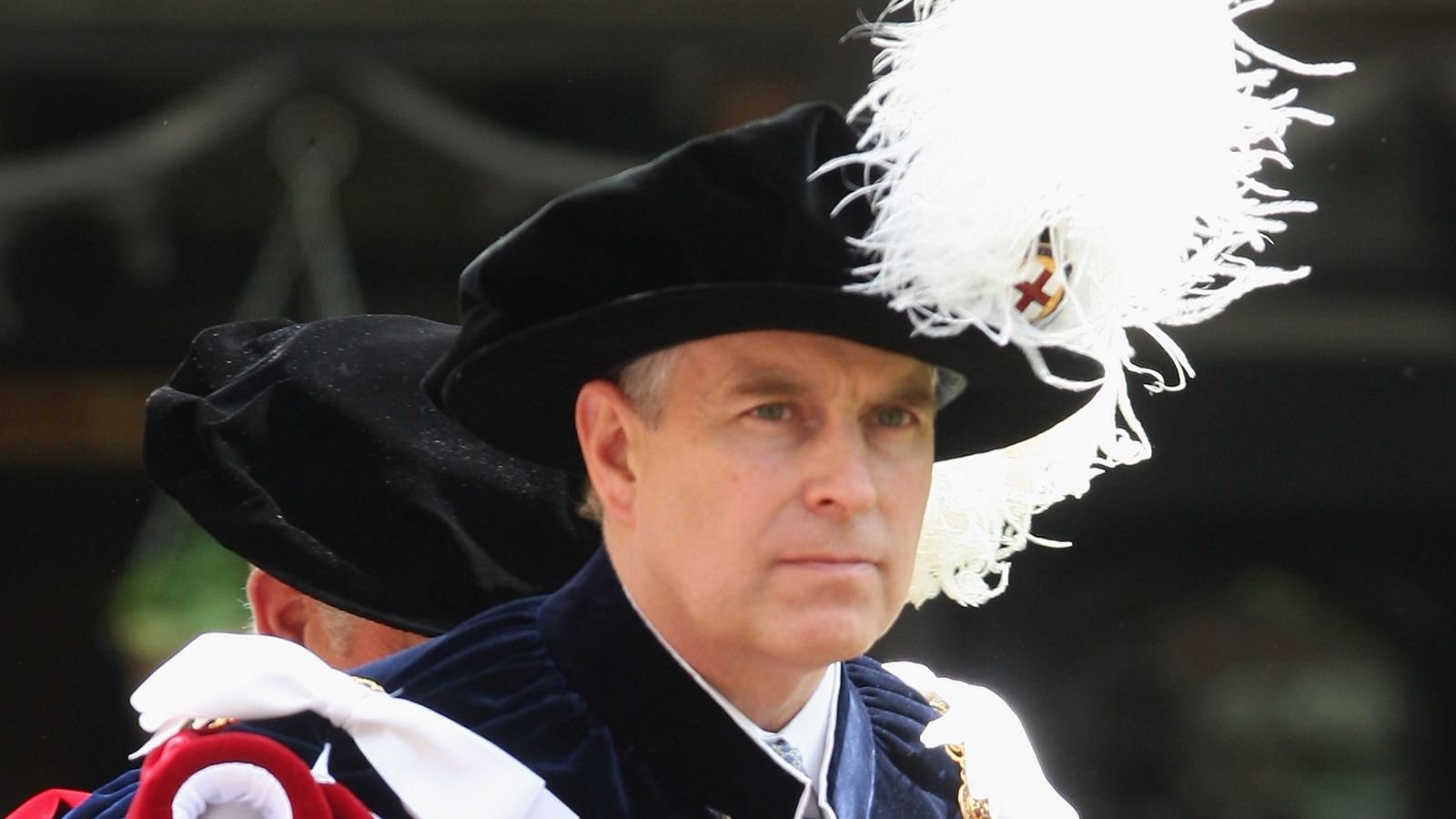
Prince Andrew, the Duke of York, has officially relinquished his royal titles amidst mounting controversies and public pressure. A decision made in consultation with King Charles III, this announcement marks a significant chapter in the ongoing scrutiny surrounding his ties to convicted sex offender Jeffrey Epstein and related allegations.
Understanding the Decision: Why Prince Andrew Gave Up His Titles
The relinquishment of Prince Andrew’s titles, including the Duke of York, Earl of Inverness, and Baron of Killyleagh, stems from years of allegations and public outrage. While he remains a prince due to his birthright as the son of Queen Elizabeth II, he will no longer use these additional honors. This move reflects the royal family’s effort to distance itself from controversies involving Prince Andrew, which have overshadowed their public duties.
The decision was reportedly influenced by discussions with King Charles III and Prince William. Royal insiders suggest that immense pressure was exerted on Andrew to step away from titles that carried significant ceremonial and personal pride. Despite these changes, Andrew retains his position as eighth in line to the throne, although his role as a counselor of state remains inactive.
Controversies That Led to the Decision
The allegations against Prince Andrew have been long-standing and damaging. Virginia Giuffre, one of Epstein’s victims, accused Andrew of sexual assault on three occasions when she was 17 years old. Although Andrew has vehemently denied these claims, a civil lawsuit was settled out of court for an estimated £12 million, with no admission of guilt or apology. Giuffre tragically passed away earlier this year, adding another layer of complexity to the situation.
In addition to the Epstein scandal, Andrew’s associations with an alleged Chinese spy further fueled public distrust. These controversies have made him a consistent source of distraction for the royal family, leading to significant reputational damage.
Impact on the Royal Family and Public Sentiment
The relinquishment of titles signifies the royal family’s attempt to regain focus on their duties and mitigate the adverse effects of Andrew’s scandals. Royal commentators have described this as a public humiliation for Andrew, noting the personal pride he took in his titles and ceremonial roles. His ex-wife, Sarah Ferguson, will also cease to use the title Duchess of York, further distancing the family from the controversies.
Public sentiment remains divided. While some view this decision as overdue accountability, others criticize it as insufficient, demanding further actions or acknowledgment of moral wrongdoing. The royal family’s handling of Andrew’s situation reflects their broader struggle to navigate modern expectations of transparency and integrity.
What Lies Ahead for Prince Andrew?
Though he remains a prince by birthright, Andrew’s active participation in royal affairs is unlikely to resume. He is expected to retain his private residence at Royal Lodge in Windsor, secured through a lease until 2078. His absence from major royal events, including Christmas gatherings, underscores his diminished role within the monarchy.
As the royal family moves forward, the lingering effects of Andrew’s controversies will continue to influence public perceptions of the institution. The upcoming publication of Virginia Giuffre’s posthumous memoir further emphasizes the enduring impact of these allegations on both Andrew and the royal family.
Prince Andrew’s relinquishment of his titles symbolizes a critical turning point in the British monarchy’s efforts to address public scrutiny and restore focus on its duties. This move, though significant, raises questions about accountability and the evolving role of the royal family in modern society.