
Quick Read
– New Public Council established by Minister of Internal Affairs.
– Aimed at strengthening dialogue with civil society.
– Includes organizations with over three years of experience.
– Focused on improving the effectiveness of the ministry’s operations.
– Reflects increased activity ahead of 2026 elections.
Public Council Composition Established by Internal Affairs Minister
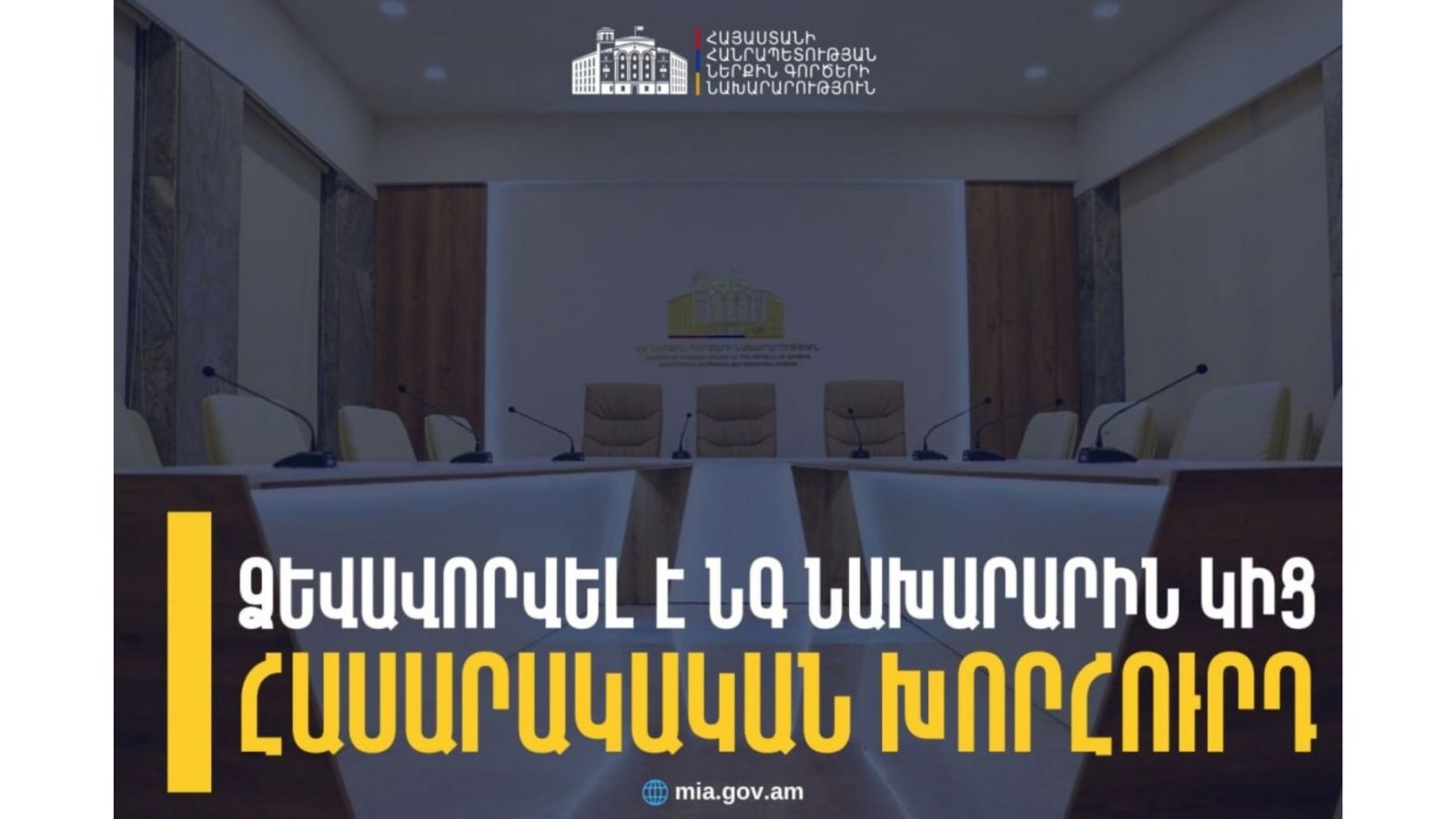
In a significant move aimed at fostering collaboration between the government and civil society, Armenia’s Minister of Internal Affairs, Arpine Sargsyan, has officially confirmed the composition of a new Public Council. This decision, outlined in decree number 94-L dated December 23, 2025, marks a pivotal step toward strengthening constructive dialogue in the country.
According to a statement released by the Ministry of Internal Affairs (MIA), the council comprises various organizations from the Police, Migration and Citizenship Service, and the Rescue Service sectors. Each member organization was selected based on their relevant experience, with a minimum of three years in their respective fields over the past five years. These organizations have previously undertaken a range of projects aimed at enhancing the development of these critical areas.
The primary objective of the Public Council’s activities is to boost the effectiveness of the Ministry of Internal Affairs by diagnosing existing issues and proposing solutions. This approach seeks to create a more responsive and accountable governance structure, facilitating a productive exchange of ideas and strategies between the ministry and civil society representatives.
It is noteworthy that, according to Armenian legislation, public councils associated with ministries should have been established long ago. However, the recent surge in the formation of these bodies raises questions. Many observers speculate that this increased activity is connected to the upcoming nationwide elections in 2026, suggesting a strategic effort to engage citizens and address their concerns more proactively.
As Armenia navigates its political landscape, the establishment of this Public Council may signify a new chapter in governmental transparency and engagement. The effectiveness of this initiative will ultimately depend on how well it can bridge the gap between the government and the public, fostering a culture of collaboration that benefits all stakeholders involved.
In summary, while the formation of the Public Council represents a hopeful step towards enhanced civil society engagement, it also underscores the necessity for sustained commitment beyond electoral cycles. The real question remains: will this initiative lead to meaningful change, or will it be another instance of political maneuvering in the face of upcoming elections?