


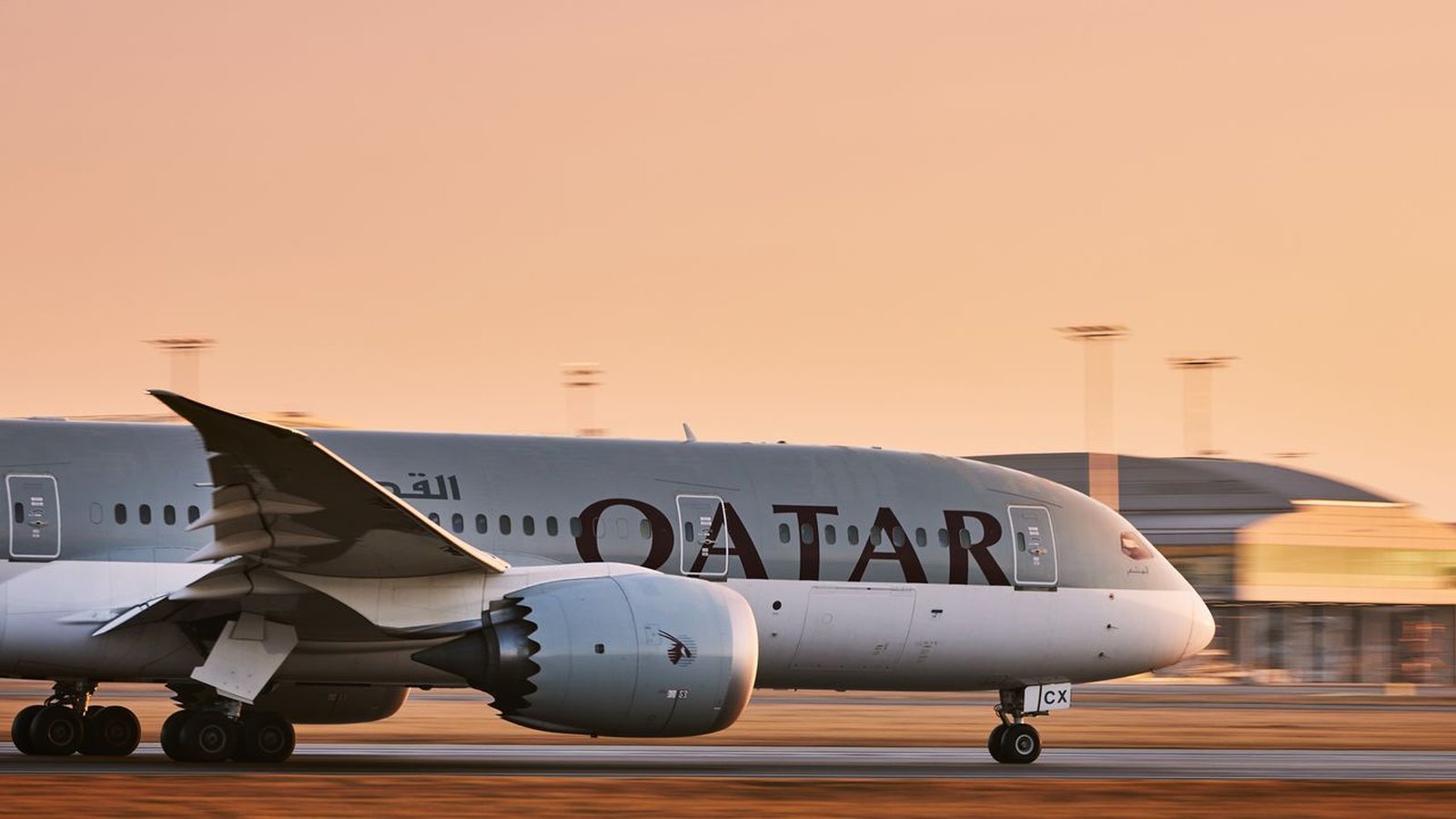
DOHA (Azat TV) – Qatar Airways has begun operating a series of limited repatriation flights to major European hubs, marking a cautious first step toward restoring connectivity after a week of total airspace closure in Qatar. The move follows an announcement by the Qatar Civil Aviation Authority (QCAA) on March 6, confirming the partial resumption of air navigation through designated contingency routes.
Repatriation Efforts and Airspace Constraints
The national carrier is currently prioritizing passengers stranded by the recent week-long shutdown, which was triggered by security concerns following regional hostilities. Flights are now departing from Hamad International Airport to select destinations, including London (LHR), Paris (CDG), Madrid (MAD), Rome (FCO), and Frankfurt (FRA). Qatar Airways officials emphasized that these services are strictly for pre-allocated passengers and do not signify a return to regular commercial operations. The airline continues to warn that flight schedules remain subject to rapid change based on evolving security assessments and regulatory adjustments.
Global Airfare Surge Driven by Fuel Costs
While the limited resumption offers a lifeline to stranded travelers, the broader aviation industry is bracing for long-term financial volatility. Since the escalation of tensions in late February 2026, global jet fuel prices have surged by more than 50 percent. Because fuel represents up to 30 percent of an airline’s total operational costs, major carriers including United Airlines, Emirates, and Lufthansa have warned of sustained airfare increases. Industry experts note that the combination of higher insurance premiums for flying over conflict zones and the necessity of rerouting flights—which consumes more fuel—is placing unprecedented pressure on ticket pricing across both short-haul and long-haul markets.
Operational Challenges at Major Gulf Hubs
Despite the partial reopening in Doha, major transit hubs across the Middle East, including Dubai and Abu Dhabi, continue to experience significant operational bottlenecks. Airports in Riyadh, Muscat, Beirut, Istanbul, and Athens have reported unusual surges in transfer traffic as carriers attempt to reconstruct fragmented networks. Passengers transiting through the region are being advised to expect longer layovers, potential aircraft swaps, and last-minute gate changes. Travelers are strongly encouraged to bypass historic schedules and rely solely on direct communications from their airlines, as many platforms are not currently reflecting the real-time status of these volatile routes.
The current volatility in Middle Eastern airspace, combined with the spike in fuel prices, suggests that the aviation sector faces a prolonged period of instability where ticket pricing and scheduling will remain highly sensitive to geopolitical developments rather than traditional market demand.