
Quick Read
- Lionel Carmant resigned as Quebec Social Services Minister on October 30, 2025.
- He left the CAQ party due to the controversial Bill 2, which ties doctor pay to performance.
- Carmant’s family, including his physician daughter, publicly criticized the new law.
- He will sit as an independent for the remainder of his term.
- Premier François Legault expressed regret but supported Carmant’s decision to prioritize family.
Minister Carmant Steps Down Amid Turmoil Over Doctor Payment Law
In a moment that resonated far beyond Quebec’s legislature, Social Services Minister Lionel Carmant announced his resignation from the Coalition Avenir Québec (CAQ) cabinet on Thursday, October 30, 2025. The move came in the wake of the province’s newly adopted Bill 2, a law that ties physicians’ pay to performance metrics—a proposal that has sharply divided the medical community and the government.
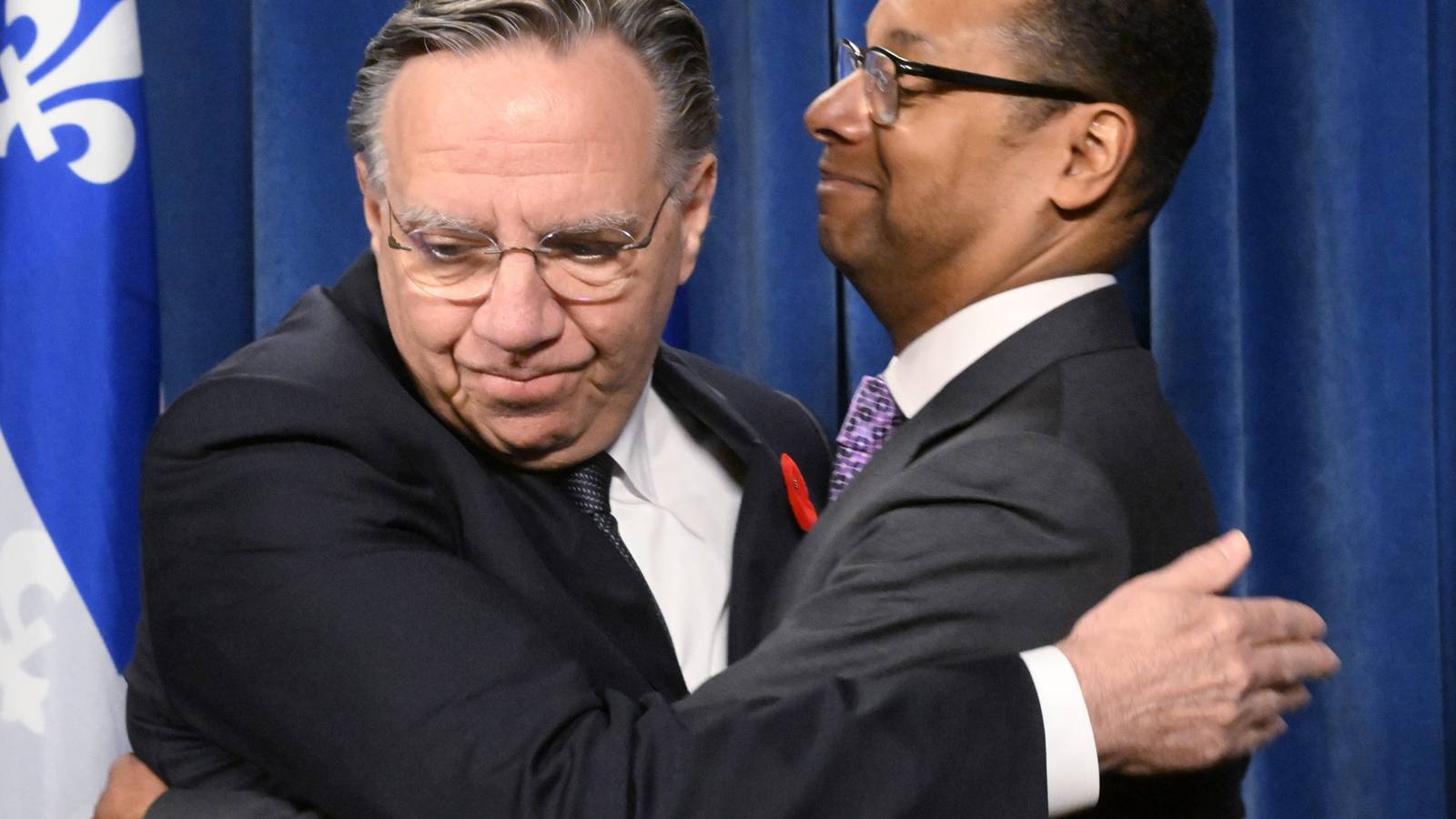
Standing beside Premier François Legault, Carmant spoke candidly to reporters at a hastily convened press conference. The emotion in his voice was unmistakable as he explained that recent weeks had forced him into deep reflection. “After a sincere reflection and lots of discussion with those close to me, I have taken the gut-wrenching decision to leave my functions of minister,” he said. “The last few weeks have been difficult and lead me today to refocus my priorities. I am choosing my family, the one me and my wife have built.” (Montreal Gazette)
Family Tensions Bring Private Matters Into Public View
Carmant’s resignation was not just a political decision—it was personal. His wife and daughter are both physicians, and the impact of Bill 2 on their professional lives was felt acutely at home. Earlier in the week, Carmant confided to reporters, “Things are not easy at home. My wife is a doctor, my daughter is a doctor; she is starting to practise. They are angry.” (CityNews Montreal)
The catalyst for Carmant’s departure was a public letter published by his daughter, Laurence Carmant, in Le Devoir. Laurence, a medical specialist, voiced her concerns about the new law and its effect on the province’s healthcare system. She wrote, “The minister of health, Christian Dubé, seems to associate doctors with the lack of productivity in Quebec. Regardless, the gap with Ontario has nothing to do with a lack of will or laziness: it is the system which is profoundly broken.”
Laurence contrasted her experiences working in Ontario and Quebec, noting she could see eight to ten patients in a morning in Toronto, but only three in Quebec due to systemic constraints. Her words struck a chord with many in the medical field, amplifying the debate over the province’s efforts to increase healthcare efficiency.
Political Fallout and a Personal Loss for Premier Legault
Premier François Legault, a longtime friend and neighbor of Carmant, expressed regret at losing a key member of his team. Legault had personally recruited Carmant, a physician himself, from the hospital system to serve in government. “I understand the torn situation he is experiencing,” Legault remarked. “In life we have to always pick our family above all which is what Lionel is doing today. Quebec is lucky to have been able to count on Lionel Carmant.” (Montreal Gazette)
Carmant’s departure is a significant blow for Legault and the CAQ. Bill 2 has been criticized for its approach to doctor remuneration, and losing a loyal and influential minister in the midst of the controversy only intensifies the challenge. Carmant will remain in the legislature as an independent for the rest of his term, representing the riding of Taillon.
Bill 2: A Law Dividing Quebec’s Medical Community
The law at the center of this upheaval, Bill 2, was designed to address perceived inefficiencies in Quebec’s healthcare system by linking doctor salaries to performance targets. Supporters of the law argue that it’s a necessary step to improve patient outcomes and tackle longstanding bottlenecks in care delivery. Critics, however, see it as punitive, suggesting it ignores the systemic issues that limit productivity and unfairly places blame on individual doctors.
Carmant’s own background as a physician lent his resignation added weight. Many colleagues viewed him as a bridge between the medical profession and policymakers. His decision to step down, citing family and professional concerns, has intensified calls for the government to reconsider its approach.
What Happens Next for Quebec’s Healthcare Policy?
As Carmant transitions to sitting as an independent, the future of Bill 2 remains uncertain. The public debate sparked by his resignation and Laurence Carmant’s open letter has energized both supporters and opponents of the law. In the legislature, the CAQ faces growing pressure to address concerns from medical professionals and their families, who argue that real reform must tackle deeper structural problems rather than focus solely on pay incentives.
For Carmant, the decision to prioritize family over politics was deeply personal, but it has also become a rallying point for those who see the need for more compassionate and realistic healthcare policies. As the province grapples with the fallout, the voices of those directly affected—patients, doctors, and their families—are likely to play an increasingly prominent role in shaping the next chapter of Quebec’s healthcare story.
Carmant’s resignation is more than a headline—it’s a reminder that policies crafted in parliament echo through homes and hospital wards alike. By choosing his family over political office, Carmant has underscored the human stakes behind every legislative decision, challenging lawmakers to look beyond numbers and metrics to the lived realities of those they serve.