
Quick Read
- Queen Elizabeth II spent her childhood at Royal Lodge, Windsor.
- Prince Andrew lived in Royal Lodge from 2003 until 2025 under a unique lease.
- Andrew was stripped of his royal titles and evicted from Royal Lodge amid scandal.
- Royal Lodge’s history reflects centuries of royal tradition and recent controversy.
- Prince William highlights Queen Elizabeth’s lasting influence on family duty.
Queen Elizabeth’s Influence: A Monarch’s Private World
Queen Elizabeth II’s reign spanned more than seven decades, touching not just the British nation but the intricate web of her own family. Her legacy is etched not only in the headlines but in the quiet corners of royal residences, where tradition and personal ties intertwine. One such place—Royal Lodge in Windsor Great Park—stands as a symbol of both royal continuity and present-day controversy.
Royal Lodge: A Home of History and Heartache
Nestled behind ancient oaks and manicured lawns, Royal Lodge is more than an architectural gem; it’s a living chronicle of the House of Windsor. Since the 1660s, a home has stood on this site, evolving through centuries of royal residents. In the early 20th century, it became a haven for the young Princess Elizabeth, who would later ascend the throne. Her formative years in the gardens and rooms of Royal Lodge shaped her sense of family and duty—a theme echoed throughout her reign.
After the death of King George VI, Queen Elizabeth’s mother made Royal Lodge her beloved retreat until her passing in 2002. The property then shifted from a place of maternal warmth to a stage for new family dramas.
Prince Andrew: From Favored Son to Outcast
Prince Andrew’s journey is inseparable from Royal Lodge’s modern history. Once described as the Queen’s “favorite son”—a golden boy who could do no wrong in her eyes—Andrew’s standing has dramatically shifted. Born in 1960, he was the third child of Queen Elizabeth and Prince Philip, arriving at a time when the Queen, more settled in her role, could devote greater attention to her children.
Andrew’s early years were marked by public service and family milestones. His naval career, notably during the Falklands War, earned him respect and recognition. His marriage to Sarah Ferguson in 1986, celebrated with grandeur at Buckingham Palace, brought new life to the royal fold. Royal Lodge became the family’s sanctuary, hosting the Duke and Duchess of York, along with their daughters, Beatrice and Eugenie.
But the stability was short-lived. Andrew’s marriage unraveled under the pressures of royal duty and media scrutiny. Divorce followed in 1996, and as Andrew navigated life post-Navy, he took on the role of the UK’s special representative for trade and investment—a position fraught with challenges and, ultimately, controversy.
The Scandal That Shook the Monarchy
Andrew’s personal and public fortunes began to unravel with his association with Jeffrey Epstein, a convicted sex offender. Photographs and testimonies surfaced, painting a picture of troubling connections. The infamous 2019 BBC interview, meant to clear his name, instead intensified public scrutiny and led to his withdrawal from royal duties.
By 2022, the scandal reached its peak: Andrew was stripped of his honorary military titles and faced a civil lawsuit from Virginia Giuffre, settling out of court with a substantial payment. The reverberations were felt not just in the media but within the royal family itself, testing the boundaries of loyalty and accountability.
Royal Lodge, once a symbol of privilege, became a flashpoint for debate. Public sentiment soured as details emerged about Andrew’s lease—a 75-year agreement signed in 2003 for just £1 million, with rent “if demanded” set at a symbolic peppercorn per year. Despite millions spent on renovations, questions lingered about fairness and the use of royal resources. The Crown Estate, which manages royal properties, faced calls for reform as Andrew’s residency came under fire.
Reuters, Town & Country, and ABC News Australia documented these developments in detail.
Royal Lodge’s Legacy: Tradition vs. Modern Monarchy
Royal Lodge’s history is entwined with the evolution of the monarchy. From George IV’s flamboyant renovations to Queen Elizabeth’s childhood playhouse, the estate has witnessed both innocence and intrigue. The miniature cottage, «Y Bwthyn Bach», gifted to Elizabeth at age six, stands as a whimsical reminder of the family’s private joys amid public pressures.
Recent years have seen Royal Lodge host weddings and intimate gatherings, reinforcing its role as a family haven. Yet, the property’s fate mirrors the shifting expectations of the monarchy. King Charles III’s decision to formally strip Andrew of his titles and evict him from Royal Lodge marks a new chapter—a move toward transparency and accountability, reflecting broader societal demands.
Queen Elizabeth’s Enduring Impact on Family Dynamics
Amid these changes, Queen Elizabeth’s influence remains foundational. Her commitment to duty, resilience, and adaptability served as guiding principles for her children and grandchildren. Prince William, in recent reflections, has acknowledged the Queen’s role in shaping his own approach to public service. He emphasizes the importance of blending tradition with contemporary values, ensuring the monarchy remains both relevant and respected.
Meyka and Page Six highlight how generational shifts within the royal family are managed through dialogue and the preservation of core values.
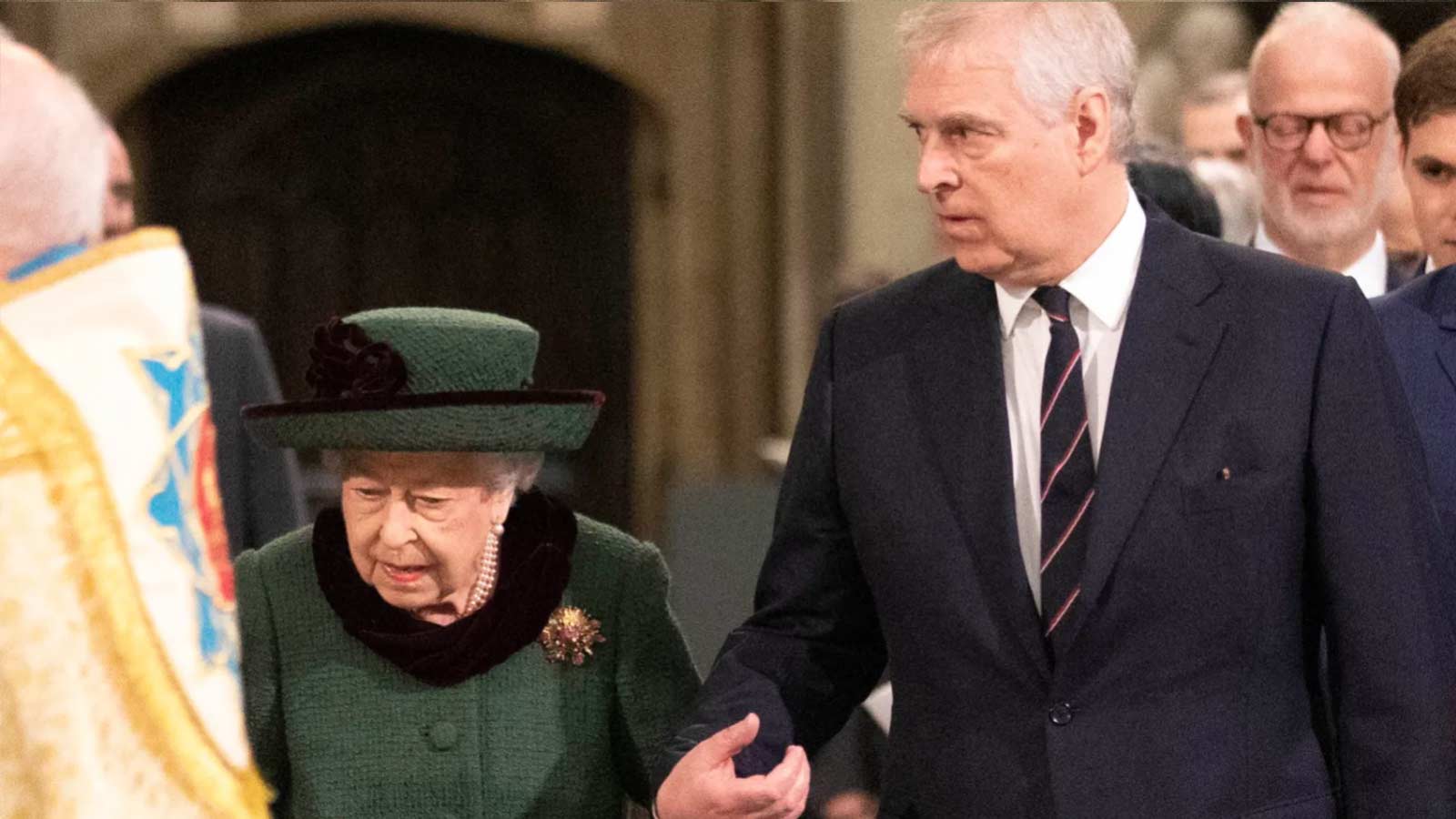
Family relationships—sometimes strained, often supportive—continue to define the monarchy’s public face. The Queen’s passing in 2022 brought both mourning and a reassessment of roles. Andrew’s emotional tribute to his mother revealed the depth of personal bonds, even amid public fallout. The awkward exchanges between Andrew and other royals, such as Prince William, underscore the complexities at play.
The Future of Royal Lodge and the Monarchy
As Andrew prepares to leave Royal Lodge for a more private life, the estate’s next chapter is uncertain. Will it revert to its historical roots as a retreat for senior royals, or become a symbol of the monarchy’s ongoing reforms? The Crown Estate’s negotiations over compensation and future use reflect the delicate balance between tradition and progress.
Meanwhile, the royal family faces new tests. Leadership transitions, changing public expectations, and the legacy of Queen Elizabeth II all shape the institution’s path forward. The story of Royal Lodge—its grandeur, its controversies, its role in family life—serves as a microcosm of the challenges and resilience that define Britain’s monarchy.
Assessment: Queen Elizabeth’s legacy is inseparable from the ongoing evolution of the royal family. Her influence, once the glue holding together tradition and personal bonds, now guides a monarchy grappling with accountability, modern values, and the realities of public scrutiny. The Royal Lodge controversy is not just a tale of property and privilege—it’s a reflection of how the institution must adapt, confronting its past while forging a path toward relevance and integrity.