
Quick Read
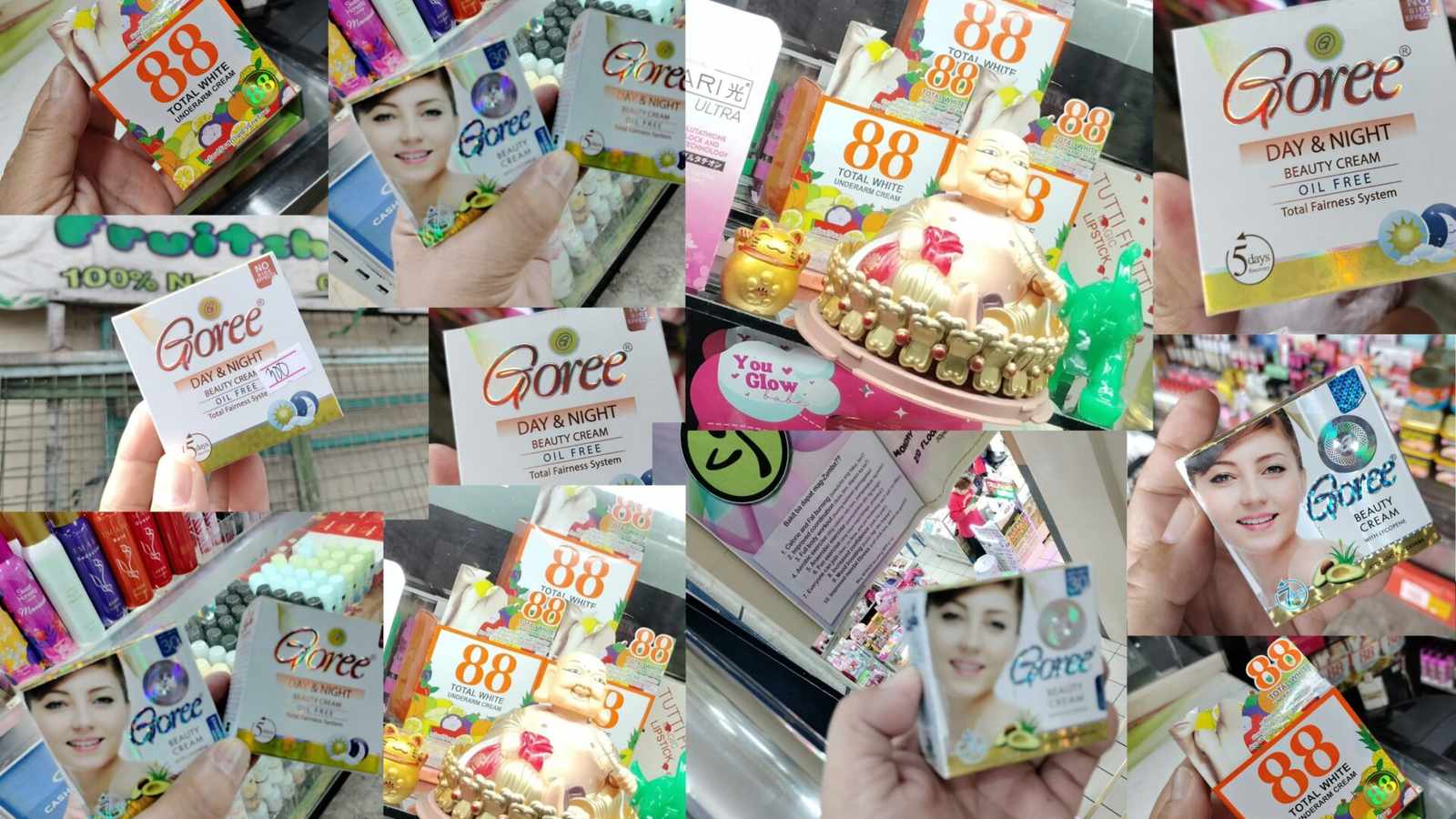
- Quezon City officials inspected stores following reports of illegal mercury-laced cosmetics.
- The operation enforces City Ordinance No. 2767 to protect public health from toxic beauty products.
- Health authorities are now prioritizing retail monitoring to combat the trade of unverified skin-lightening creams.
QUEZON CITY (Azat TV) – Quezon City local government units have launched a targeted enforcement operation to remove illegal, mercury-tainted skin-lightening products from retail shelves. The action follows a series of market monitoring reports identifying widespread violations of health safety standards, marking a significant shift in the city’s approach to consumer protection.
Enforcing Consumer Safety Against Toxic Cosmetics
Health officials from the Quezon City Health Department (QCHD), led by Dr. Ramona Asuncion Abarquez, conducted inspections across multiple retail locations identified as hubs for banned beauty items. The operation, supported by Food-Drug Regulation Officers, resulted in the immediate removal of products found to contain mercury—a substance strictly prohibited under both the ASEAN Cosmetic Directive and the Minamata Convention on Mercury. Stores found in violation were ordered to comply with City Ordinance No. 2767, which explicitly bans the distribution of such hazardous goods.
The Dual Challenge of Urban Governance
The crackdown on harmful cosmetics occurs as the city simultaneously promotes public-facing community initiatives. While health officers were removing toxic inventory, the city collaborated with private partners to host the ‘Flavors of QC’ event at Eastwood Central Plaza. This juxtaposition highlights the local government’s complex mandate to foster economic growth for local entrepreneurs through the POP QC Program while aggressively regulating health hazards that threaten public well-being.
Institutional Collaboration for Public Health
The intervention in Quezon City, alongside similar actions in Bacoor and Imus, was prompted by environmental health groups including the EcoWaste Coalition and the Cavite Green Coalition. These organizations have urged authorities to maintain vigilance against home-based online sellers and retail stores that continue to trade in unverified cosmetic products. The city’s swift response has been cited as a model for other municipalities, emphasizing the necessity of proactive inspection cycles to ensure that skin-lightening and anti-aging creams do not harbor dangerous chemical additives.
The recent enforcement actions signify a pivot toward stricter municipal oversight, where the health risks posed by unregulated chemical additives in mass-market goods are now being treated with the same institutional priority as urban development and economic programming.