
Quick Read
- NSE and BSE were closed on March 26, 2026, for Ram Navami holiday.
- This closure affects weekly derivative expiries and market liquidity.
- The 2026 stock market holiday calendar includes 16 scheduled breaks.
- Next market holidays include Mahavir Jayanti on March 31 and Good Friday on April 3.
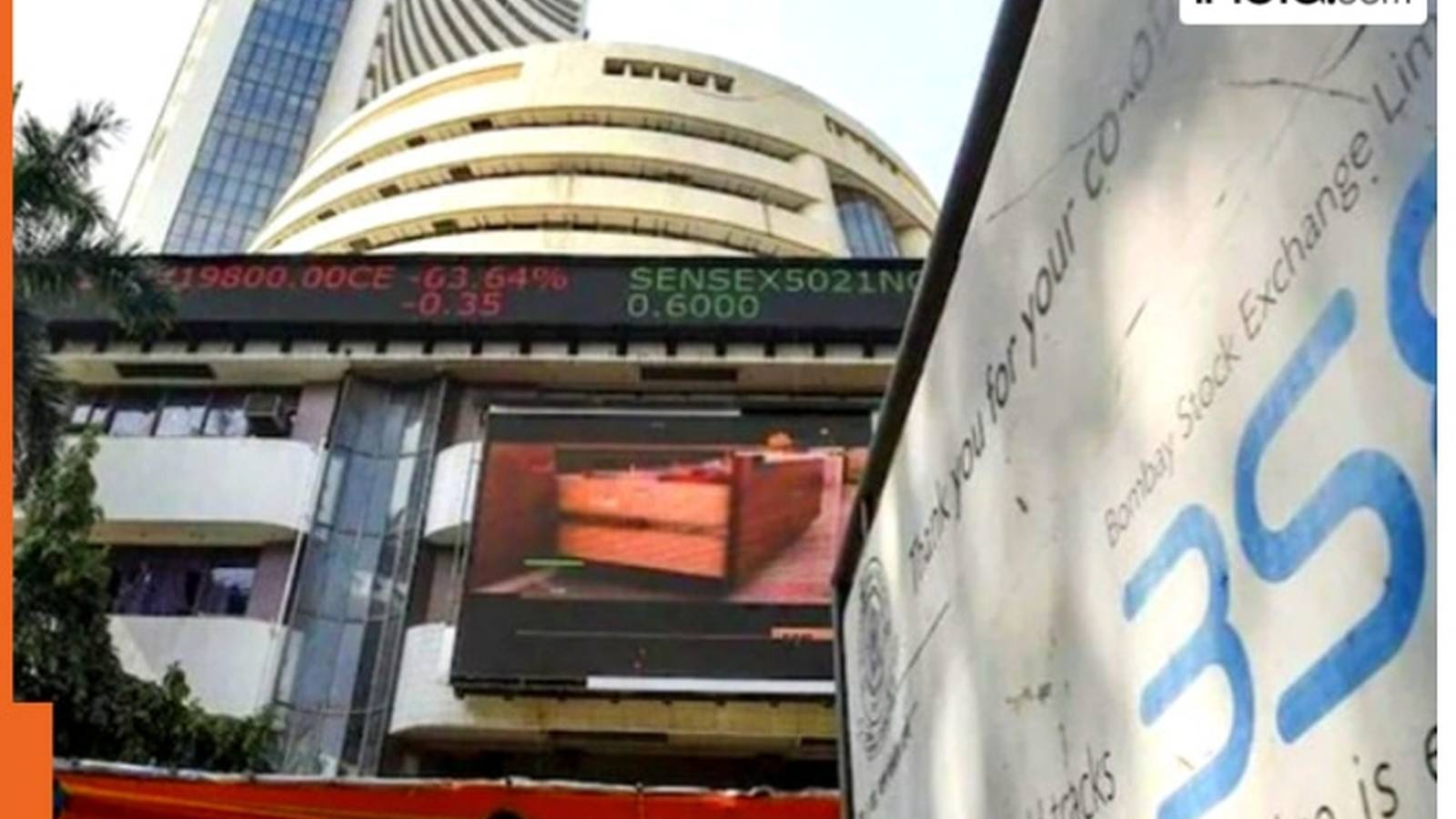
MUMBAI (Azat TV) – On March 26, 2026, India’s leading stock exchanges, the National Stock Exchange (NSE) and the Bombay Stock Exchange (BSE), remained closed in observance of Ram Navami, a major Hindu festival. This closure is part of the official 2026 holiday calendar, marking one of 16 scheduled market holidays for the year. The suspension of trading on this day carries immediate implications for market liquidity and particularly for the weekly derivative contracts set to expire this week.
Ram Navami Market Holiday: NSE and BSE Closure Details
Ram Navami commemorates the birth of Lord Ram, an important religious observance widely celebrated across India. In respect of this festival, both NSE and BSE halted all trading activities on March 26, 2026. The stock market holiday calendar published by the NSE confirms this closure along with other upcoming holidays such as Mahavir Jayanti on March 31, Good Friday on April 3, and Babasaheb Ambedkar Jayanti on April 14.
This planned market pause follows a pattern of strategic breaks throughout the year, designed to accommodate national holidays and religious observances. Traders and investors had to adjust their schedules accordingly, as the closure halted equity, currency, and debt market operations for the day.
Impact on Weekly Derivative Expiries and Market Liquidity
The Ram Navami holiday affects the timing and dynamics of weekly derivative expiries, which are critical for price discovery and risk management in Indian markets. With the market closed, the expiry process for certain contracts is effectively shifted, compressing trading activity into fewer days and potentially increasing volatility on the following trading session.
Market participants often face challenges in managing positions when such holidays interrupt the usual weekly cycle. The absence of trading reduces liquidity temporarily, which can widen bid-ask spreads and impact short-term price movements. Investors and brokers closely monitor these effects, especially during periods of heightened geopolitical or economic uncertainty.
Upcoming Stock Market Holidays in 2026 and Broader Trading Calendar
Following Ram Navami, the NSE and BSE will close for several other key holidays: Mahavir Jayanti (March 31), Good Friday (April 3), Babasaheb Ambedkar Jayanti (April 14), Maharashtra Day (May 1), and Eid al-Adha (May 28), among others. These scheduled breaks form part of a 16-holiday framework that shapes the rhythm of market activity throughout the year.
Investors planning their trading strategies for 2026 should incorporate these dates to optimize portfolio adjustments and manage risk exposure effectively. The strategic placement of holidays like Ram Navami within the trading calendar underlines the importance of non-trading days in shaping market behavior and liquidity flow.
The closure of NSE and BSE on Ram Navami 2026 exemplifies how religious and cultural observances are integrated into India’s financial market calendar, influencing trading patterns and liquidity, particularly around critical derivative expiry periods. These scheduled breaks require market participants to adapt quickly, highlighting the interplay between cultural traditions and financial market operations.