
Quick Read
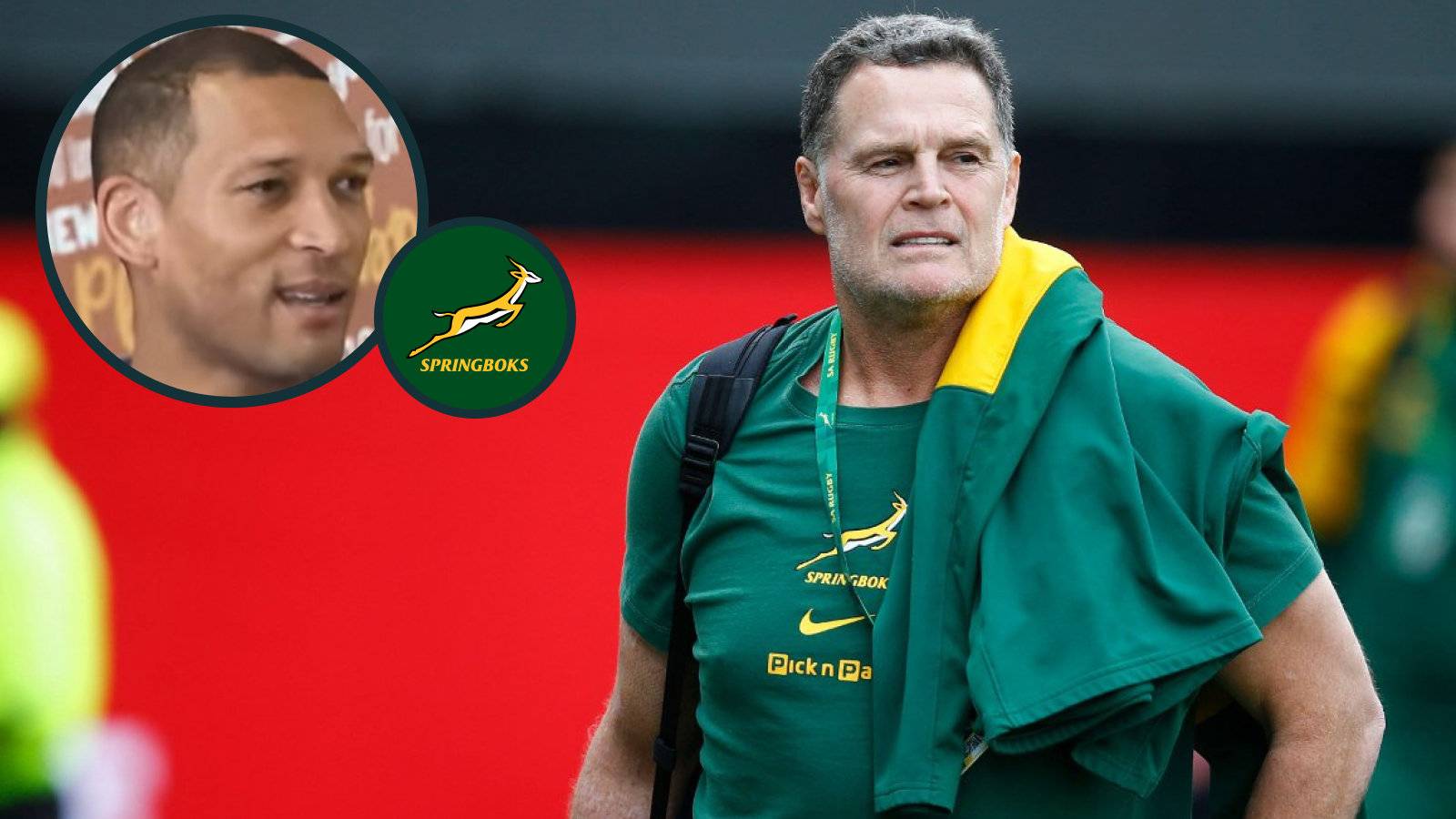
- Former Springbok Gio Aplon criticized the extension, citing concerns about modern player management and tactical stagnation.
- The long-term deal creates a potential coaching bottleneck, limiting career advancement for top-tier provincial coaches.
- While Erasmus is secured through 2031, the status of his assistant coaching staff remains tied to the 2027 cycle, creating structural uncertainty.
JOHANNESBURG (Azat TV) – The long-term security provided by SA Rugby to head coach Rassie Erasmus has shifted from a celebrated stability play to a point of intense scrutiny. As of March 23, 2026, the initial positive reception surrounding the extension of Erasmus’ contract through the 2031 Rugby World Cup in the United States has given way to growing concerns regarding the stagnation of South Africa’s coaching pipeline and the potential for a generational disconnect.
The Coaching Succession Bottleneck
Former Springbok fullback Gio Aplon has emerged as a vocal critic of the decision, arguing that committing to a single head coach for such an extended period creates a systemic bottleneck. While acknowledging Erasmus’ status as the premier coach in world rugby following consecutive World Cup titles in 2019 and 2023, Aplon suggested that the sport’s modern ecosystem requires more frequent turnover to prevent player fatigue and tactical staleness.
“I wouldn’t have signed him post-2027,” Aplon stated on the Behind the Ruck podcast. “I’m very cautious with 2031. We haven’t even played this World Cup yet and we’ve given the job away.” The concern centers on the lack of a clear path for emerging local coaches, such as John Dobson and Johan Ackermann, who currently lead successful provincial sides but face limited upward mobility within the national structure.
The 2031 Strategic Horizon
The 2031 World Cup remains the ultimate prize for SA Rugby, yet the focus on long-term continuity has inadvertently highlighted a lack of clarity regarding the supporting staff. While Erasmus successfully negotiated his own extension, the contracts of his core assistant coaches remain tied to the 2027 cycle. SA Rugby has indicated that updates on the coaching staff will follow, but the delay has contributed to a sense of uncertainty regarding the transition toward the next generation of leadership.
- Gio Aplon argues that long-term coaching stability may alienate a new generation of players accustomed to evolving tactical environments.
- The current structure creates a perceived bottleneck, limiting opportunities for high-performing provincial coaches to ascend to the national level.
- Uncertainty persists regarding the assistant coaching staff, whose contracts currently expire after the 2027 World Cup.
The criticism underscores a fundamental tension in elite sports management: the balance between leveraging a proven, world-class leader and ensuring the organizational agility required to adapt to a changing player demographic and the inevitable need for fresh tactical perspectives.