
Quick Read
- Ravens won 23-16 over the Browns with a season-defining fake tush push play.
- Mark Andrews scored his first career rushing TD with a 35-yard bootleg.
- Offensive coordinator Todd Monken was praised for creative play-calling.
- Baltimore’s defense dominated, allowing just 187 yards and zero second-half points.
- The win marks the Ravens’ fourth straight, bringing them back to .500.
How the Ravens’ ‘Fake Tush Push’ Became the NFL’s Play of the Season
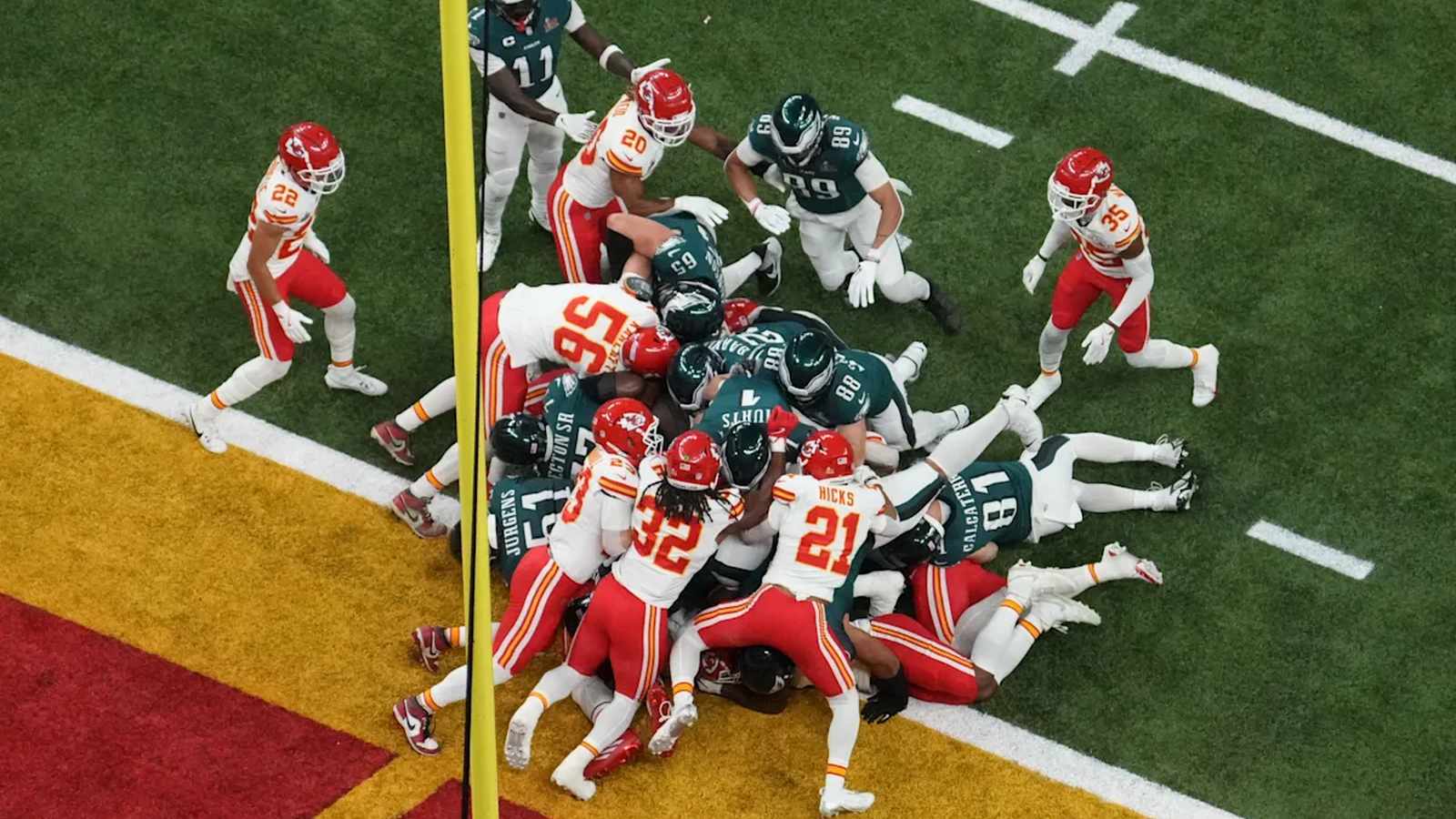
In a league obsessed with innovation and inches, the Baltimore Ravens found themselves at the crossroads of desperation and creativity in Cleveland. Facing fourth-and-one on the Browns’ 35-yard line, tied late in the game, conventional wisdom would dictate a quarterback sneak—the so-called ‘tush push’ that has swept through the NFL as the short-yardage play du jour. But the Ravens, staring down a season that had teetered between hope and collapse, opted for something entirely unexpected.
Mark Andrews, the tight end known more for his hands than his feet, lined up under center. The defense braced for impact, expecting Andrews to surge forward behind a wall of muscle. Instead, he spun right, faked the pitch, and sprinted 35 yards down the sideline for a game-breaking touchdown. The play—dubbed ‘Hurricane’ by Offensive Coordinator Todd Monken—was as much sleight of hand as brute force, and it instantly became the talk of Week 11.
Gutsy Play-Calling and the Art of Deception
Pundits from The Athletic to Baltimore Banner lauded Monken’s creativity and guts. The Ravens had struggled all season in short-yardage situations, their offense sometimes predictable, often inefficient. Sunday’s game, played in blustery Cleveland, was no exception: three turnovers, including two Lamar Jackson interceptions, and a muffed punt threatened to derail Baltimore’s momentum. But Monken’s willingness to dig deep into his playbook, practicing the fake just days before, paid off when it mattered most.
“Schematically, having a play on a critical down is something we are always paying attention to,” Andrews explained after the game, crediting his blockers for sealing the edge and the coaching staff for trusting a trick at such a pivotal moment. The touchdown wasn’t just another highlight—it was Andrews’ first career rushing score, coming in a game where he also broke the franchise record for receiving yards. As Sports Illustrated noted, the victory wasn’t pretty, but it was exactly what the Ravens needed: resilience, grit, and a willingness to take calculated risks.
Defensive Dominance: Orr’s Unsung Masterpiece
While Andrews’ dash stole headlines, Defensive Coordinator Zach Orr crafted a masterpiece on the other side of the ball. The Ravens defense suffocated the Browns, allowing just 187 total yards and shutting them out in the second half. All-Pro safety Kyle Hamilton was everywhere—nine tackles, a sack, three tackles for loss, two pass deflections, and a forced fumble. Cornerback Chidobe Awuzie, stepping in for the injured Marlon Humphrey, broke up a critical end-zone pass on Cleveland’s final drive, sealing the win.
“It wasn’t pretty,” wrote Russell Street Report, “but under those conditions, in that stadium, against that team, it was never going to be. The ultimate ‘survive and advance’ game.” The Ravens overcame a slew of penalties and lost the turnover battle, but their ability to clamp down when it mattered most—especially in the red zone—showed a level of grit that has defined their four-game winning streak.
Tush Push: From Trend to Tactical Innovation
The ‘tush push’—a play popularized and perfected by teams like the Philadelphia Eagles—has become both a source of controversy and innovation in the NFL. Some see it as an unfair advantage, others as the logical evolution of short-yardage football. The Ravens’ fake, however, takes the conversation a step further. By disguising their intentions, Baltimore forced the Browns to crowd the middle, only to exploit the edge. The result wasn’t just a touchdown; it was a lesson in how deception and adaptability can trump brute strength.
The league has debated the merits of the ‘tush push’ for years, with teams voting to keep it legal in 2025 despite calls for reform. Plays like Monken’s Hurricane are proof that creativity is alive and well in the NFL, pushing coaches to rethink even the most basic strategies. As Baltimore Sun columnist Josh Tolentino put it, “The Ravens might not be winning with style points or full four-quarter performances yet, but they’ve established an important sense of momentum as they enter the final third of the regular season.”
Resilience Beyond the Highlight Reel
For Baltimore, the win was more than a trick play—it was a testament to a team clawing its way back from a 1-5 start. The sequence will be remembered as the moment the Ravens refused to go quietly, using both resilience and ingenuity to keep their season alive. It’s a story that resonates beyond the stats: a team, battered and inconsistent, finding new ways to win when the stakes are highest.
“If the Ravens pull off the remarkable season turnaround they’re capable of making, no one will care how ugly their Week 11 win in Cleveland looked,” wrote Paul Mancano of Baltimore Banner. “Beggars can’t be choosers, and the Ravens just need wins, no matter how they come.”
As the dust settles, the fake tush push stands as a symbol of what makes football compelling: the constant tension between expectation and surprise, muscle and mind, routine and revolution.
Analysis: The Ravens’ fake tush push was more than a clever play—it was a strategic inflection point that showcased the power of bold coaching in a league where innovation is often the difference between surviving and thriving. With defenses now forced to respect the possibility of deception, Baltimore has redefined how teams approach fourth-and-short, turning a once-predictable moment into a canvas for creativity and competitive advantage.