
Quick Read
- Previously recalled Genova tuna products were accidentally shipped to retailers in nine U.S. states.
- The products were initially recalled in February 2025 due to a packaging defect.
- The defect could lead to contamination with Clostridium botulinum, causing potentially fatal botulism.
- Affected states include Illinois, Indiana, Kentucky, Michigan, Ohio, Wisconsin, Maryland, Virginia, and California.
- Consumers are advised to discard or return the tuna immediately, even if it appears normal.
Previously recalled Genova Yellowfin Tuna products have been inadvertently distributed to retailers in nine U.S. states, prompting an urgent consumer warning from Tri-Union Seafoods, the manufacturer. The accidental shipment of these quarantined products, initially recalled in February 2025 due to a packaging defect, raises significant public health concerns as they pose a risk of contamination with Clostridium botulinum, a bacterium that can cause a potentially fatal form of food poisoning known as botulism. The U.S. Food and Drug Administration (FDA) issued a recall notice on January 19, 2026, after Tri-Union Seafoods announced the distribution error on January 16, 2026, emphasizing the critical need for consumers to identify and avoid the affected tuna.
The Inadvertent Distribution and Affected Products
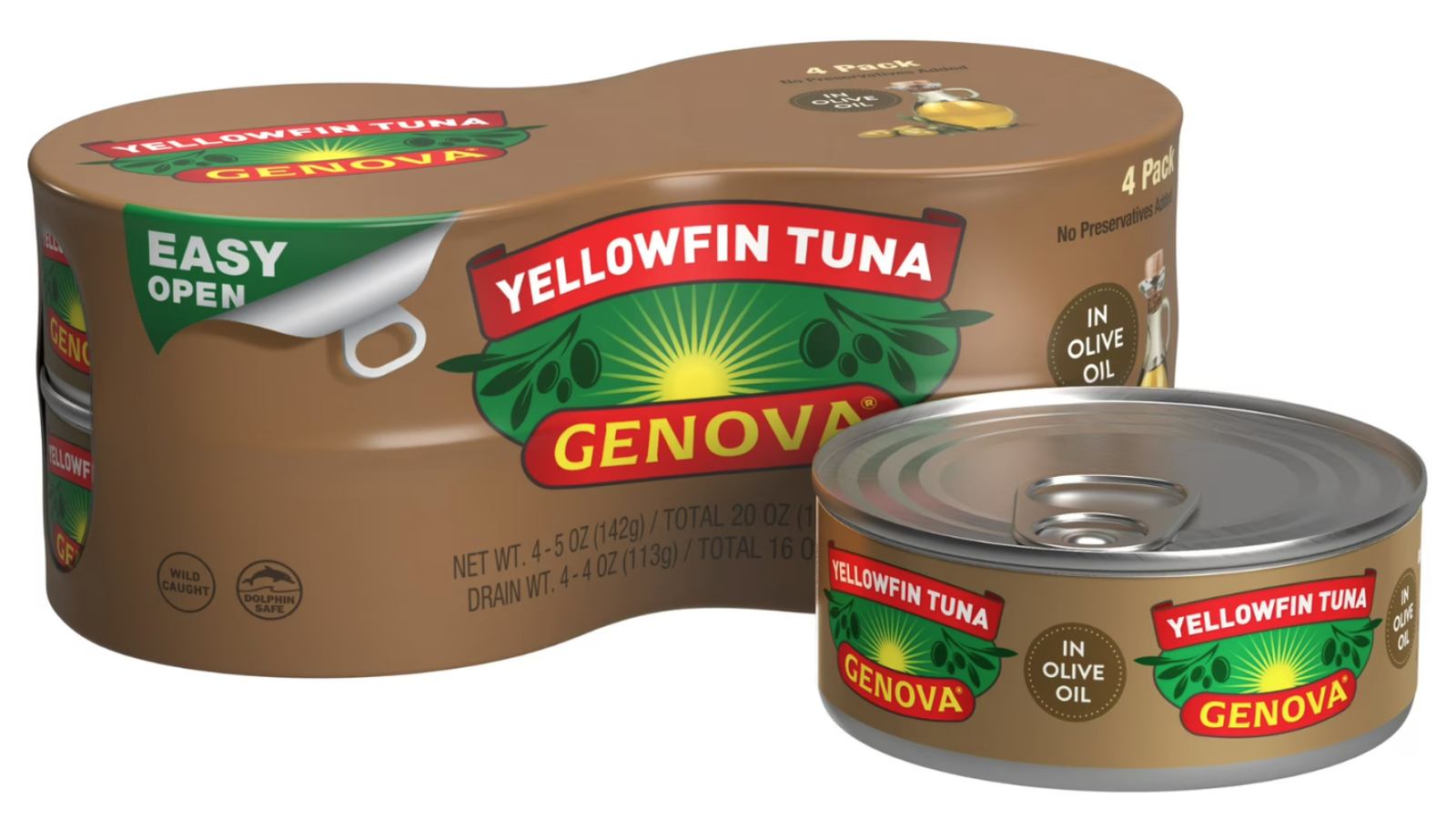
Tri-Union Seafoods confirmed that a third-party distributor mistakenly released “quarantined product” to stores across Illinois, Indiana, Kentucky, Michigan, Ohio, Wisconsin, Maryland, Virginia, and California. The products involved in this latest alert are specific Genova Yellowfin Tuna items that were part of a broader recall initiated nearly a year prior. The recalled items include 4-packs of Genova Yellowfin Tuna in Olive Oil, identified by UPC 4800073265, can codes S84N D2L or S84N D3L, and a best-by date of January 2028. Additionally, single cans of Genova Yellowfin Tuna in Extra Virgin Olive Oil with Sea Salt, bearing UPC 4800013275, can code S88N D1M, and a January 2028 best-by date, are also affected.
The initial February 2025 recall, as reported by People.com, was prompted by a manufacturing defect on the pull tab of the cans. This flaw could compromise the seal of the product over time, creating an anaerobic (low-oxygen) environment conducive to the growth of Clostridium botulinum. While the initial recall encompassed several brands, including Van Camp’s, Trader Joe’s, and H-E-B’s in-house labels, the updated notice regarding the accidental distribution pertains exclusively to Genova products, narrowing the scope of the immediate concern but underscoring a persistent supply chain vulnerability.
Understanding the Botulism Risk
The primary concern with the inadvertently distributed tuna is the potential for botulism, a rare but severe and potentially fatal form of food poisoning. According to the FDA, Clostridium botulinum is a rod-shaped, spore-forming bacterium that thrives in low-oxygen conditions, such as those found in improperly sealed or sterilized canned foods. The toxins produced by this bacterium, if ingested, can lead to a range of debilitating symptoms, including difficulty breathing, muscle paralysis, and even death. The Centers for Disease Control (CDC) warns that botulism can manifest with symptoms such as double vision, blurred vision, drooping eyelids, slurred speech, difficulty swallowing, and muscle weakness. These symptoms can appear anywhere from a few hours to several days after consuming contaminated food.
Crucially, consumers are advised not to rely on sensory cues to determine the safety of the product. The FDA’s recall notice explicitly states that the affected tuna should not be consumed even if it ‘does not look or smell spoiled.’ This is a critical point because botulinum toxins do not typically alter the appearance, taste, or odor of food, making visual or olfactory inspection unreliable for detecting contamination. While no illnesses or deaths have been reported in connection with this specific inadvertent distribution to date, the potential severity of botulism necessitates immediate and cautious action from consumers.
Retailers and Consumer Guidance
The recalled tuna was distributed to a specific list of major retailers across the nine affected states. Meijer stores in Illinois, Indiana, Kentucky, Michigan, Ohio, and Wisconsin received shipments of the products. In the Mid-Atlantic region, Giant Foods stores in Maryland and Virginia were impacted. On the West Coast, Safeway, Albertsons, Vons, and Pavilions stores in California also received the inadvertently released tuna. Consumers who have purchased canned tuna from these retailers in the specified states are strongly urged to check their pantries and refrigerators for the recalled Genova products.
The recommended course of action for consumers who possess the affected tuna is unequivocal: discard the product immediately or return it to the place of purchase for a full refund. Tri-Union Seafoods has also provided direct contact information for consumers seeking further assistance. Customers can reach the company via email at support@thaiunionhelp.zendesk.com or by phone at (833) 374-0171. The company is offering retrieval kits and coupons for replacement products, aiming to facilitate the safe removal of the hazardous items from consumer households. Furthermore, individuals who may have consumed the recalled tuna and begin to feel unwell are advised to seek immediate medical attention, as prompt treatment is crucial for managing botulism.
Company Response and Broader Context
The incident highlights a significant lapse in supply chain management, where a ‘quarantined product’ intended for destruction or secure holding was instead released into the consumer market. This type of error, while rare, underscores the complexities and potential vulnerabilities within large-scale food distribution networks. The initial recall in February 2025 was a preventative measure, indicating that the company was aware of the potential defect. The subsequent accidental distribution nearly a year later suggests a breakdown in the protocols designed to prevent such a scenario, raising questions about the effectiveness of internal controls and third-party oversight.
The broader context of food safety recalls often involves a delicate balance between rapid communication and thorough investigation. In this case, the immediate public warning by Tri-Union Seafoods and the FDA’s prompt notification are critical steps in mitigating potential harm. However, the recurrence of a recall for the same product, albeit due to an accidental shipment, emphasizes the ongoing challenges faced by food manufacturers in ensuring product integrity from production to consumer purchase. Such incidents serve as stark reminders of the continuous vigilance required at every stage of the food supply chain to protect public health against potentially deadly contaminants.
The inadvertent distribution of previously recalled tuna, carrying a risk of botulism, underscores a critical failure in supply chain control and highlights the paramount importance of robust safety protocols to prevent hazardous products from reaching consumers.