
Quick Read
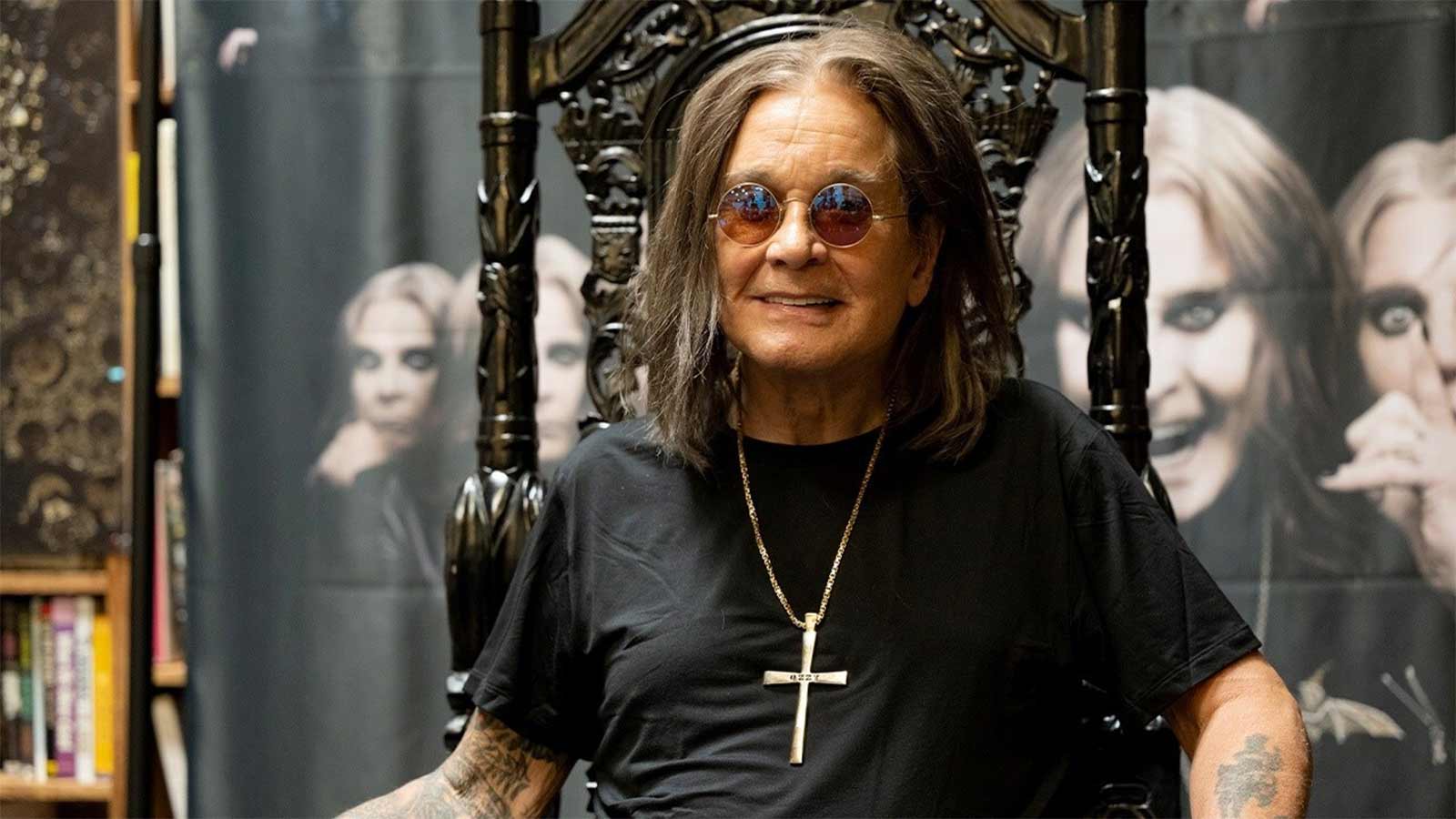
- Ozzy Osbourne, legendary Black Sabbath frontman, passed away at 76 on July 22, 2025.
- His final performance on July 5 in Birmingham reunited him with his Black Sabbath bandmates.
- Osbourne’s influence on heavy metal and popular culture spanned six decades.
- Global tributes highlight his role as a rock icon and cultural pioneer.
- Despite health challenges, he remained a resilient figure until his final days.
On July 22, 2025, the world bid farewell to Ozzy Osbourne, the legendary frontman of Black Sabbath and a pioneer of heavy metal music. Osbourne passed away at the age of 76, surrounded by his family. The announcement, shared by his wife Sharon and their children, described their loss as immeasurable, requesting privacy during this difficult time. His final performance, a sold-out charity concert in Birmingham on July 5, served as a fitting farewell to fans and a celebration of his indelible legacy.
A Career That Defined Heavy Metal
Ozzy Osbourne’s journey to stardom began in Birmingham, England, where he co-founded Black Sabbath in 1969. The band’s dark, brooding sound laid the foundation for the heavy metal genre. Albums like Paranoid (1970) and Master of Reality (1971) cemented their status as trailblazers. Osbourne’s distinctive high-pitched voice, coupled with Tony Iommi’s iconic guitar riffs, created a soundscape that was both haunting and revolutionary.
Despite his success with Black Sabbath, Osbourne’s tenure with the band ended in 1979, largely due to his struggles with substance abuse. However, this marked the beginning of an equally successful solo career. His debut album, Blizzard of Ozz (1980), featuring hits like “Crazy Train” and “Mr. Crowley,” showcased his ability to evolve and innovate. His wife Sharon, who became his manager, played a pivotal role in steering his career during this period.
Challenges and Triumphs
Osbourne’s life was marked by both extraordinary accomplishments and significant challenges. His infamous antics, such as biting the head off a bat during a live performance in 1982, became the stuff of rock legend. Yet, his personal struggles with addiction and health issues were no less public. Diagnosed with Parkinson’s disease in 2020, Osbourne faced his health battles with a resilience that inspired millions.
In an interview with The Guardian, Osbourne reflected on his tumultuous past, crediting Sharon for saving his life during his darkest periods. “If it wasn’t for Sharon, I’d be long dead,” he admitted. Their relationship, though tumultuous, remained a cornerstone of his life and career.
A Farewell to Fans
Earlier this month, Osbourne took the stage one last time in his hometown of Birmingham. The “Back to the Beginning” concert reunited him with his Black Sabbath bandmates Tony Iommi, Geezer Butler, and Bill Ward. The performance was described as “magical” by fans and critics alike. “It’s my time to go back to the beginning,” Osbourne said in a social media post ahead of the concert. “Birmingham is the true home of metal.”
According to BBC, the event was more than a concert; it was a celebration of a life devoted to music. Fans traveled from across the globe to witness the historic performance, leaving with memories of a man who transformed heavy metal into a global phenomenon.
A Global Outpouring of Tributes
The news of Osbourne’s passing prompted tributes from fans, musicians, and cultural icons worldwide. Aerosmith called him a “brother in rock,” while Metallica members credited him with transforming their lives. Billy Corgan of Smashing Pumpkins likened Osbourne’s influence to that of Frank Sinatra, describing him as a “musical pioneer.”
Fans gathered at Osbourne’s star on the Hollywood Walk of Fame, leaving flowers and notes of gratitude. “Ozzy Osbourne was more than a rock legend; he was a cultural icon,” said Ana Martinez, producer of the Walk of Fame.
Legacy Beyond Music
Osbourne’s impact extended far beyond music. His reality TV show, The Osbournes, offered a glimpse into his chaotic yet endearing family life, making him a household name. His Ozzfest music festival introduced countless fans to emerging metal bands, solidifying his role as a mentor and entrepreneur in the industry.
As Entertainment Now noted, Osbourne’s ability to connect with fans transcended his health challenges. Despite his struggles, he continued to perform and inspire, embodying the resilience and passion that defined his career.
Ozzy Osbourne’s legacy will endure, not only in the music he created but in the countless lives he touched. His voice, both haunting and electrifying, will echo in arenas and playlists for generations to come. Rest in peace, Prince of Darkness.