
Quick Read
- Renia Lewis, a 28-year-old woman, was found behind a hidden wall in a Vallejo home after being reported missing.
- The discovery was made possible through the activation of the Ebony Alert, a system designed to locate missing Black women and children.
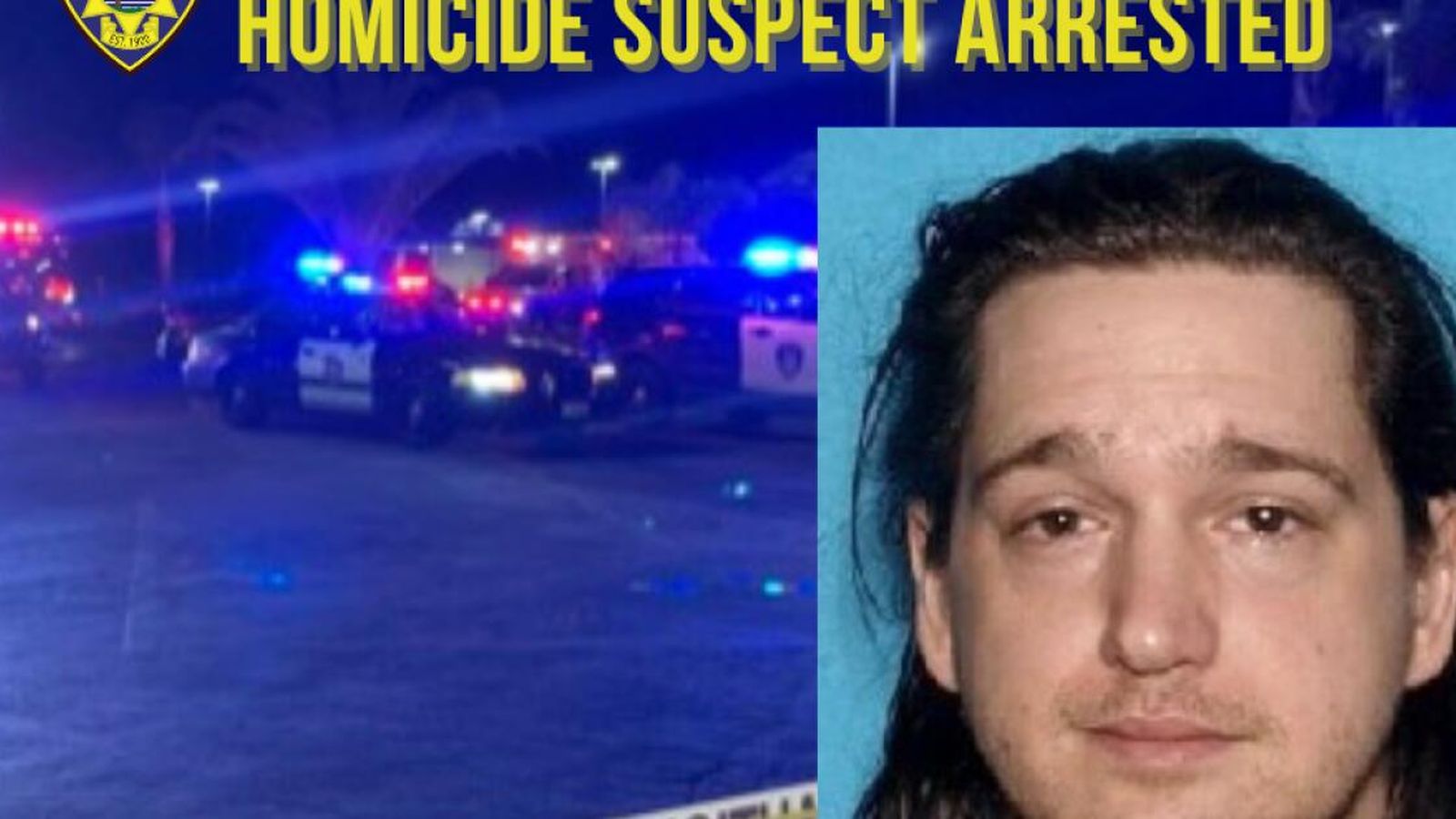
- Douglas Irwin Shaw, 41, was arrested and confessed to the crime, but the motive remains unclear.
- The case highlights the challenges surrounding violence against women and the importance of targeted alert systems.
The tragic disappearance and subsequent discovery of Renia Lewis, a 28-year-old woman, has sparked widespread attention and sorrow. Found hidden behind a secret wall in a Vallejo, California home, her story serves as a poignant reminder of the importance of justice and the enduring impact of violence on families and communities. This case not only sheds light on the dangers women face but also highlights the critical role of innovative alert systems in addressing disappearances.
Who Was Renia Lewis?
Renia Lewis, described as a vibrant and beloved individual by those close to her, went missing on a Friday evening. Her disappearance triggered a wave of concern among friends, family, and the community. Known for her warm personality and strong connections to her loved ones, her sudden vanishing left many in shock and disbelief.
The investigation into her case began when she was reported missing on a Sunday, just days after she was last seen. Despite initial efforts by the authorities, her whereabouts remained a mystery. However, the use of a newly implemented alert system, the Ebony Alert, designed to locate missing Black women and children, played a crucial role in intensifying the search efforts.
The Chilling Discovery
Law enforcement’s investigation led them to a residence on 14th Street in Vallejo, a city located approximately 30 miles northeast of San Francisco. The initial search of the home did not yield any results. However, as the investigation progressed, new evidence emerged, prompting officers to return to the house with a search warrant.
On their second search, authorities discovered a hidden entryway into the attic, where they found Renia Lewis’s remains. The concealed location of her body added a chilling layer to the case, raising questions about the circumstances surrounding her death. The tragic discovery underscored the profound need for comprehensive investigative measures in missing persons cases.
The Role of the Ebony Alert
The use of the Ebony Alert was a pivotal moment in the search for Renia Lewis. This alert system, tailored specifically to address the disappearances of Black women and children, aims to bring timely attention to cases that may otherwise be overlooked. By activating the alert, law enforcement was able to mobilize resources and gather critical information that ultimately led to the discovery of Renia’s whereabouts.
The implementation of such targeted alert systems highlights the importance of addressing systemic inequities in the handling of missing persons cases. It also reflects a growing recognition of the need for tailored approaches to ensure that all individuals, regardless of their background, receive the attention and support they deserve in times of crisis.
The Arrest and Ongoing Investigation
Following the discovery of Renia Lewis’s body, authorities arrested 41-year-old Douglas Irwin Shaw as a suspect in her murder. Shaw, who reportedly confessed to the crime, was taken into custody and is being held without bail at the Solano County Jail. The investigation into the motive behind the crime and any potential connections between Shaw and Lewis is ongoing.
Law enforcement officials, including Vallejo Police Chief Jason Ta, have expressed their condolences to Lewis’s family and condemned the senseless act of violence. The case has left the community grappling with grief and seeking answers about how such a tragedy could occur.
Impact on the Community
The loss of Renia Lewis has had a profound impact on her family, friends, and the broader community. Her mother, Teri Lewis, expressed her heartbreak and disbelief, mourning the loss of her daughter and condemning the actions of the suspect. Her words echo the pain and anguish felt by those who knew and loved Renia.
This case has also sparked conversations about the broader societal issues surrounding violence against women, particularly women of color. It has highlighted the need for continued efforts to address these issues and ensure that justice is served for all victims of violence.
The case of Renia Lewis is a stark reminder of the fragility of life and the importance of community vigilance in times of crisis. It underscores the need for systemic changes to address the root causes of violence and provide support for those affected. As her family and community mourn her loss, her story serves as a call to action to prevent such tragedies from occurring in the future.