
Quick Read
- Illinois Congresswoman Delia Ramirez declared, ‘I’m a proud Guatemalan before I’m an American,’ sparking backlash.
- Critics, including MAGA supporters, called for her deportation, questioning her loyalty.
- Ramirez defended her remarks, citing double standards for ethnic pride in American politics.
- Historical figures and quotes were invoked to emphasize undivided national loyalty.
- The controversy reignited debates on immigration, identity, and patriotism.
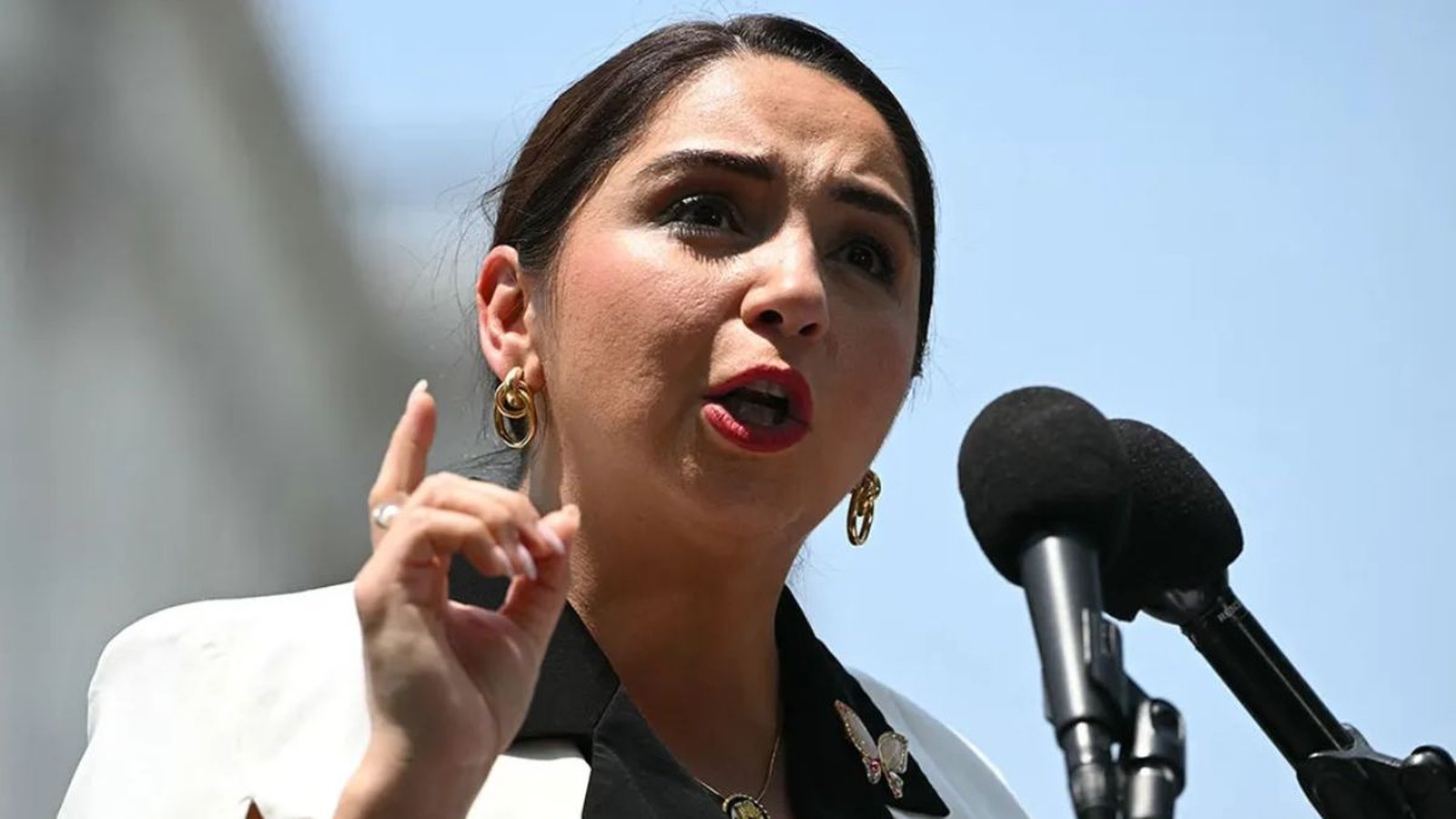
Illinois Democratic Congresswoman Delia Ramirez has found herself at the center of a heated political storm following her controversial statement at the second annual Panamerican Congress held in Mexico City. Speaking in Spanish during the summit, Ramirez declared, “I’m a proud Guatemalan before I’m an American.” The remark quickly drew ire from conservative critics, particularly MAGA supporters, who took to social media to question her loyalty and demand her deportation.
Who is Delia Ramirez?
Delia Ramirez, a rising star in the Democratic Party, represents Illinois’s 3rd congressional district, a position she has held since 2023. Born in Chicago to undocumented Guatemalan immigrant parents, Ramirez has long been an advocate for immigration reform, affordable housing, and social justice. Her personal story is deeply intertwined with her political mission. Married to Boris Hernandez, a former DACA recipient, she is the only member of Congress in a mixed-status marriage. Ramirez’s identity as a Guatemalan-American is central to her work, often emphasizing her roots and the struggles of immigrant communities.
Before her congressional career, Ramirez made history as the first Guatemalan-American elected to the Illinois General Assembly. Her journey from Chicago’s immigrant neighborhoods to the halls of Congress symbolizes the aspirations of many in America’s immigrant communities. However, her latest remarks have sparked a debate about the balance between honoring one’s heritage and embracing national identity.
The Controversial Remark and Its Fallout
Ramirez’s statement at the Mexico City summit, where progressive lawmakers gathered to discuss pressing issues like climate change, poverty, and political violence, quickly became a flashpoint. Critics accused her of prioritizing her Guatemalan heritage over her American identity, with MAGA supporters labeling her an “anchor baby” and calling for her denaturalization and deportation. Social media was flooded with vitriolic comments, with one user stating, “Revoke her passport, denaturalize her and deport her to Guatemala.”
Ramirez defended her statement, arguing that there is a double standard in how ethnic pride is perceived in America. “No one questions when my white colleagues identify as Irish-American, Italian-American, or Ukrainian-American to honor their ancestry,” she said in a press release. Ramirez insisted that celebrating her Guatemalan roots strengthens her commitment to America, describing herself as “both Chapina and American” and “from both Guatemala and Chicago, Illinois.”
Historical Context and Political Implications
The controversy surrounding Ramirez touches on broader debates about identity and patriotism in America. Critics, including members of the Republican Party, have invoked historical figures like Alexander Hamilton and Theodore Roosevelt to underscore the importance of undivided national loyalty. Roosevelt’s famous quote, “There is no room in this country for hyphenated Americanism,” was shared by the Department of Homeland Security in response to Ramirez’s remarks.
Ramirez’s critics argue that divided loyalties pose a danger to the republic, citing the founders’ concerns about foreign influence in government. During the Constitutional Convention of 1787, Elbridge Gerry warned that “foreign powers will intermeddle in our affairs” if immigrants with divided allegiances hold positions of authority. These historical references have fueled the narrative that Ramirez’s statement undermines her oath of office and her responsibilities as a member of Congress.
Ramirez’s Defense and Broader Implications
In response to the backlash, Ramirez issued a lengthy statement condemning the attacks as “a weak attempt to silence my dissent and invalidate my patriotic criticism of the nativist, white supremacist authoritarians in government.” She emphasized that her pride in her heritage does not diminish her love for America but rather enriches it. Ramirez framed herself as a representative of America’s multicultural democracy, stating, “We are the living and breathing realization of the idea of America – a place where a multicultural, multiracial democracy can prosper.”
The incident has reignited debates about immigration, assimilation, and the role of heritage in American politics. As a member of the House Homeland Security Committee, Ramirez’s position has also come under scrutiny, with critics questioning her ability to prioritize America’s security interests.
The controversy surrounding Delia Ramirez serves as a microcosm of the ongoing tensions between identity and patriotism in America’s political landscape. It raises important questions about how leaders can honor their heritage while fulfilling their duties to a diverse and united nation.