


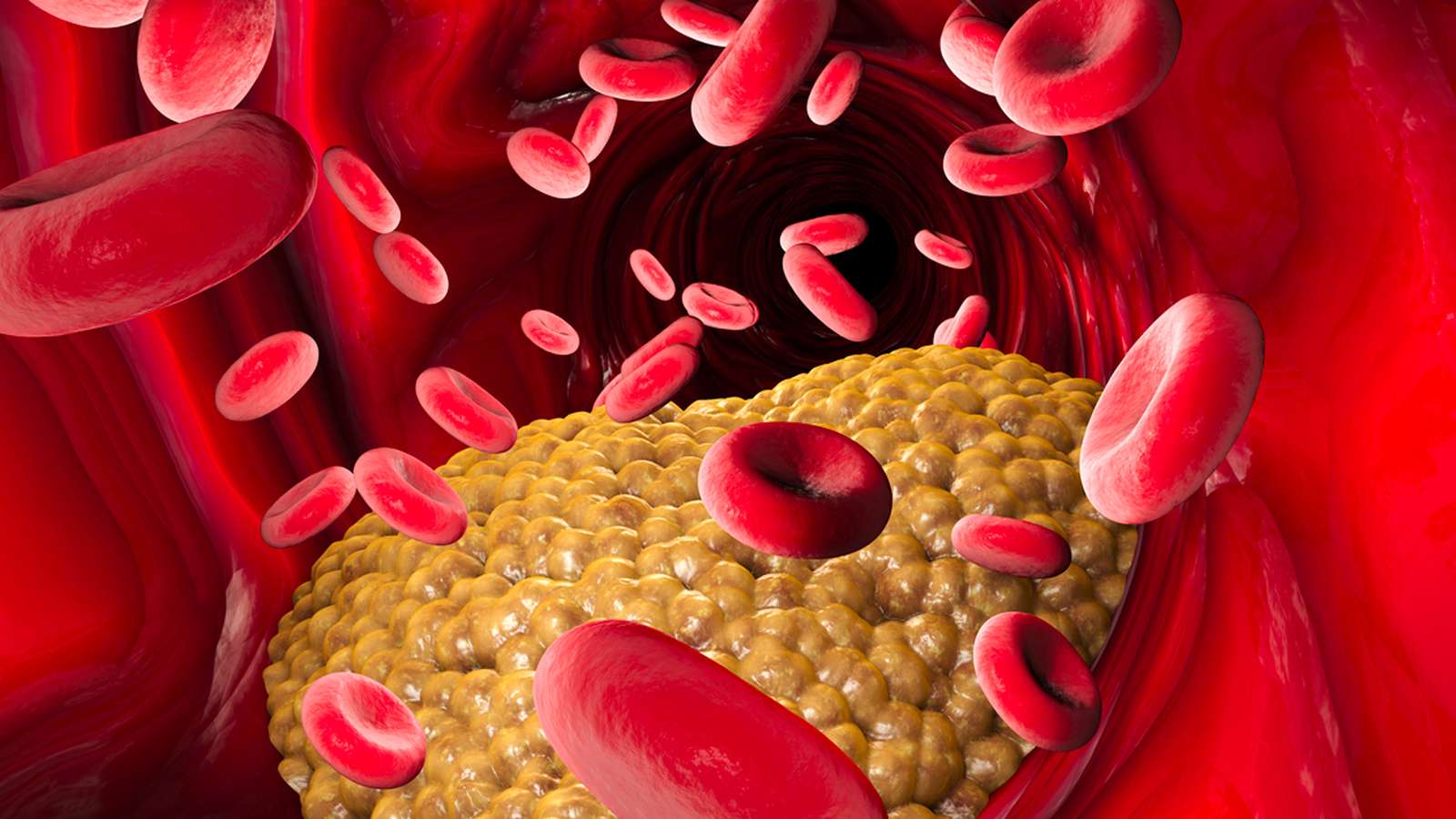
A New Frontier in Cholesterol Management
Researchers at the UC San Diego School of Medicine have identified a previously unrecognized biological pathway that explains how high-cholesterol diets impair the liver’s ability to clear harmful low-density lipoprotein (LDL) cholesterol from the bloodstream. The findings, published in the journal Nature, detail how a protein known as Ral regulates the turnover of LDL receptors, effectively acting as a molecular switch that dictates how efficiently the liver removes cholesterol.
The liver serves as the primary organ for filtering LDL cholesterol. It utilizes LDL receptors (LDLRs) on the surface of hepatocytes to capture cholesterol from circulation. The new study reveals that as dietary cholesterol intake rises, a specific signaling pathway involving the Ral protein is activated. This pathway promotes the internalization and lysosomal routing of these receptors, where they are degraded by an enzyme called cathepsin A (CTSA). Essentially, high cholesterol levels trigger a feedback mechanism that inadvertently reduces the liver’s capacity to continue clearing that same cholesterol.
Therapeutic Potential of Existing Inhibitors
The research team, led by senior author Dr. Alan Saltiel, discovered that blocking the CTSA enzyme with a selective small-molecule inhibitor could stabilize LDL receptors and significantly enhance cholesterol clearance in preclinical models. Importantly, this inhibitor had previously undergone Phase I clinical trials for the treatment of heart failure before being shelved for strategic reasons. Because its safety profile in humans has already been documented, the researchers suggest it could be fast-tracked into Phase II trials specifically for managing hypercholesterolemia.
“This new pathway we discovered is completely separate from anything that existing drugs target, so it gives us a new opportunity to fill that gap,” said Dr. Saltiel. Unlike statins or PCSK9 inhibitors, which primarily focus on existing pathways, this discovery targets the degradation process itself, potentially offering a more potent strategy for patients who do not respond adequately to current standard-of-care treatments.
Broader Context: Diet and Management
While pharmacological advancements offer hope, experts continue to emphasize the importance of dietary management. Nutritionists and cardiologists often highlight that the debate between butter and margarine—or the inclusion of cheese in a diet—should be framed through the lens of moderation and saturated fat intake. Registered dietitians like Amy Goodson and Mia Syn note that while saturated fats found in dairy can increase LDL levels, the key remains portion control and substituting sources with unsaturated fats where possible. As the medical community investigates this new molecular target, the clinical focus remains on balancing genetic predisposition with consistent lifestyle monitoring.