
Quick Read
- Resident doctors in England will strike for five days from November 14–19 after talks between the BMA and government failed.
- The walkout will disrupt both routine and emergency NHS services, with thousands of appointments and operations postponed.
- Government says resident doctors received nearly 29% pay rises over three years, but the BMA argues pay is still 20% lower than in 2008 after inflation.
- Half of second-year resident doctors reportedly struggle to find jobs, amid high competition for specialty training posts.
- NHS trusts will prioritize patient safety with contingency plans, but patients are advised to attend appointments unless notified otherwise.
Doctors Strike Again: What’s Driving the Walkout?
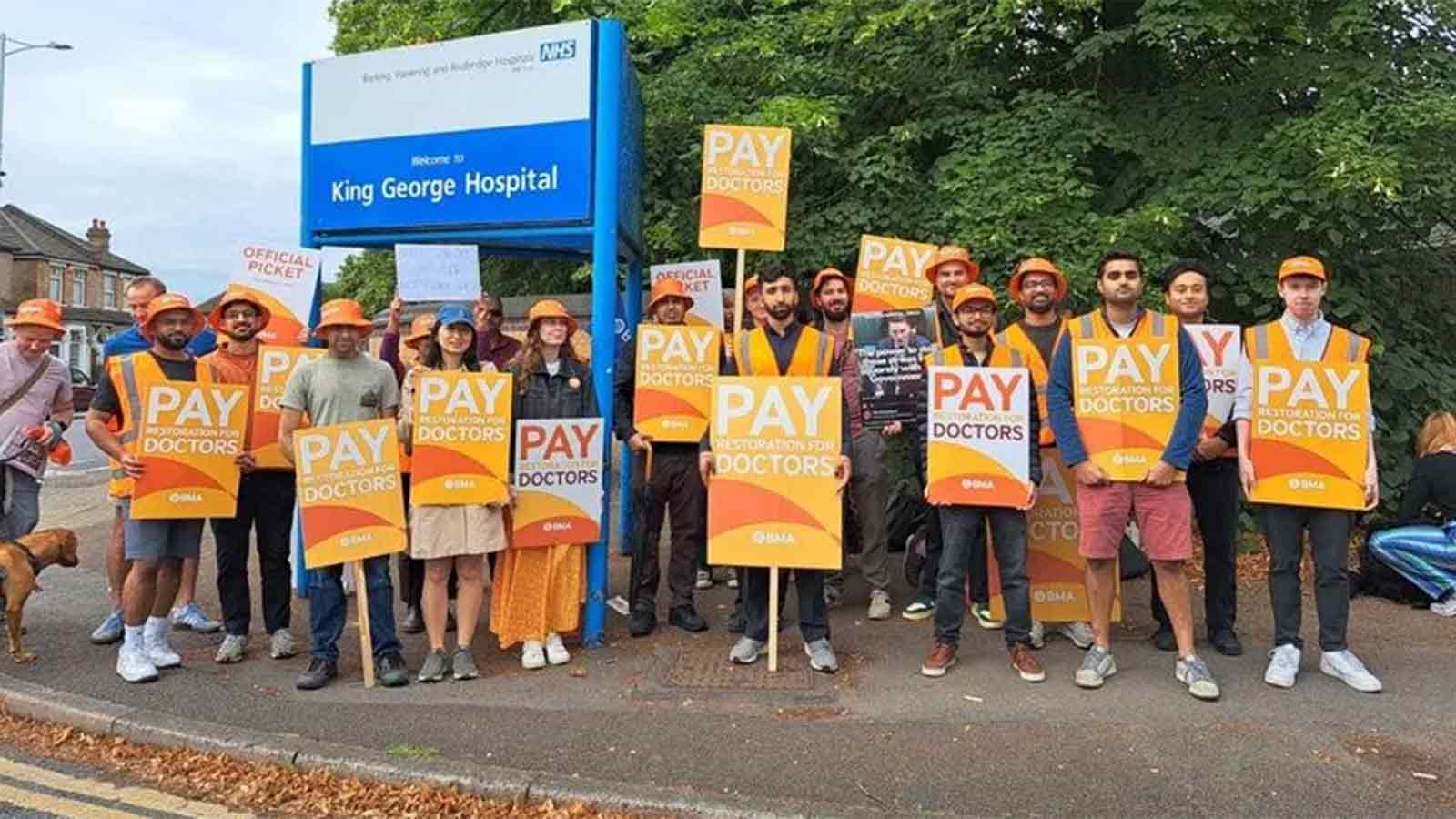
England is bracing for another wave of industrial action in its health service, as resident doctors—formerly known as junior doctors—prepare for a five-day strike from November 14 to 19. This marks the thirteenth strike in an ongoing dispute that has stretched across nearly three years, highlighting persistent tensions between medical professionals and government officials. The British Medical Association (BMA), representing nearly half of all NHS doctors, announced the walkout after negotiations with government representatives broke down once again.
The BMA’s decision is rooted in frustration over stalled talks on pay, job security, and working conditions. While the government points to a 28.9% pay increase over the past three years, the union maintains that doctors’ real wages are still about 20% lower than they were in 2008 once inflation is factored in. At the heart of the dispute is a broader concern: the future of the NHS workforce and the ability of the system to retain skilled doctors as demand for healthcare continues to climb.
How Will the Strike Affect Patients and Hospitals?
The upcoming strike is expected to disrupt both routine and emergency services across England. Resident doctors, who range from recent graduates to those with a decade of experience, will walk out of wards, clinics, and emergency departments. Senior doctors are set to provide cover, but NHS leaders warn that thousands of appointments, operations, and diagnostic tests will be postponed.
Recent strikes have already revealed the challenges of maintaining patient care during industrial action. During the July walkout, NHS managers tried to keep routine services running, but many elective procedures were delayed. According to BBC News and Sky News, these disruptions are particularly troubling as the NHS heads into winter—a season that typically strains hospital resources. Rory Deighton, from the NHS Confederation, expressed “bitter disappointment” at the breakdown in talks and emphasized that patients would ultimately bear the brunt of the strike.
Despite efforts to minimize harm, NHS executives acknowledge that every round of industrial action comes with risks. “Ultimately, despite the best efforts to plan and put contingencies in place, it is patients who bear the brunt of industrial action,” Deighton noted. The government insists that critical and life-saving services will be protected through derogations—special arrangements to keep essential care running even when staff walk out.
The Roots of the Dispute: Pay, Jobs, and Working Conditions
Behind the headlines, the strike reflects deep-seated issues within the NHS medical workforce. Many resident doctors say that recent pay rises have failed to keep up with the rising cost of living and years of wage stagnation. The BMA argues that restoring pay to 2008 levels would require an increase of nearly 29.2%, a figure the government has called “preposterous.” Health Secretary Wes Streeting maintains that, after substantial pay rises, no further movement is possible this year.
But pay is only part of the story. Resident doctors are also pushing for improvements in career progression and working conditions. The BMA highlights a shortage of specialty training posts, especially for doctors finishing their second year. According to the union’s own survey, half of second-year doctors in England are struggling to find jobs, with more than 30,000 applicants competing for just 10,000 specialty posts—many of which are also sought by international graduates.
Dr Jack Fletcher, chair of the BMA’s resident doctors committee, described the situation starkly: “We know from our own survey half of second-year doctors in England are struggling to find jobs, their skills going to waste whilst millions of patients wait endlessly for treatment, and shifts in hospitals go unfilled. This is a situation which cannot go on.” Fletcher emphasized that the union entered talks in good faith, seeking not just pay restoration but a sustainable plan to create more jobs and training places.
Political Reaction and Public Opinion
The government’s response to the strike has been unequivocal. Health Secretary Streeting called the walkout “preposterous” and accused the BMA of “reckless posturing” that diverts resources from rebuilding the NHS. Conservative leader Kemi Badenoch went further, suggesting a ban on strikes by doctors, similar to restrictions placed on the police and army, arguing that minimum service levels are essential for public safety.
Public support for the strikes appears mixed. While many sympathize with doctors’ concerns over pay and working conditions, others worry about the impact on vulnerable patients and the risk to essential services. Data from recent ballots shows that less than half of resident doctors voted in favor of strike action, and only about a third of eligible doctors actually participated. The government has pointed to these numbers as evidence of limited support for the union’s position.
Within the NHS, opinions are divided. Some hospital leaders urge both sides to return to the negotiating table, warning that repeated strikes risk undermining morale, increasing waiting lists, and driving more doctors to consider leaving the health service altogether.
What Happens Next—and What Should Patients Do?
As the November strike approaches, NHS trusts are preparing contingency plans to keep essential services running and minimize disruption. Patients with appointments scheduled during the strike will be contacted if their care needs to be rescheduled; those not contacted should attend as planned. Urgent care will remain available, with the NHS App and NHS 111 online providing advice and triage for those in need.
The NHS has established protocols to maintain patient safety during strikes, including derogations that allow critical services to operate even during industrial action. Hospital managers work closely with striking staff to identify which services must be protected, ensuring that emergencies and life-threatening cases continue to receive attention.
For patients, the advice is clear: do not delay seeking urgent medical care, and attend planned appointments unless told otherwise. Non-urgent work may be postponed, but efforts are being made to prioritize rescheduling and minimize delays.
The longer-term future of the NHS depends on resolving these disputes and addressing the underlying issues of pay, job security, and career progression. Both the government and the BMA acknowledge the need for a sustainable solution, but for now, the stalemate continues—with patients and doctors caught in the middle.
The looming strike by resident doctors is not just about pay—it’s a flashpoint in a larger struggle over the future of healthcare in England. With mounting pressures on the NHS, finding common ground between medical professionals and policymakers will be critical to safeguarding patient care and retaining the skilled workforce the health service so urgently needs.