
Quick Read
- Robert F. Kennedy Jr. announced plans to phase out synthetic food dyes in the U.S.
- The FDA will work with the food industry to eliminate six dyes by next year.
- Studies link synthetic dyes to behavioral and cognitive issues in children.
- Consumer groups push for stricter bans, while industry groups defend current practices.
- The initiative marks a significant step in addressing health concerns in the food supply.
RFK Jr. Pushes for Synthetic Food Dye Phase-Out
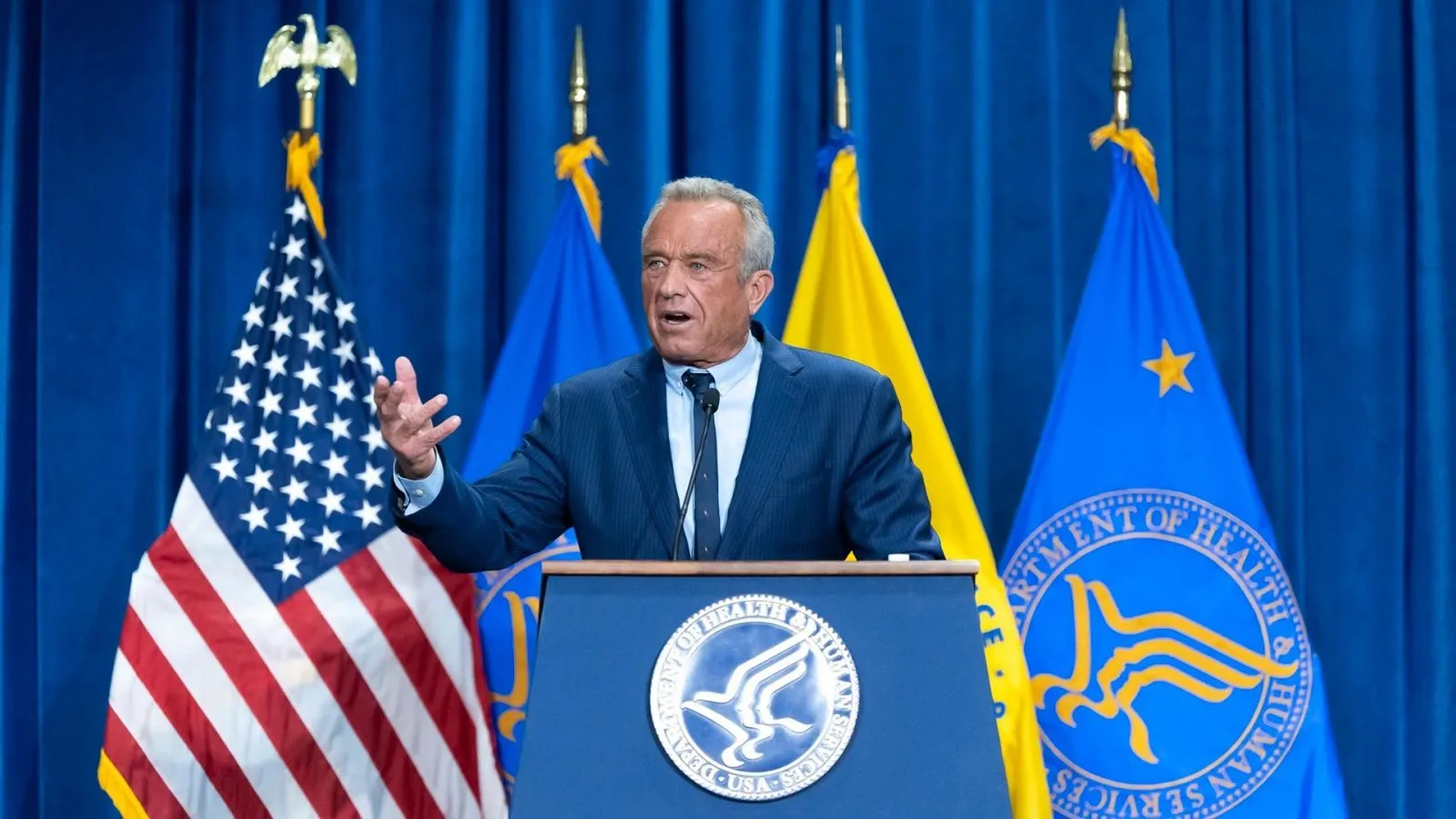
Robert F. Kennedy Jr., Health and Human Services Secretary, announced a new initiative aimed at phasing out synthetic food dyes from the U.S. food supply. Speaking at a press conference, Kennedy described the move as a critical step toward improving public health and addressing chronic disease. “We are going to get rid of the dyes and then one by one, we’re going to get rid of every ingredient and additive in food that we can legally address,” he stated.
FDA’s Role in the Transition
The Food and Drug Administration (FDA) plans to collaborate with food manufacturers to voluntarily eliminate six commonly used synthetic dyes by the end of 2024. Additionally, the agency will initiate a ban on two other colorants, Citrus Red No. 2 and Orange B, while urging companies to accelerate the removal of Red No. 3, which was previously banned. FDA Commissioner Marty Makary emphasized the importance of this initiative, citing studies that link synthetic dyes to behavioral and cognitive issues in children. “Taking petroleum-based food dyes out of the food supply is not a silver bullet, but it is one important step,” he said.
Health Risks Associated with Synthetic Dyes
Research has increasingly highlighted the potential health risks of synthetic food dyes. A 2021 review by California’s Environmental Protection Agency found evidence that these dyes could negatively impact children’s behavior. Advocacy groups like the Center for Science in the Public Interest (CSPI) have long called for stricter regulations. Thomas Galligan, a principal scientist at CSPI, expressed disappointment that the FDA opted for voluntary compliance rather than outright bans. “The FDA has the authority to ban them outright if they wanted to,” Galligan said, warning that voluntary agreements have failed in the past.
Industry Reaction
The food industry has offered mixed responses to the proposed phase-out. Melissa Hockstad, CEO of the Consumer Brands Association, defended the safety of current food additives, stating, “The ingredients used in America’s food supply have been rigorously studied and have been demonstrated to be safe.” However, she acknowledged the industry’s increasing use of alternatives to synthetic colorants. The International Association of Color Manufacturers also pushed back, arguing that global health authorities, including the FDA and the European Food Safety Authority, have found no safety concerns with synthetic dyes.
Advocates Push for Stricter Measures
Advocacy groups and public health experts argue that voluntary measures may not be sufficient to ensure compliance. Galligan from CSPI noted that the two dyes set to be banned, Citrus Red No. 2 and Orange B, are rarely used, making the bans largely symbolic. He also pointed out that previous industry promises to phase out harmful additives have often gone unfulfilled.
Next Steps and Broader Implications
In addition to phasing out synthetic dyes, the FDA announced plans to authorize four new natural color additives and partner with the National Institutes of Health to study the impact of food additives on children’s health. Kennedy framed the initiative as part of a broader effort to address rising rates of chronic diseases and childhood illnesses linked to diet. “This is existential for our country, and we have to address it,” he said.
The initiative has sparked a national conversation about the safety of food additives and the role of government regulation in ensuring public health. While some stakeholders welcome the move as a step in the right direction, others remain skeptical about its effectiveness and the industry’s willingness to comply.