
Quick Read
- Richard Darbyshire, frontman of Living In A Box, died on November 10, 2025 at age 65.
- His soulful vocals powered three UK Top 10 hits, including ‘Living In A Box’ and ‘Room In Your Heart’.
- Darbyshire preferred studio work and songwriting over fame, collaborating with artists like Lisa Stansfield.
- He ran songwriting workshops in London before his death, mentoring young musicians.
Richard Darbyshire: The Reluctant Pop Star Who Shaped British Soul-Pop
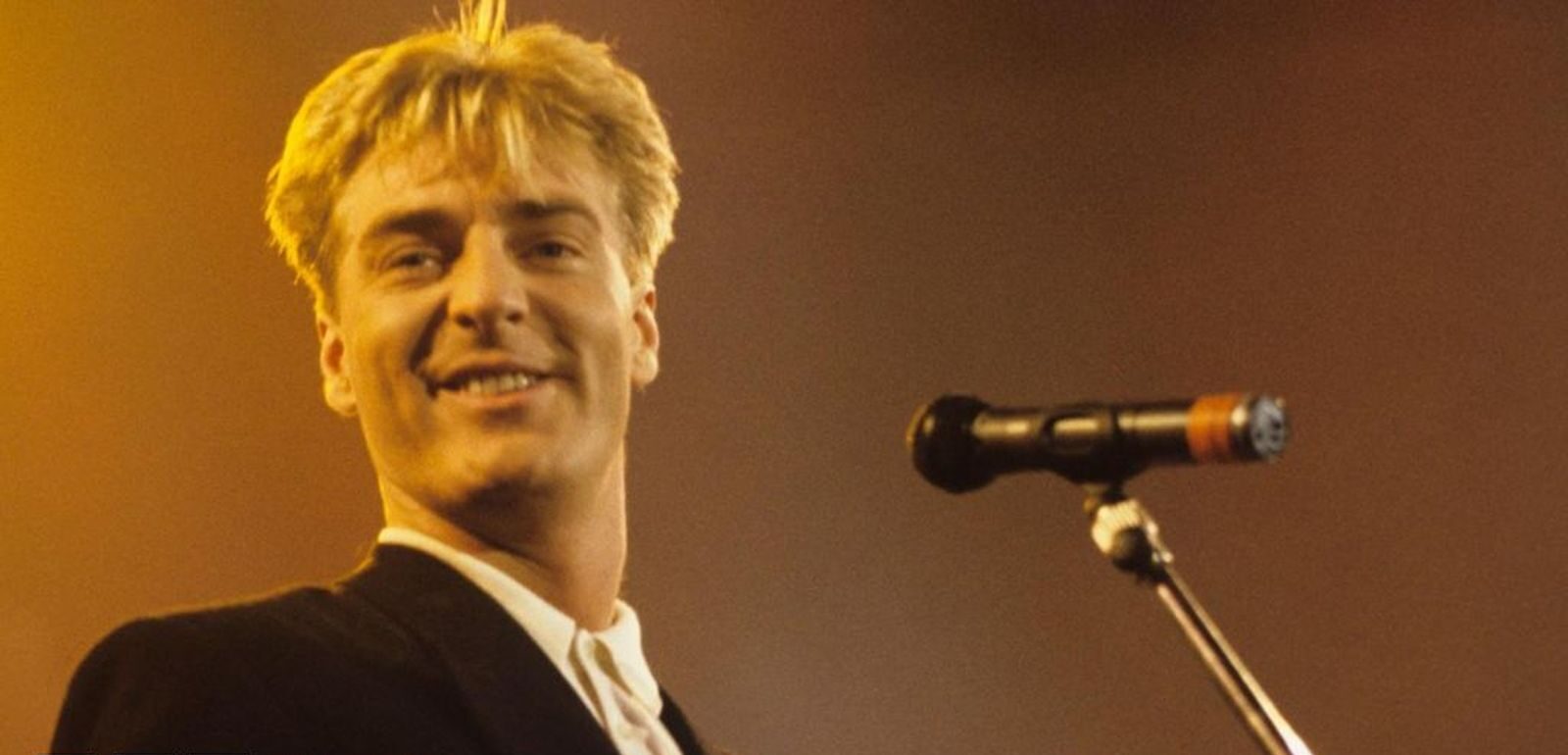
On November 10, 2025, the world lost Richard Darbyshire, the expressive and quietly influential frontman of Living In A Box. At 65, Darbyshire’s passing marks the end of an era for fans of British soul-pop—a genre he helped define through heartfelt vocals and evocative songwriting. His family confirmed the news to the BBC, sharing, “We are all very sad but his memory and songs will live on.” For many, Darbyshire’s legacy is not just in the chart success, but in the emotional resonance his music carried.
From Stockport to Stardom: Early Years and Musical Discovery
Born on March 8, 1960 in Stockport, Cheshire, Darbyshire’s early life was marked by movement and discovery. At age 13, he relocated to Japan with his family, attending an American boarding school where he was introduced to the soulful sounds of Marvin Gaye, Al Green, and Curtis Mayfield via US military radio. These influences would later permeate his own music, setting him apart in the British pop landscape.
Returning to the UK, Darbyshire immersed himself in the vibrant Northern music scene. He played with Gammer And His Familiars alongside Vini Reilly of The Durutti Column, and later joined Zu Zu Sharks—a Manchester band that found modest European success with the synth-pop single “Love Tumbles Down” in 1983. Though Zu Zu Sharks offered a stepping stone, Darbyshire soon left to pursue solo work, quietly developing his songwriting and vocal style.
Living In A Box: Chart Success and Artistic Integrity
Darbyshire’s big break arrived in 1985 when Chrysalis Records invited him to join drummer Anthony “Tich” Critchlow and keyboardist Marcus Vere. The trio, united by a demo session for the song “Living In A Box,” quickly adopted the track’s title as their band name. Their debut single “Living In A Box” burst onto the scene in 1987, reaching No.5 on the UK Singles Chart and becoming a Top 20 hit in the US. It wasn’t just a catchy pop tune—it carried Darbyshire’s soulful edge, marking the group as one to watch.
Their self-titled debut album followed, peaking at No.25 in the UK. Singles like “Scales Of Justice” and “So The Story Goes”—the latter featuring soul legend Bobby Womack in a memorable duet—showcased Darbyshire’s versatility, moving from powerful anthems to tender ballads. The group’s second album, “Gatecrashing,” released in 1989, was a polished, confident leap forward. With Queen’s Brian May lending guitar to “Blow The House Down” (No.10 UK), and the emotive “Room In Your Heart” (No.5 UK), Living In A Box cemented their place in the late-80s pop pantheon.
Yet behind the scenes, Darbyshire was never comfortable with the spotlight. His bandmates recalled, “Richard was the most reluctant of pop stars, always eschewing the limelight that inevitably came with the success we had. He hated the photo shoots, the interviews, the TV appearances and thought it was all a bit daft. He was happiest in the studio, guitar in hand, working on the next song.” (Classic Pop)
Songwriter at Heart: Beyond Living In A Box
As the 1990s dawned, Living In A Box faced internal and industry pressures. Label changes and artistic differences led to the group’s breakup before their third album was finished. Some of those songs resurfaced on Darbyshire’s solo debut, “How Many Angels,” released in 1994. The album saw him collaborating with Lisa Stansfield, who co-wrote and sang backing vocals on several tracks. Darbyshire’s songwriting flourished in this new phase—he contributed to Stansfield’s albums throughout the late 90s and early 2000s, and penned songs for artists like Jennifer Rush and Level 42.
Despite the evolving music industry, Darbyshire remained true to his craft. He preferred the creative process over public attention, focusing on the studio and mentoring others. In recent years, he ran songwriting workshops in London, working closely with his wife, vocal coach Sonia Jones, to help emerging artists find their voice. His legacy is thus not only in the songs he wrote and performed, but in the inspiration and guidance he offered to the next generation.
Tributes and Reflections: A Voice That Resonates
The reaction to Darbyshire’s passing has been heartfelt. Former bandmates paid tribute on social media, describing him as “an incredible talent” and “a pure craftsman and master of his art.” The laughs, the wildcat ride, and the music they shared will never be forgotten. Fans, too, have reflected on how Darbyshire’s soulful delivery made even the most commercial pop hit feel personal and profound.
It’s worth noting the enduring popularity of Living In A Box’s music. Even after Darbyshire left, the band reformed in 2016 with Kenny Thomas and, more recently, Bryan Chambers on vocals. But for many, the original hits—driven by Darbyshire’s voice—remain definitive. Soul legend Bobby Womack’s own cover of “Living In A Box” and his collaboration with Darbyshire on “So The Story Goes” speaks to the respect Darbyshire commanded among his peers.
Legacy: The Quiet Impact of a Reluctant Star
Richard Darbyshire’s career is a study in contrasts: commercial success matched by quiet humility, public acclaim met with personal reticence. His work shaped the sound of British pop in the late 80s, yet he always seemed most comfortable in the studio, away from the flashbulbs. Perhaps that is what made his music resonate—the sense that each lyric, each note, was delivered with honesty rather than performance.
As the music world says goodbye, Darbyshire’s influence remains. His songs continue to play on radios, his voice still stirring emotions decades later. Young artists in London, inspired by his workshops, carry forward the lessons of craft and authenticity. In the words of his bandmates: “Love you, man.”
Richard Darbyshire’s journey reminds us that true artistry isn’t measured by fame, but by the depth of connection music forges across time. His legacy lies in the soulful honesty of his voice, his craft, and the quiet generosity he showed to others—proof that one doesn’t need to seek the spotlight to leave a lasting impact.