
Quick Read
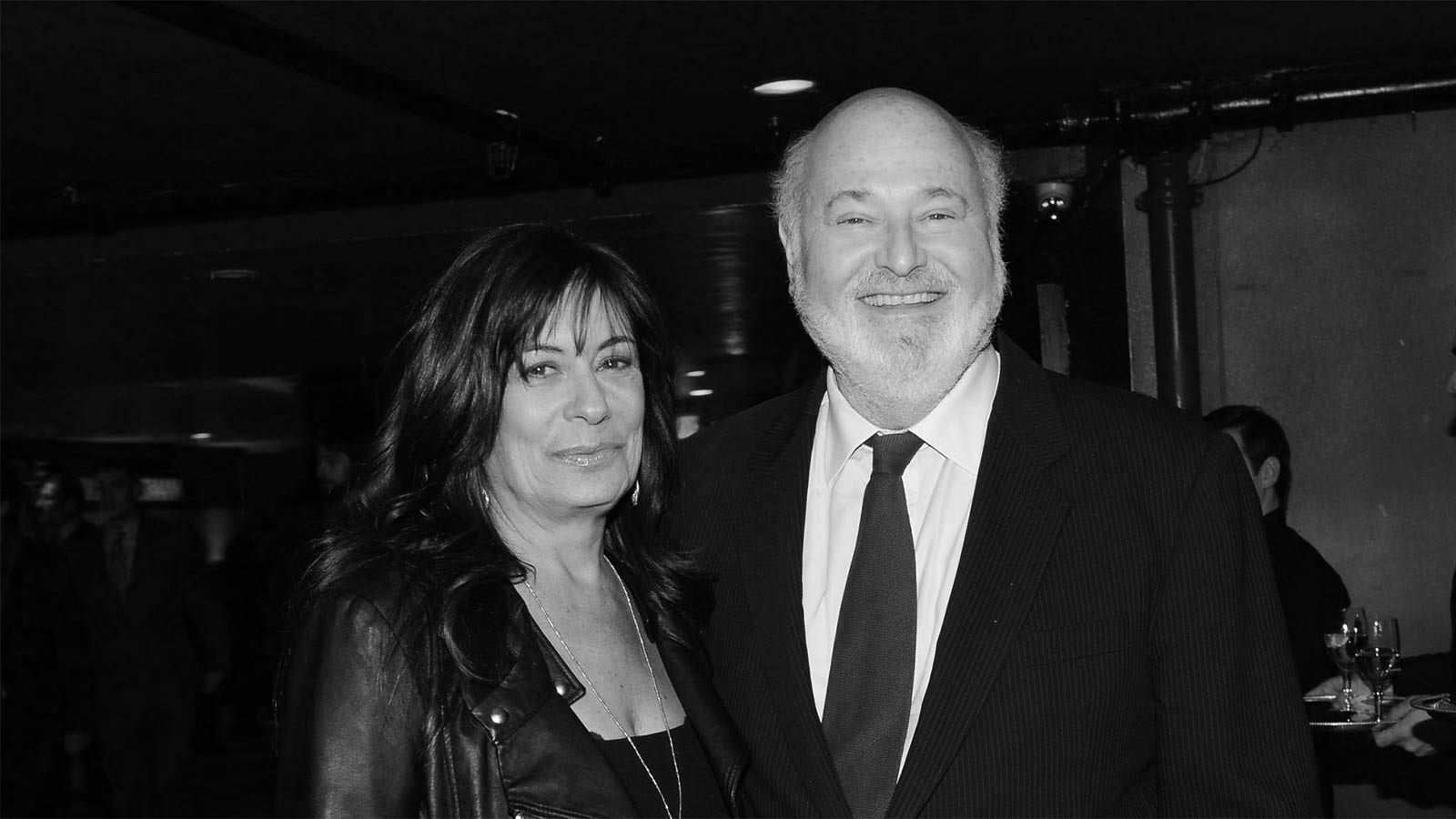
- Rob Reiner and his wife Michele were found dead in their Los Angeles home on December 14, 2025.
- Multiple sources say their son Nick Reiner is being questioned by police, though no charges have been confirmed.
- Nick Reiner has a long history of addiction, which the family depicted in their 2015 film ‘Being Charlie.’
- The couple’s daughter Romy reportedly discovered their bodies.
- The LAPD has not yet released an official statement regarding Nick’s involvement.
Rob and Michele Reiner’s Sudden Death Shakes Hollywood and Their Family
On Sunday, December 14, 2025, the Los Angeles Fire Department responded to a call at the Brentwood home of legendary director and actor Rob Reiner and his wife, Michele Singer Reiner. Upon arrival, first responders found Rob, 78, and Michele, 68, dead. The tragedy quickly reverberated through Hollywood, not only for the loss of two beloved figures but for the circumstances surrounding their deaths.
Nick Reiner: Police Question Son Amid Unconfirmed Reports
Multiple sources, including People magazine, have reported that the couple’s son, Nick Reiner, is being questioned by the LAPD’s Robbery-Homicide Division. While several family insiders and news outlets assert Nick was responsible for his parents’ deaths, law enforcement has not officially confirmed these accounts or made any arrests. As of Monday morning, Nick, 32, remains alive and under police scrutiny.
The Reiner home was discovered by their daughter Romy, according to People. The Los Angeles Fire Department received a call around 3:30 p.m. that Sunday. The precise details of what happened inside the house remain unclear. Authorities have not released further information about a possible motive, nor have they officially named Nick as a suspect.
Family Tensions and Addiction: A Decade-Long Public Struggle
Rob and Nick Reiner’s complex relationship had already played out in the public eye. Ten years before the tragedy, Rob and Nick collaborated on the film Being Charlie, a drama inspired by Nick’s struggle with addiction and the family’s attempts to help him. Nick co-wrote the script, drawing on his own experiences, while Rob directed, infusing the narrative with a parent’s perspective. The film premiered at TIFF in 2015 and later aired on Starz.
The story centers on an 18-year-old addict, Charlie Mills, and his father David, a movie star running for Congress. The plot mirrors real-life tensions between Rob and Nick, with rehab stints, arguments, and mutual frustration. In interviews, both parents acknowledged their desperation and the influence of so-called experts on their decisions. Rob admitted, “We listened to the experts when we should have been listening to our son.” Michele echoed, “We were so influenced by these people. They would tell us he’s a liar, that he was trying to manipulate us. And we believed them.”
Nick’s struggle with addiction began in his teens and escalated over the years, leading to periods of homelessness. In a 2016 People interview, Nick shared: “I got sick of it. I come from a nice family. I’m not supposed to be out there on the streets and in homeless shelters doing all these … things.” The film was seen as a therapeutic project for the family, yet reviewers noted the underlying unresolved issues and contrasting perspectives between father and son.
Hollywood Legacy Overshadowed by Tragedy
Rob Reiner’s career spanned decades and genres, from his breakout role as Mike Stivic on All in the Family to directing classics like This Is Spinal Tap, Stand by Me, The Princess Bride, When Harry Met Sally…, Misery, and A Few Good Men. He met Michele when directing When Harry Met Sally, and the couple married in 1989, raising three children together. Rob’s father, Carl Reiner, was himself a comedy legend, adding another chapter to the family’s storied Hollywood lineage.
Social media and comment sections quickly filled with tributes to Rob and Michele. Fans and colleagues shared memories of Rob’s warmth, talent, and activism—recalling his work on projects like “The Spy and the Asset” and his protest against the separation of migrant families. The sense of loss is palpable, with many struggling to reconcile the public image of a tight-knit, creative family with the shocking events in Brentwood.
The Search for Answers and the Burden of Public Scrutiny
While sources close to the family have been unequivocal in blaming Nick for his parents’ deaths, the LAPD has yet to confirm any details publicly. The lack of official statements leaves the tragedy shrouded in uncertainty, feeding speculation and debate both online and in the press. The Hollywood Reporter noted that, should Nick be confirmed as the suspect, scenes from Being Charlie—which depict painful confrontations between father and son—could take on a new, unsettling significance.
As the investigation continues, the film Being Charlie has become an unlikely gathering place for those grappling with the complexities of addiction, family, and forgiveness. Viewers debate the role of parents in helping addicted children, the limits of tough love, and the ongoing process of recovery. The dialogue between Charlie and David in the film—marked by apology, anger, and a reluctant embrace—now resonates with tragic overtones.
For now, Hollywood, friends, and family await further news, hoping for clarity amid grief and confusion. The Reiner legacy, marked by creativity and candor, faces its most difficult chapter yet.
Assessment: The deaths of Rob and Michele Reiner and the focus on their son Nick exemplify how unresolved family trauma can echo across generations, even in families that have tried to confront their pain openly. The Reiners’ willingness to share their struggles on screen did not guarantee resolution, and the tragic events underscore the limits of public dialogue in healing private wounds. As the facts emerge, this case will likely become a touchstone for how society understands addiction, accountability, and the complicated bonds of family.