
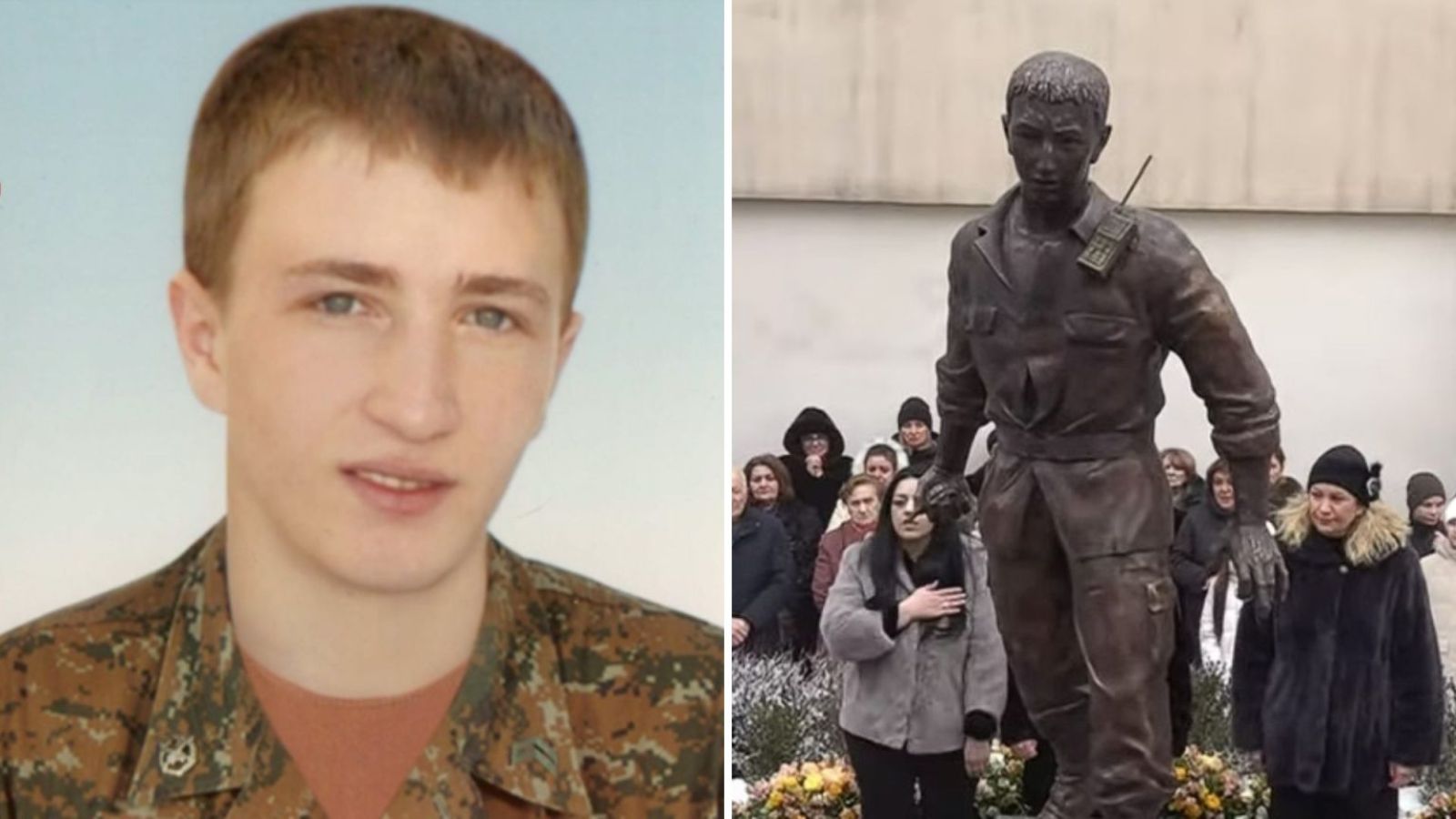
- The statue was unveiled at the 147th primary school in Artsakh.
- The monument bears a plaque with the last words of the figure.
- The unveiling is part of ongoing memorial efforts to honor local war heroes.
- The event links education with national memory in Artsakh.
In a ceremony at the 147th primary school, a statue commemorating a prominent Artsakh hero was unveiled, marking a moment of collective memory for the community. The installation grounds the narrative of sacrifice in a physical presence on a school campus, elevating the role of education in the ways communities remember their past.
The statue includes a plaque bearing the last words attributed to the figure, a detail that draws attention to the human stories behind years of conflict. The inscription provides a focal point for reflection, inviting students and visitors to consider the complexities of service, duty, and personal sacrifice.
Educators, students, and local residents will be invited to engage with the monument as part of the school’s civic education program. Through guided discussions, classroom projects, and commemorative rituals, the school community seeks to connect past events with present-day values such as resilience, empathy, and responsibility.
Experts and cultural observers note that placing monuments at schools is a long-standing practice in Artsakh and neighboring regions, designed to weave memory into everyday life. When a community or institution chooses to dedicate a statue to a national figure within an educational setting, it signals an intent to make memory a shared, ongoing process rather than a distant historical note.
The bearer of the title Hero of Artsakh is widely recognized within the region as a symbol of courage and commitment. By situating such a monument on school grounds, organizers underscore that the memory of those who served is not confined to museums or public squares but is meant to inspire current students in their own development and civic participation.
The ceremony’s focus on schooling and memory emphasizes continuity: a generation of students witnesses the unveiling, absorbs the significance of the event, and carries the lessons forward as they grow into their own roles in society. In this sense, the installation acts as a living prompt for ongoing dialogue about national identity, peace, and the responsibilities of citizens to safeguard shared memory.
As memory practices evolve and communities reassess which histories are foregrounded, monuments in educational settings are likely to influence how younger generations understand ideas of heroism, sacrifice, and public service. The 147th primary school case illustrates how schools can become sites where history is not merely taught but experienced, debated, and reframed over time.
Officials overseeing the project emphasize that the monument will serve as a permanent reminder for students and visitors alike, fostering curiosity about the past while encouraging thoughtful engagement with the present. The installation thus marries commemorative aims with educational purpose, aiming to spark discussion, inquiry, and a sense of shared responsibility for the future.
FINAL ANALYSIS: The unveiling at a school campus signals a continued effort to intertwine education and national memory, suggesting that future generations may engage with the past in more reflective ways while the memory remains shaped by evolving political realities.