
Quick Read
- Robert F. Kennedy Jr. halted $500M in mRNA vaccine research funding.
- Critics, including former Surgeon General Jerome Adams, warn of grave public health risks.
- Medical groups filed a lawsuit against Kennedy for undermining vaccine policies.
- Kennedy defends his stance, citing inefficacy of mRNA against respiratory infections.
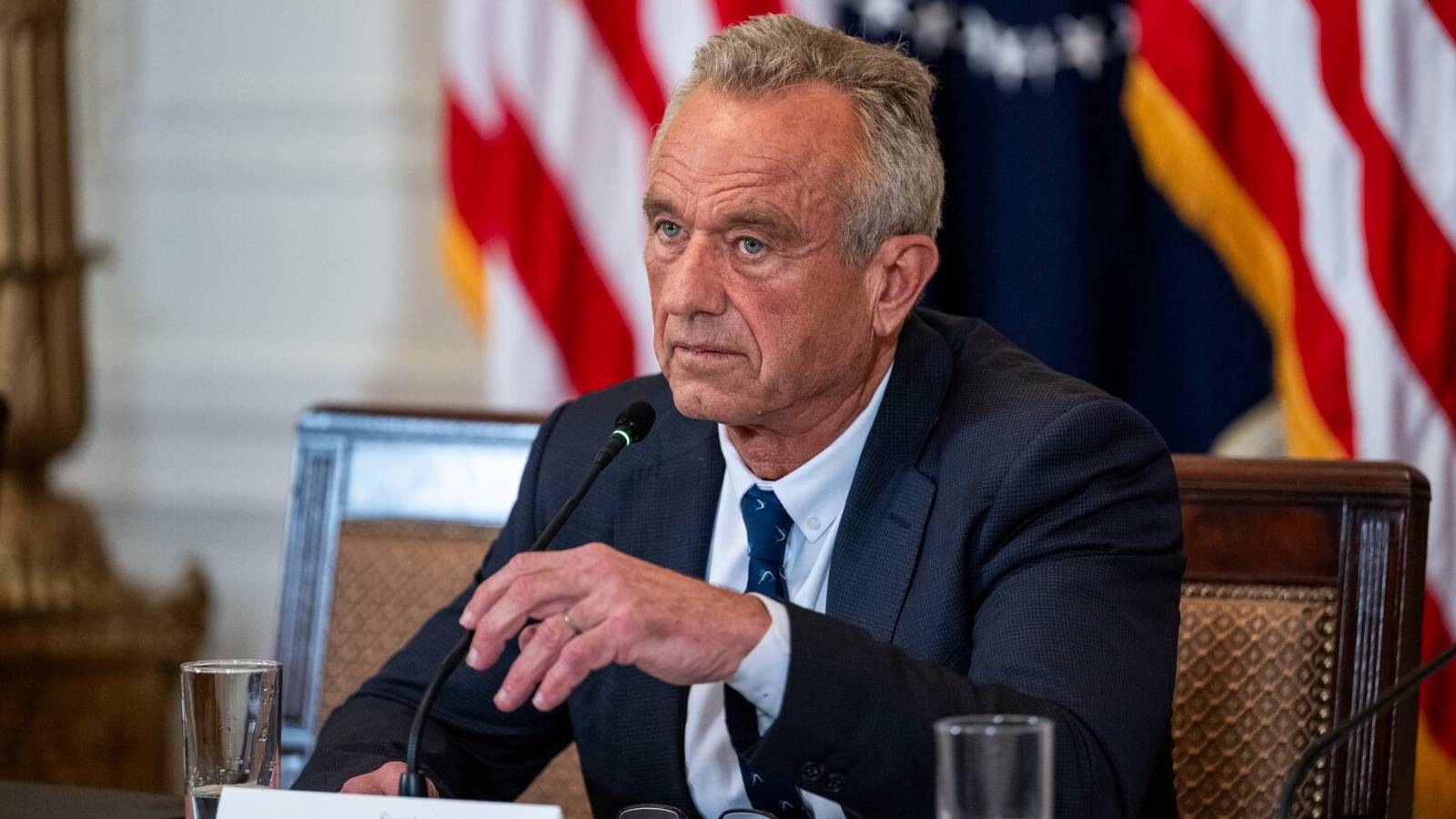
The decision by Health and Human Services Secretary Robert F. Kennedy Jr. to terminate federal funding for mRNA vaccine research has ignited a fierce debate across the United States. The controversial move, part of Kennedy’s broader push to reform national health policies under the Make America Healthy Again (MAHA) agenda, has drawn sharp criticism from public health experts, politicians, and advocacy groups.
Background of the Decision
On August 11, 2025, multiple outlets reported that Kennedy ordered the cessation of $500 million in federal funding for mRNA vaccine research. Kennedy justified the decision by claiming that mRNA technology is ineffective against upper respiratory infections and that the U.S. should instead focus on older, more traditional vaccine platforms. However, this stance has been met with widespread skepticism from the scientific community.
Former U.S. Surgeon General Jerome Adams was one of the first prominent figures to condemn the move. In an interview with CBS’s Face the Nation, Adams warned that the decision would not only cost lives but also stall progress in critical medical fields, including cancer and HIV research. Adams argued, “By the most conservative estimates, at least 2 million lives were saved because of mRNA vaccines. Cutting funding now undermines America’s leadership in medical innovation.” Endpoints News also reported that the decision has caused internal conflicts within the Department of Health and Human Services, culminating in the recent dismissal of Gray Delany, a key MAHA implementor.
Criticism from Experts and Lawmakers
Public health and medical experts have expressed alarm at the potential consequences of Kennedy’s policy. Jerome Adams emphasized that mRNA technology’s speed and adaptability were instrumental in combating the COVID-19 pandemic, which he described as “President Trump’s greatest achievement.” He added that abandoning mRNA research now would give an advantage to competitors like China, jeopardizing U.S. global standing.
Senator Bill Cassidy (R-La.) echoed these concerns, calling the decision “short-sighted” and warning that it wastes billions already invested in the technology. Meanwhile, a coalition of prominent medical organizations, including the American Academy of Pediatrics and the American College of Physicians, filed a lawsuit against Kennedy in July 2025. The lawsuit accuses him of undermining science-based vaccine policies and endangering vulnerable populations, particularly children and pregnant women.
Broader Implications for Public Health
Critics also fear that halting mRNA research could derail ongoing advancements in treating other diseases. According to Adams, mRNA technology shows promise in developing vaccines for cancer, HIV, and influenza. The rapid adaptability of mRNA platforms was a key factor in their success during the COVID-19 pandemic, and experts warn that abandoning them could hinder responses to future pandemics.
Adding to the controversy is Kennedy’s decision to revise vaccine recommendations and remove experts from the CDC’s immunization committee. Public health groups argue that these actions undermine trust in vaccines and could lead to lower immunization rates, further endangering public health.
Support and Defense
Despite the backlash, Kennedy has defenders who argue that his policy aligns with public skepticism about mRNA vaccines. Supporters claim that traditional vaccine platforms have a longer track record and fewer reported side effects. Cheryl Hines, Kennedy’s wife, recently discussed the challenges of navigating public opinion around her husband’s decisions in an interview with The Wall Street Journal, noting that “Robert is committed to policies he believes are in the public’s best interest, even when they’re unpopular.”
Meanwhile, alternative vaccine technologies are gaining attention. In May 2025, the FDA granted limited approval to Novavax’s protein-based COVID-19 vaccine for high-risk groups, signaling a potential shift in focus away from mRNA platforms. However, experts caution that such alternatives are not a replacement for the speed and scalability of mRNA technology.
The debate over Kennedy’s decision highlights the complexities of balancing public skepticism, scientific innovation, and national priorities. While the long-term impact remains to be seen, the controversy underscores the critical importance of evidence-based policy in safeguarding public health.