
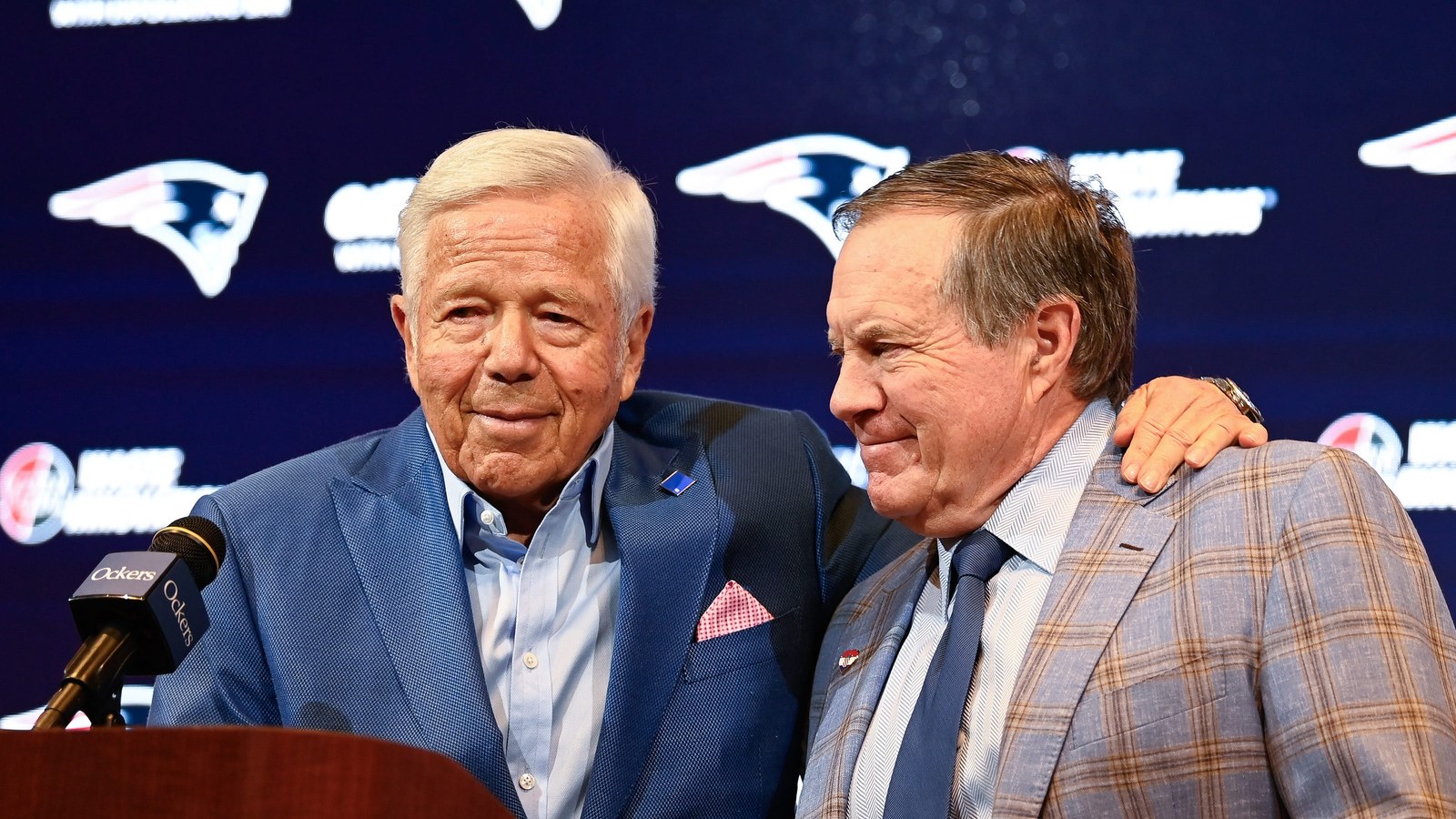
Quick Read
- Robert Kraft is a finalist for the Pro Football Hall of Fame Class of 2026.
- His ownership transformed the Patriots into one of the NFL’s most successful franchises.
- Kraft’s leadership led to six Super Bowl titles and major community developments.
- Debate persists about the legacy and Hall of Fame candidacies of both Kraft and coach Bill Belichick.
- Mike Vrabel and other former players have publicly commented on Kraft’s impact.
Robert Kraft: The Architect Behind the Patriots’ Dynasty
When football fans look back on the last quarter-century of the NFL, few names carry as much weight as Robert Kraft. The owner of the New England Patriots, Kraft transformed a once-middling franchise into a model of consistency and success. Now, as he stands as a finalist for the Pro Football Hall of Fame’s Class of 2026, his legacy faces both celebration and scrutiny.
Building the New England Patriots: Vision, Risk, and Reward
Kraft’s journey with the Patriots began in 1994, when he purchased the team and immediately signaled a new direction. Under his stewardship, the franchise shed its reputation for mediocrity and became synonymous with winning. From the construction of Gillette Stadium to the development of Patriots Place—a sprawling entertainment and retail complex—Kraft’s vision went beyond the gridiron. He saw the potential for the Patriots to be more than just a football team; they became a cultural institution in New England.
On the field, the results were undeniable. The Patriots, with Kraft at the helm, captured six Super Bowl titles and appeared in countless playoff games. This run of dominance reshaped the NFL’s competitive landscape, setting new standards for organizational excellence.
Leadership and Impact: More Than Championships
Mike Vrabel, a former Patriots linebacker and now head coach, reflected on Kraft’s influence in a recent interview on The Greg Hill Show, as reported by Sports Yahoo and Patriots Wire. “I think, you look at our organization and our franchise with Robert and his leadership, and the success that we’ve had, the development of this stadium and this Patriots Place…,” Vrabel said, highlighting how Kraft’s vision shaped not only the team but the community around it.
Kraft’s leadership extended beyond wins and losses. He fostered a culture that prioritized professionalism, accountability, and innovation. Players and staff were given the resources and support to excel, and the organization became known for its ability to adapt and thrive in the face of changing circumstances.
Debate Over Legacy: Admiration and Dissent
While Kraft’s achievements are widely acknowledged, the Hall of Fame conversation has not been without controversy. Not all former Patriots are in agreement about the Hall of Fame candidacies of Kraft and former coach Bill Belichick. Ted Johnson, a former linebacker for the Patriots, voiced reservations about Belichick’s first-ballot eligibility, citing the multiple scandals that have marked his tenure. “I don’t know if a coach has had more success than Bill when it comes to championships, but also more negative kind of stories that he’s brought upon himself,” Johnson remarked on WEEI Afternoons. “And so to say that he deserves to go into the Hall of Fame first ballot, when you consider all of those scandals that he’s been a part of, I don’t agree with. I don’t.”
Although Johnson’s comments were directed at Belichick, they underscore the broader debate about legacy in professional sports—how off-field issues and controversies shape the public’s perception of greatness. For Kraft, however, the conversation has centered more on his leadership and the unprecedented success of the Patriots under his ownership.
Hall of Fame: What Does Induction Mean?
The Pro Football Hall of Fame is more than a museum; it’s an institution that immortalizes those who have shaped the game. Induction represents the highest honor, reserved for those whose impact extends beyond statistics. For owners like Kraft, the criteria include vision, innovation, and the ability to change the course of a franchise—and perhaps, the league itself.
As a finalist for the Class of 2026, Kraft’s candidacy is a reflection of decades of transformation. The stadiums, the championships, the economic revitalization of Foxborough, and the Patriots’ place in football lore—all trace back to his leadership.
Looking Forward: Legacy in Perspective
The debate about Robert Kraft’s Hall of Fame credentials isn’t just about what happened on the field. It’s about the ripple effects of his decisions—the jobs created, the community uplifted, and the new standard set for franchise ownership. As the NFL evolves, Kraft’s blueprint for success remains a reference point for future generations.
Whether or not he receives the ultimate honor, Kraft’s legacy is secure. The stadiums he built, the culture he fostered, and the championships his team won will continue to echo through the halls of football history. For fans and critics alike, the story of Robert Kraft is a reminder that behind every dynasty is a leader willing to take risks, challenge norms, and dream bigger than most.
In evaluating Robert Kraft’s Hall of Fame chances, it’s clear that his impact goes far beyond the scoreboard. His leadership redefined what it means to own a sports franchise, transforming not just a team but an entire region. Whether or not he is inducted, Kraft’s legacy as an innovator and builder will continue to shape the narrative of the NFL for years to come.