
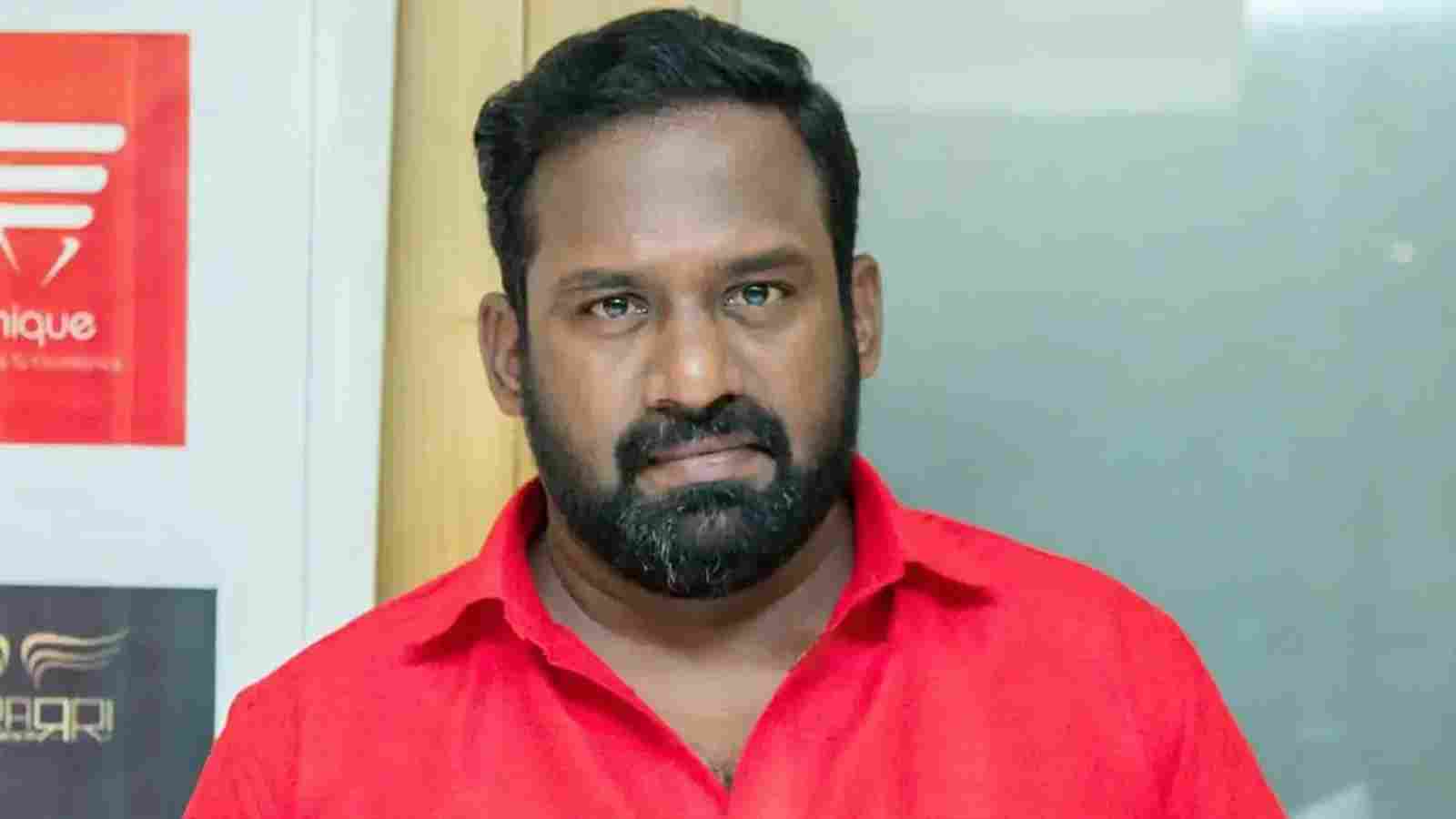
Quick Read
- Robo Shankar, famed Tamil comedian and actor, died at age 46 in Chennai after collapsing on set.
- He was known for his roles in Maari, Irumbu Thirai, Vellainu Vandhutta Vellaikaran, and more.
- Shankar first rose to fame with his robot dance performances and the TV show Kalakka Povadhu Yaaru.
- His daughter Indraja is also an actor, recognized for her role in Bigil.
- Tributes poured in from industry icons like Kamal Haasan and Venkat Prabhu.
From Stage to Screen: The Unmistakable Rise of Robo Shankar
On a humid Thursday evening in Chennai, the Tamil film industry lost one of its most beloved entertainers. Robo Shankar, whose real name was Shankar, passed away at the age of 46 after a sudden health crisis that saw him collapse on set just a day earlier. His untimely death sent shockwaves through the community, leaving colleagues, fans, and family grappling with the loss of a man whose laughter and energy had become synonymous with modern Tamil cinema.
Robo Shankar’s journey is a story of transformation and tenacity. Born in a modest household, Shankar first caught the public’s eye with his electrifying robot dances—hence the moniker ‘Robo.’ It was a nickname that stuck, evolving into a brand that would soon be associated with wit, charisma, and a distinctive comedic rhythm. His breakthrough came not in cinema, but on television, when he lit up the stage of Kalakka Povadhu Yaaru, a reality show known for discovering standup comedy talent. Audiences were drawn to his physical humor and magnetic stage presence, qualities that would later become hallmarks of his film career.
Breakthrough Roles and a Legacy of Laughter
Robo Shankar’s transition from television to the silver screen was seamless. Early roles in films such as Idharkuthane Aasaipattai Balakumara and Vaayai Moodi Pesavum showcased his knack for comic timing, but it was his performance as Sanikizhamai in Dhanush’s Maari (2015) that cemented his reputation. His portrayal, both endearing and hilarious, made him a fixture in the industry and led to a string of successful appearances in films like Vishal’s Irumbu Thirai, Vishnu Vishal’s Vellainu Vandhutta Vellaikaran, and Singam 3. With each role, he injected an irrepressible energy that could lift even the most formulaic script.
As his popularity soared, Robo Shankar became a sought-after comedian, appearing in hits such as Velaikkaran, Kalakalappu 2, Maari 2, and Iravin Nizhal. His final screen appearance was in the recently released Sotta Sotta Nenaiyuthu, a testament to a career that, even in its last moments, was marked by dedication and passion.
Family, Tributes, and a Community in Grief
Robo Shankar is survived by his wife Priyanka, his daughter Indraja—herself an actor recognized for her role alongside Vijay in Bigil—and a grandson. The familial bond was strong; Indraja’s own journey into acting was in many ways inspired by her father’s infectious love for the craft.
The news of Robo Shankar’s passing reverberated through the Tamil film fraternity. Actor Kamal Haasan, a towering figure in Indian cinema, was among the first to respond, penning a heartfelt Tamil poem as tribute. In this poetic farewell, Kamal Haasan reflected on the nature of Robo Shankar’s persona—how ‘Robo’ was merely a pseudonym, and in his dictionary, Shankar was a younger brother. “Just because you have gone doesn’t mean you have left me,” he wrote, underlining the enduring impact of Shankar’s presence. The poem concluded with a poignant line: “As you have left tomorrow for me, tomorrow is ours.”
Director Venkat Prabhu joined the chorus of condolences, posting on X (formerly Twitter): “#RIProboshankar gone too soon my friend. Deepest condolences to family and friends.” These messages, echoing across social media and news outlets, painted a picture of a man deeply respected and widely loved.
A Final Farewell: The Last Rites and the Memory That Remains
Following his passing at around 8:30 pm, Robo Shankar’s body was taken from the hospital to his residence in Valasarvakkam, Chennai. There, his family prepared to receive friends, colleagues, and fans who wished to pay their last respects. The last rites, a solemn but necessary ritual, marked the closing of a chapter that had brought so much joy to so many.
Yet, as the crowds gathered, it was clear that Robo Shankar’s legacy would not fade easily. His performances, both on stage and on screen, have become a part of Tamil cinema’s living memory. For many, he was more than a comedian—he was a symbol of perseverance, a reminder that laughter could bridge divides and that even the briefest of lives could leave a lasting impression.
Beyond the headlines and tributes, what stands out is the universality of Robo Shankar’s appeal. He was a man who could make audiences forget their troubles, if only for a few moments, and who believed in the power of humor as a force for connection. His story is a reminder that greatness is not measured by the number of years, but by the depth of impact.
Robo Shankar’s journey—from a young performer with a unique dance to a household name in Tamil cinema—embodies the spirit of resilience and creativity that defines the region’s artistic heritage. His passing is a profound loss, but his legacy will continue to inspire new generations of entertainers and audiences alike. The industry mourns, but it also remembers, holding on to the laughter he so generously gave.