
Quick Read
- Roger Waters faced criticism from bandmates over his vocals on ‘Have a Cigar’.
- David Gilmour also attempted the vocals but was uncomfortable with the song’s range.
- Folk singer Roy Harper ultimately performed the lead vocals, invited from a neighboring studio.
- Waters felt Harper’s theatrical style risked turning the song into parody.
- The incident highlighted growing creative tensions within Pink Floyd after their breakthrough album.
Roger Waters and the Voice That Divided Pink Floyd
In the world of rock, few bands have been as mythologized—and scrutinized—as Pink Floyd. Their music is celebrated for its complexity and introspection, but behind the scenes, the group was often defined by internal tensions and creative disagreements. One such flashpoint came in 1975, as the band recorded their iconic album Wish You Were Here. The song at the heart of the discord? ‘Have a Cigar.’
The Studio: Where Confidence Meets Critique
By 1973, Pink Floyd had ascended to unprecedented heights with The Dark Side of the Moon. Yet, as Roger Waters later admitted to journalist Chris Salewicz, this success marked both a zenith and a turning point: “Dark Side Of The Moon finished the Pink Floyd off once and for all. To be that successful is the aim of every group. And once you’ve cracked it, it’s all over.” For Waters, the cracks were already showing.
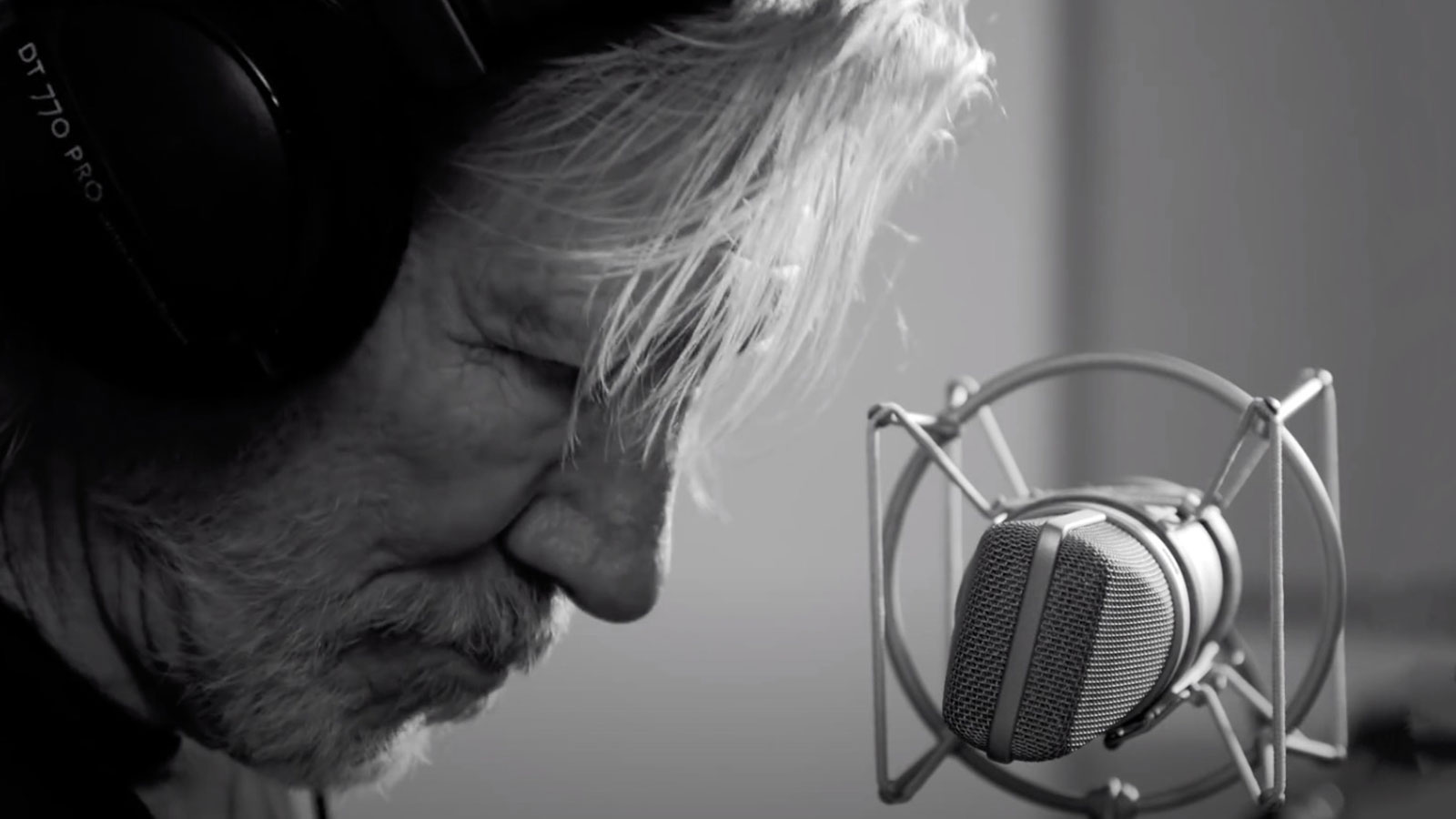
When the band gathered to record ‘Have a Cigar,’ Waters initially took the lead vocal. But the session quickly became a microcosm of the larger creative and personal strains within Pink Floyd. According to guitarist David Gilmour, Waters’ voice—fatigued from belting out the epic ‘Shine On You Crazy Diamond’—did not meet the expectations of some in the studio. “Roger had a go at singing it, and one or two people were unkind about his singing. One or two people then asked me to have a go at it. I did, but I wasn’t comfortable,” Gilmour recalled in a 2011 interview with Mojo.
Roy Harper’s Unexpected Entrance
As it turned out, Gilmour himself felt the song’s range and emotional intensity didn’t suit his own voice either. The group was at an impasse. Enter Roy Harper, a folk singer and friend who happened to be recording nearby at Abbey Road Studios. After some playful cajoling (“Go on, lemme have a go, lemme have a go”), Harper was invited to try his hand at the track. The result was a flamboyant, biting vocal performance that channeled the song’s satirical take on the music industry.
Most of the band appreciated Harper’s version, but Waters remained uneasy. He felt Harper’s theatrical delivery risked turning the song into parody, a sentiment that foreshadowed the band’s future creative schisms. Gilmour, on the other hand, believed Harper’s approach captured the cynicism and absurdity of the industry figures Pink Floyd often encountered—those who would ask, “Which one’s Pink?” as if the band were just a front for a single performer.
Cracks Beneath the Surface
The episode around ‘Have a Cigar’ was not just about a single vocal line—it was a sign of the growing distance between Waters and the rest of the band. By the mid-1970s, Waters had become increasingly isolated, his vision for Pink Floyd diverging from his bandmates. The friction over who should sing ‘Have a Cigar’ mirrored deeper creative and personal divides that would eventually culminate in Waters’ departure in the 1980s.
The story also highlights the ways in which bands, no matter how successful, are vulnerable to the same pressures and insecurities that affect any creative collaboration. Waters’ discomfort with criticism and Harper’s outsider perspective combined to produce one of Pink Floyd’s most memorable tracks—albeit one that left emotional residue long after the tape stopped rolling.
The Legacy of ‘Have a Cigar’
‘Have a Cigar’ is remembered not just for its biting lyrics or Harper’s distinctive performance, but for the window it provides into the realities of working within a band at the peak of its powers. The song’s message—skeptical of the music industry and its commodification of art—was reflected in the very process of its creation.
Waters’ struggle with the vocals and the ensuing studio politics serve as a reminder that success can be double-edged, amplifying both triumphs and tensions. Pink Floyd’s enduring legacy owes much to these moments of vulnerability and disagreement, which shaped their art as much as their harmony.
Reflections on Band Dynamics
Looking back, it’s clear that the making of ‘Have a Cigar’ marked a pivotal moment for Pink Floyd. The rift over vocals was symptomatic of broader challenges: the pressure to innovate after a smash hit, the stress of public scrutiny, and the personal toll of creative ambition. In the years that followed, Waters’ role would grow even more dominant, and the band’s internal dynamics would shift, ultimately leading to a split that fans and critics still debate.
Yet, for all its drama, the story of ‘Have a Cigar’ is also a testament to the unpredictable nature of collaboration. Sometimes, the solution comes from outside the circle—from the friend leaning on the studio wall, waiting for his chance to sing.
In tracing the journey of ‘Have a Cigar,’ we see how artistic friction can both fracture and fuel creativity. Waters’ struggle with the song’s vocals was more than a technical issue; it was a crossroads for Pink Floyd, capturing the delicate balance between ego, artistry, and the search for authenticity in a world quick to judge.