
Quick Read
- Australia defeated England in the 2025 Ashes with a 3-0 series lead, securing the urn.
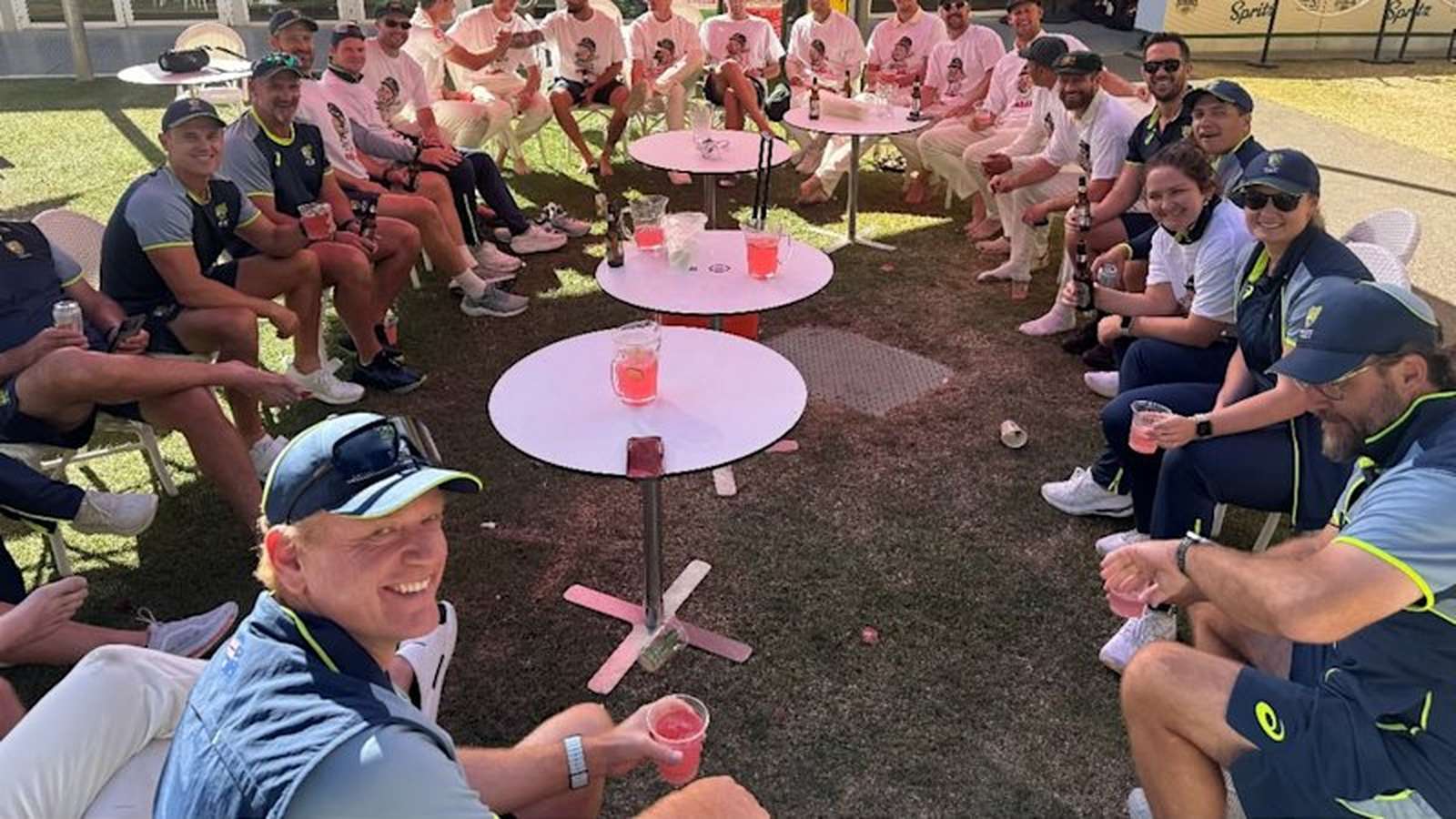
- The team celebrated with ‘Ronball’ shirts, honoring coach Andrew McDonald and playfully referencing England’s Bazball.
- Celebrations included traditional songs, drinks, and the presence of cricket legends, blending old and new rituals.
Australia’s ‘Ronball’ Triumphs Over England’s Bazball: The Story Behind the Ashes Victory
In the world of cricket, strategies can become cultural phenomena. England’s ‘Bazball’—a fearless, aggressive style championed by coach Brendon McCullum—once set the benchmark for modern Test play. But as the dust settled at the Adelaide Oval in December 2025, it was Australia’s tongue-in-cheek ‘Ronball’ that had the final say, driving the home team to a decisive Ashes victory and igniting celebrations that blended old traditions with fresh energy.
What is Ronball? A Playful Dig and a Winning Ethos
‘Ronball’ began as a joke, a lighthearted jab at England’s Bazball and a nod to Australia’s coach Andrew McDonald—nicknamed ‘Ronald’ after the iconic fast-food clown. But behind the humor, Ronball came to represent a resilient, adaptable approach that defined Australia’s campaign. The players donned white shirts emblazoned with ‘Ronball’ and a cartoon of McDonald in cricket gear, turning the dressing room into a scene of camaraderie and cheeky self-belief.
As Travis Head, the team’s unofficial social secretary, handed out the shirts, the message was clear: Australia wasn’t just playing for runs or wickets—they were playing for each other, for their coach, and for a renewed sense of pride in their game. The shirts became a symbol of the team’s journey from being dismissed as ‘the worst Australian side in 15 years’ to holding an unassailable 3-0 series lead, as reported by Daily Mail and SMH.
Turning the Tide: Key Moments in the Series
The Adelaide Test was a microcosm of the whole series—a blend of grit, drama, and moments that could have swung either way. England, fighting hard after a hamstring injury sidelined Nathan Lyon, threatened a world-record chase. Jamie Smith and Will Jacks edged closer, but the Australians, led by Pat Cummins, Mitchell Starc, and Alex Carey, found answers when it mattered most.
When Cummins snagged a crucial catch to remove Smith, the tension broke. Cameras captured his wife Becky’s celebration in the stands, their son Albie in tow—a reminder that, for many of the players, victory is a family affair. The Australians sealed the match with an 82-run margin, securing the Ashes for the fifth consecutive series and marking the fastest Ashes win on record—786.3 overs bowled, as detailed in The Age.
Celebrations: Tradition Meets Modern Team Spirit
Back in the sheds, the atmosphere was electric. Cricket legends like Ricky Ponting, Adam Gilchrist, and Matthew Hayden joined the party, invited by Cummins in a gesture of respect and unity. The team toasted their win with cold drinks and Head’s signature ‘Headliner Spritz’—an apple and watermelon gin cocktail, blending local flavor with a festive mood.
It wasn’t just about drinks and shirts. Players gathered in a circle on the field, some in cricket whites, others in Ronball tees, and sang classics like ‘True Blue’ by John Williamson and the team anthem ‘Under The Southern Cross.’ These rituals, old and new, tied the moment to the broader Australian cricket story—one of resilience and shared joy even as the squad battled injuries and disruptions throughout the series.
The Human Side: From Doubt to Determination
Just weeks before, England’s Stuart Broad dismissed Australia as the weakest side in years. But the Australians turned that narrative on its head. Marnus Labuschagne reflected, “Being called the worst Australian team in 15 years… it’s nice to be sitting where we are, 3-0 up.” Cummins echoed the sentiment, noting the satisfaction of overcoming pre-series hype and adversity: “To win it in straight sets, it doesn’t get much better than that.”
Even as the team celebrated, injuries loomed—Nathan Lyon on crutches, Pat Cummins managing his back, and the absence of key players like Josh Hazlewood. The victory was as much about squad depth and adaptability as it was about individual brilliance.
England’s Response and the Road Ahead
For England, the defeat was sobering. Coach Brendon McCullum faced tough questions from the press, and captain Ben Stokes offered no excuses: “They’ve been better than us.” With two Tests still to play, the English side aimed to salvage pride, but the psychological blow of losing the urn—again—could not be ignored.
Australia, meanwhile, looked ahead to the possibility of a 5-0 sweep, a feat only achieved three times before. The players knew the job wasn’t finished, but the celebrations in Adelaide were a testament to how far they had come, both as cricketers and as a unit.
Ronball’s Legacy: More Than a Meme
In a sport that thrives on tradition and rivalry, Ronball’s rise is a reminder that the best teams find ways to adapt, embrace humor, and turn criticism into fuel. Whether Ronball becomes a lasting ethos or simply a memorable chapter, it speaks to the power of unity, leadership, and a willingness to challenge expectations.
- Australia’s Ashes win in 2025 was marked by a lighthearted, team-driven spirit.
- Ronball, inspired by Andrew McDonald, became a symbol of resilience and camaraderie.
- The celebrations blended old rituals with new traditions, showing the evolving culture of Australian cricket.
Analysis: In the end, Ronball was less about tactics and more about trust, adaptability, and the power of a collective identity. Australia’s Ashes triumph wasn’t just a win over England—it was a statement about the importance of humor, humility, and togetherness in sport. The Ronball shirts may fade, but the ethos they represent could shape Australian cricket for years to come.
Sources: Daily Mail, SMH, The Age