
Quick Read
- The Wildlife Trusts and Northumberland Wildlife Trust are bidding £30 million to buy the Rothbury Estate for conservation.
- The 15-square-mile estate is intended to become a key part of a 40-mile ‘wild corridor’ in Northumberland.
- The charities have raised over a third of the funds and have until September 2026 to secure the full amount.
- Local tenant farmers and some residents oppose the bid, fearing negative impacts on livelihoods and traditional land use.
- Proposed changes include reducing sheep, increasing cattle, and potential reintroduction of European bison, which has not been discussed with locals.
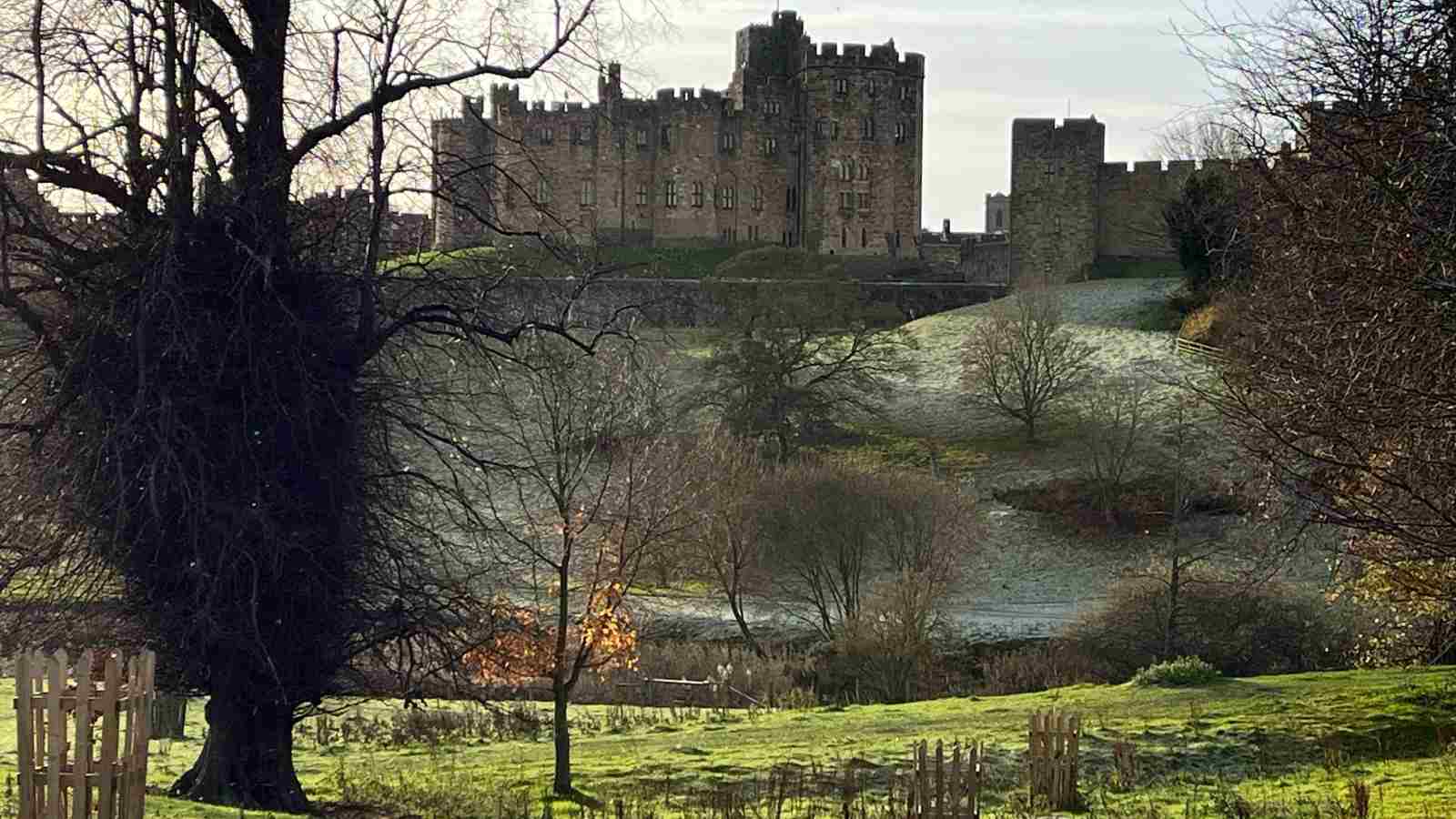
ROTHBURY (Azat TV) – A monumental £30 million bid by The Wildlife Trusts and Northumberland Wildlife Trust to purchase the sprawling Rothbury Estate in Northumberland, England, has ignited a fierce debate within the local community, with sentiments described as being as divisive as the Brexit vote. The conservation charities aim to transform the 15-square-mile estate into a thriving wildlife corridor, but their ambitious plans face strong opposition from some residents and tenant farmers who fear the impact on traditional livelihoods.
The Rothbury Estate, last sold in 1328, is currently owned by Lord Max Percy, the youngest son of the Duke of Northumberland. The Wildlife Trusts, a federation of 47 conservation charities, and its regional affiliate, Northumberland Wildlife Trust (NWT), are actively campaigning to secure the entire estate for nature restoration. They have until September of this year to raise the remaining funds needed for the acquisition.
The Divisive Rothbury Estate Acquisition
The conservation coalition has set its sights on creating a 40-mile ‘wild corridor’ stretching from the coast to Kielder and the Scottish border, with the Rothbury Estate at its heart. Their vision includes boosting local wildlife populations, restoring vital bog habitats, and promoting nature-friendly farming practices. This initiative has garnered significant public support, with over 18,000 individuals contributing, from substantial million-pound donations to children’s pocket money. High-profile figures, including Sir David Attenborough, have also lent their support, with a public appeal bringing in more than 8,000 donations globally.
Conrad Dickinson, President of the Northumberland Wildlife Trust and a renowned polar explorer, emphasized the unique nature of this opportunity, calling it a ‘once-in-thirty-years opportunity.’ He expressed deep personal connection to the Northumberland landscape, stating that if the bid fails, the estate risks being broken up. The charities have already successfully acquired one parcel of the land, the Simonside Hills, demonstrating their commitment.
Conservation Vision vs. Local Concerns
Despite the widespread support, the project has drawn sharp criticism from within the local community. Chris Armstrong, a tenant farmer with 1,000 acres near the site, is among the most vocal opponents. Armstrong questions the premise of ‘saving’ the Rothbury Estate, arguing that the area is already beautiful and well-supported by tourism. He fears that the proposed changes, which include reducing the number of sheep from 1,500 to 500 and quadrupling cattle to 200, will lead to the displacement of livestock, people, and ultimately, a decline in wildlife, contrary to the trusts’ stated goals. Armstrong stated, ‘The Rothbury Estate doesn’t need saving – saving from what?’
Adding to the ambitious conservation plans, Dr. Rob Stoneman, The Wildlife Trusts’ director of landscape recovery, has suggested the long-term prospect of reintroducing European bison to the hills above Rothbury. This species, extinct in the wild in Britain for over 6,000 years, weighs up to 920kg and falls under the Dangerous Wild Animals Act. While Dr. Stoneman noted that discussions with locals on this specific proposal have not yet taken place, he highlighted the successful reintroduction of bison into Kent woodlands as a precedent.
Funding Progress and a September Deadline
The Wildlife Trusts and Northumberland Wildlife Trust are more than a third of the way towards their £30 million target, boosted by two recent donations totaling £1.5 million. The September deadline looms large, intensifying the fundraising efforts. While the farming community largely views the initiative as a ‘folly,’ as articulated by Armstrong, other local groups have expressed strong support. The Rothbury Women’s Institute, for instance, has raised £2,000 through fundraising, with secretary Katy Nicholls emphasizing the group’s desire for more footpaths and the preservation of the hills from blanket forestry. Nicholls described the opportunity to create a 40-mile wildlife corridor and work with nature as ‘amazing.’
The ongoing effort to acquire the Rothbury Estate underscores a broader national tension between ambitious, large-scale rewilding initiatives championed by conservation bodies and the deeply rooted concerns of local communities regarding land use, economic impact, and the preservation of traditional rural identities.