
Quick Read
- Roughing the passer is a football penalty to protect quarterbacks from unwarranted harm.
- Controversial calls like those involving Carl Granderson and Virginia Tech have sparked debates about fairness.
- The rule aims to balance player safety with the physical nature of football.
- Subjective enforcement often leads to disagreements among fans and analysts.
- Roughing the passer penalties continue to shape football’s competitive and safety dynamics.
Football, an intense and physically demanding sport, is no stranger to controversies surrounding its rules and penalties. Among these, ‘roughing the passer’ penalties stand out as some of the most debated calls in the history of the game. These decisions, often made within seconds, carry significant weight, influencing not only individual plays but sometimes the outcome of entire games. To understand the importance and controversy of roughing the passer penalties, one must delve into their definition, the principles behind them, and notable incidents that have sparked heated discussions among fans, players, and analysts alike.
What Is Roughing the Passer?
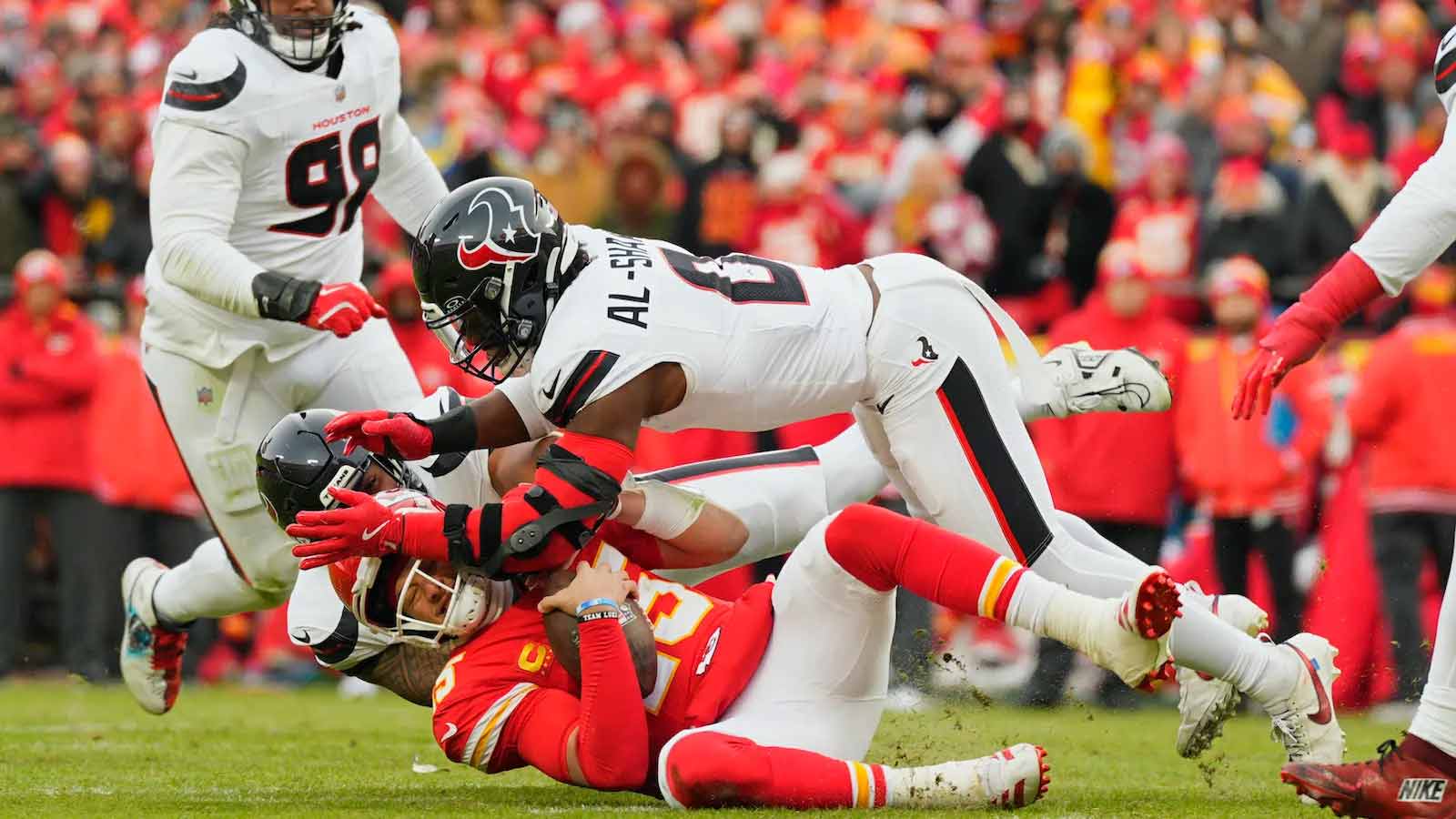
Roughing the passer is a penalty in football designed to protect the quarterback, who is often in a vulnerable position during gameplay. The quarterback serves as the central figure responsible for directing offensive plays, making them a primary target for defensive players attempting to disrupt their actions. This penalty is called when a defender makes illegal contact with the quarterback, either by hitting them late after they have thrown the ball or engaging in actions deemed excessively aggressive or unnecessary.
The rule aims to balance the physical nature of football with player safety, ensuring quarterbacks are not subjected to unwarranted harm. While the intention behind the rule is clear, its enforcement often becomes subjective, leading to varying interpretations by referees. For players and fans, this subjectivity can transform a routine play into a controversial moment.
Controversial Calls That Shaped the Narrative
Over the years, several roughing the passer penalties have sparked outrage and disbelief among football enthusiasts. A notable example involves the Saints’ Carl Granderson and the Giants’ Jaxson Dart. During what appeared to be a routine quarterback sack, Granderson’s actions were flagged as roughing the passer. Critics argued that the tackle adhered to the rules and questioned the fairness of the call, highlighting the challenges referees face in making split-second decisions.
Another infamous incident occurred during a game between Virginia Tech and Cal. With Cal trailing late in the fourth quarter, quarterback Jaron-Keawe Sagapolutele was sacked by Virginia Tech defenders Aycen Stevens and Ben Bell. Despite the quarterback still holding the ball, a flag was thrown for roughing the passer, granting Cal a first down. This decision allowed Cal to tie the game and eventually force overtime. Fans and analysts widely criticized the call, labeling it as one of the worst roughing the passer penalties in recent history.
These incidents highlight the fine line referees must tread between enforcing rules and maintaining the competitive integrity of the game. While the intent behind roughing the passer penalties is to prioritize safety, overly strict or misinterpreted enforcement can lead to frustration and controversy.
Balancing Safety and Fairness
The debate surrounding roughing the passer penalties often revolves around achieving a balance between player safety and the physical demands of football. Advocates of strict enforcement argue that quarterbacks are particularly vulnerable, requiring additional protection to prevent injuries. On the other hand, critics suggest that overly stringent rules compromise the essence of the sport, penalizing defenders for executing clean, legal tackles.
This ongoing discussion has prompted changes to the rules over time, with the league aiming to provide clearer guidelines for referees. However, even with these adjustments, the subjective nature of roughing the passer calls ensures that controversies will continue to arise. Fans, players, and analysts alike remain divided on whether these penalties enhance the game or detract from its competitive spirit.
The Legacy of Roughing the Passer Penalties
Roughing the passer penalties have undeniably shaped the modern landscape of football. These calls can alter the momentum of games, impact team strategies, and influence postseason aspirations. For quarterbacks, the rule serves as a safeguard, allowing them to perform their roles without fear of excessive harm. For defenders, however, the rule presents challenges, requiring them to adjust their approach to avoid penalties while still fulfilling their responsibilities.
Despite their controversy, roughing the passer penalties underscore the importance of balancing safety and fairness in sports. As football continues to evolve, these rules will remain a critical point of discussion, reflecting the ongoing effort to protect players while preserving the competitive nature of the game.
In conclusion, roughing the passer penalties represent a complex interplay between safety, fairness, and the essence of football. While they aim to protect quarterbacks, their subjective enforcement often leads to controversy, shaping the narrative of games and sparking debates that resonate across the sports world.