
Quick Read
- Roy Keane believes Marcus Rashford contributed to Manchester United’s inconsistent environment, not just suffered from it.
- Rashford is thriving at Barcelona but Keane insists his leadership and consistency must improve to reach world-class status.
- Djed Spence has impressed Keane with his turnaround at Tottenham, earning an England call-up and excelling in multiple positions.
- Keane’s comments highlight the critical role of player accountability and leadership in elite football.
Roy Keane Confronts Rashford’s Manchester United Narrative
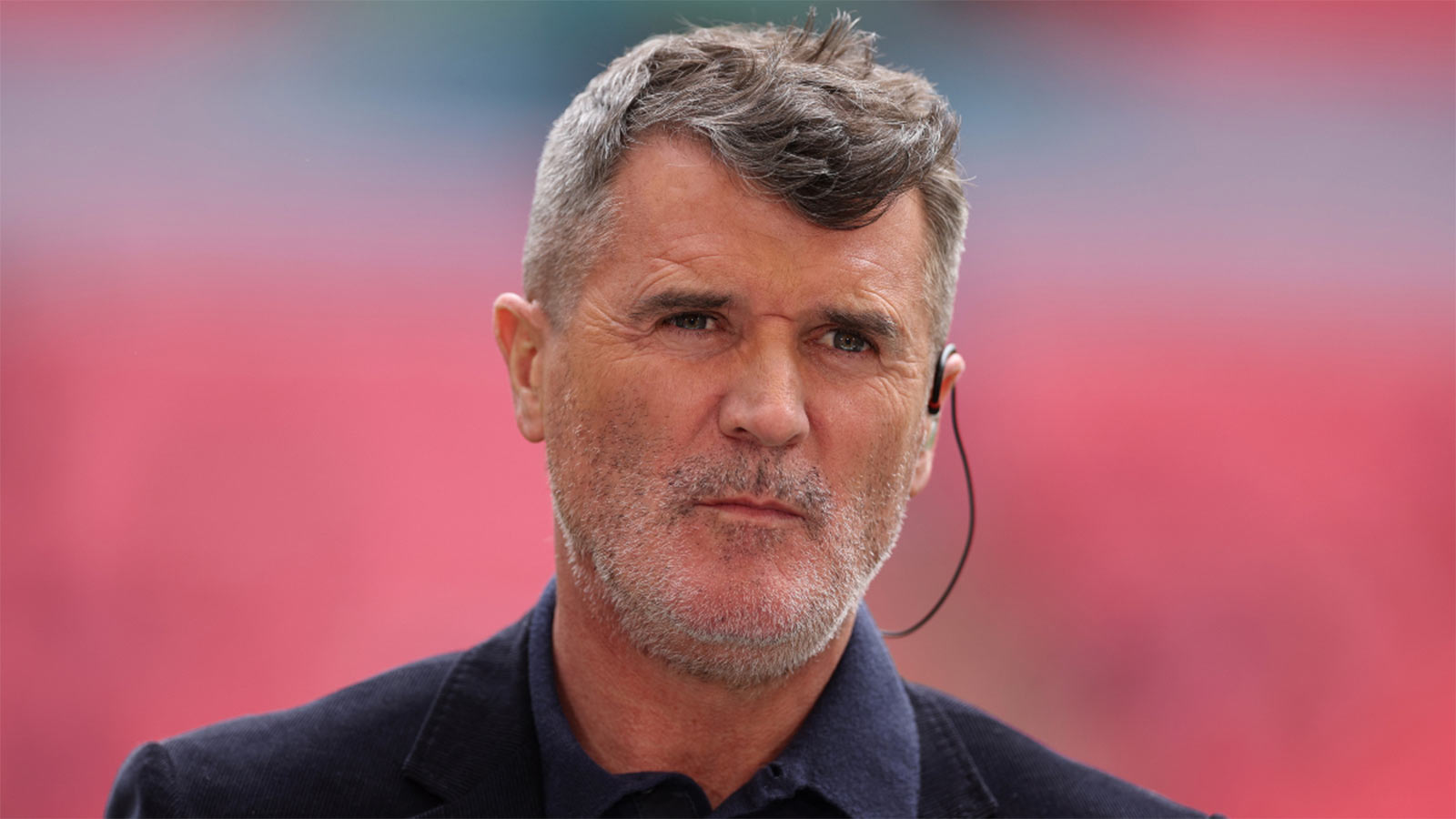
Football isn’t just about what happens on the pitch—it’s about the personalities, the locker room dynamics, and the unspoken rules that govern how players carry themselves. Few understand this better than Roy Keane, the former Manchester United captain whose reputation for blunt honesty has made his insights both feared and respected.
This week, Keane found himself responding to Marcus Rashford, who, after a high-profile loan move to Barcelona, suggested that the environment at Manchester United had stunted his consistency. Rashford, now 27, has started brightly in Spain, tallying three goals and five assists in his first ten appearances. His resurgence has kept him in Thomas Tuchel’s England squad as the team prepares for next summer’s World Cup.
But the question lingered: Was Rashford truly a victim of his surroundings at Old Trafford, or was there more to the story?
Speaking to ITV Sport before England’s qualifier against Latvia, Keane didn’t mince words. “It doesn’t help, but if you look back at Marcus’ time at United towards the end, there were obviously issues going on. He had one or two issues off the field. I think he was late for one or two meetings, on a night out in Belfast or whatever, so he was part of the problem with the environment, particularly as one of the most experienced players at United. He should have been setting the standards and showing new people at the club what it’s like to be a United player, but I think that’s been well-documented.”
Keane’s point is as much about leadership as it is about consistency. When an experienced player like Rashford fails to embody the discipline and focus expected at an elite club, it sends ripples through the squad. The environment, Keane suggests, isn’t just something a player endures—it’s something they help create.
Rashford’s Renaissance at Barcelona: Room for Growth
Rashford’s move to Barcelona marked a new chapter. Freed from the pressures of Manchester, he’s rediscovered his spark, notching eight goal involvements—including a Champions League brace against Newcastle. The change of scenery has certainly helped, but Keane remains critical of the idea that United’s environment alone was to blame for Rashford’s inconsistency.
“No doubt about his talent, he’s obviously fantastic,” Keane acknowledged. “But his stats need to improve if he wants to go up to that next level. Like Tuchel just said there, in terms of goals and assists, he has the talent, but the other thing that would have frustrated fans—not just maybe England but more United—was his body language. Not running back, not pressing properly, they’re the stuff he has to tidy up, and if he does that, there’s no reason why he can’t still become a world-class player.” (Football Insider)
It’s a nuanced critique: Rashford’s technical gifts are clear, but world-class status demands more than highlight reels. It requires a relentless commitment to team play, defensive effort, and a mentality that raises the bar for everyone else.
Competition for places is fierce. England’s 5-0 win over Latvia saw Rashford start on the bench, with Anthony Gordon impressing on the left flank. Gordon’s performance—one goal, two key passes, and an 88% pass completion rate—underscored the challenge Rashford faces in cementing his spot among England’s attacking options.
Djed Spence: Tottenham’s Unexpected Success Story
If Rashford’s journey is about reclaiming lost ground, Djed Spence’s is about proving doubters wrong. The Tottenham defender, once seen as a fringe player, has blossomed under Thomas Frank’s stewardship. Spence’s story is one of resilience: after loans to Stade Rennais, Leeds United, and Genoa, and battling injuries, he’s finally secured a starting role at Spurs.
Roy Keane, who previously questioned Spence’s defensive capabilities, now acknowledges his growth. “I wasn’t sure about him a year or two ago, and I still worry about his defensive side, but he’s maturing and taking these opportunities,” Keane told ITV 1 ahead of England’s match against Latvia. Spence’s recent form has earned him a second successive England call-up, and his versatility has been vital for Tottenham, filling in at both left-back and right-back as needed.
The statistics tell the story: Spence has been dribbled past just twice this season, maintains a pass accuracy of 81.2%, and managed a remarkable 98% pass completion in his first England start against Wales. With 16 duels won and 15 recoveries, he’s become a reliable option out wide—capable both defensively and in possession.
Spence’s transformation isn’t just a personal triumph; it’s a testament to the power of perseverance and the impact of a manager willing to offer second chances. Where Rashford’s journey has been about escaping a difficult environment, Spence’s has been about thriving in one that demanded resilience.
The Standards of Modern Football: Leadership, Accountability, and Consistency
Keane’s comments on both Rashford and Spence reflect broader truths about modern football. In elite teams, individual brilliance matters—but it’s the collective culture, shaped by leaders and sustained by hard work, that determines long-term success. Experienced players aren’t just role models; they’re the architects of the team’s ethos.
Rashford’s admission about Manchester United’s inconsistency points to a deeper issue: clubs in transition, frequent managerial changes, and shifting tactics can destabilize even the most talented individuals. But, as Keane insists, the responsibility doesn’t rest solely on the club. Players like Rashford, with years at the highest level, must lead by example.
Spence’s resurgence is a reminder that careers aren’t linear. Setbacks, doubts, and criticism are part of the journey. What matters is how a player responds—whether they seize the moment or fade away. Tottenham’s faith in Spence, and his determination to repay it, offer a blueprint for others on the fringes.
For Rashford, the path forward is clear but challenging. To achieve consistency, he must not only maintain his technical excellence but also embody the leadership and work ethic that Keane demands. The next year, with Barcelona and England, will be a defining period.
Roy Keane’s perspective cuts through the noise: in football, environments matter, but so does personal accountability. The stories of Rashford and Spence show that change is possible—but it’s leadership and self-reflection, not just a change of scenery, that truly unlock a player’s potential.
Image Credit: footballinsider247.com