
Quick Read
- Royal Caribbean shares rose on April 8, 2026, following a 17% drop in global crude oil prices.
- The company is aggressively expanding its fleet, focusing on record-sized vessels to attract a younger demographic.
- Financial analysts remain mixed on the stock’s valuation, balancing record capacity against high capital expenditure requirements.
NEW YORK (Azat TV) – Royal Caribbean Cruises Ltd. shares experienced a notable surge on April 8, 2026, as the company aggressively accelerates its fleet expansion strategy amid a favorable shift in global energy markets. The rally follows a dramatic 17% decline in crude oil prices, a development that significantly bolsters the bottom line for the cruise industry, which remains highly leveraged to fuel consumption costs.
Record Fleet Growth and the ‘Hero of the Seas’ Expansion
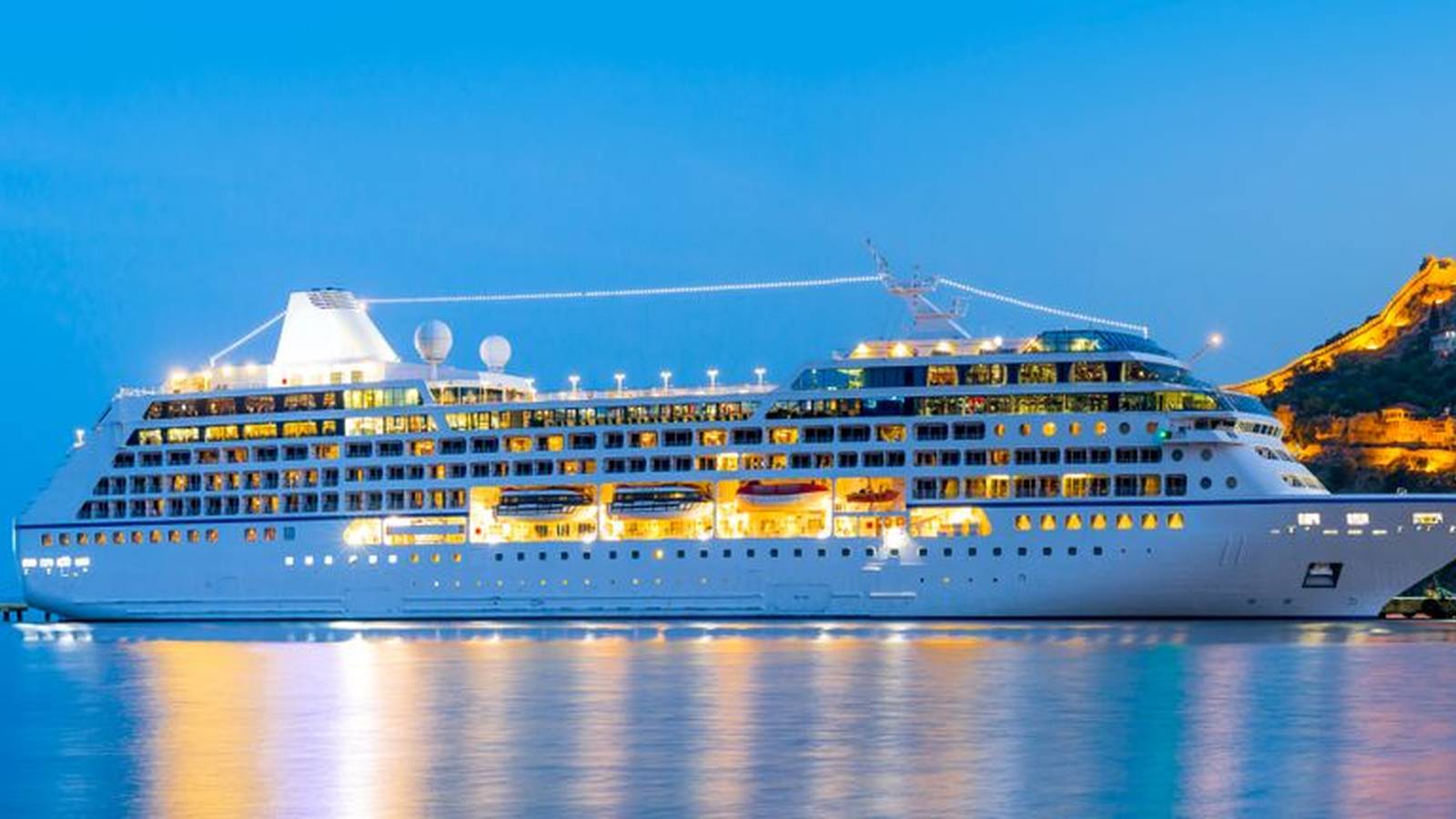
The company is currently pushing forward with the largest fleet in its history, anchored by the rapid deployment of its Icon-class vessels. Beyond the upcoming launch of the Legend of the Seas, which is set to debut in the Mediterranean this July, industry observers are closely tracking the development of the Hero of the Seas. This latest addition signifies the firm’s commitment to maintaining its market dominance in an intensifying global ‘arms race’ for the world’s largest and most amenity-rich cruise ships.
These massive investments are designed not only to boost capacity but to capture a younger demographic. By integrating high-tech entertainment and sophisticated onboard experiences, Royal Caribbean is attempting to pivot away from traditional cruise demographics, aiming to secure long-term loyalty among younger travelers who are increasingly choosing cruise vacations over land-based luxury travel.
Market Sentiment and Operational Stakes
Despite the current momentum, financial analysts remain divided on the valuation of the stock. On April 9, 2026, analysts at Morgan Stanley adjusted the price target for Royal Caribbean (NYSE: RCL) from $330.00 to $310.00, maintaining an ‘equal weight’ rating. This cautious stance contrasts with more optimistic projections from firms like Citigroup and Stifel Nicolaus, which have recently issued ‘buy’ ratings with significantly higher price targets.
The company’s ability to manage its debt-to-equity ratio, currently at 1.77, remains a critical metric for investors as it balances capital-intensive shipbuilding with the need for sustained profitability. With a market capitalization now exceeding $75 billion, Royal Caribbean’s operational success is inextricably linked to its ability to fill these record-sized ships while maintaining high net margins, which stood at 23.80% in the most recent quarter.
The confluence of plunging energy costs and record-breaking fleet capacity suggests that Royal Caribbean has successfully positioned itself to maximize yield in the short term; however, the long-term profitability of this strategy depends entirely on whether the surge in demand from younger passengers can offset the massive capital expenditures required to maintain the world’s largest cruise fleet.