
Quick Read
- Marco Rubio and Sergei Lavrov met in Malaysia amid escalating Russian strikes on Kyiv.
- The U.S. resumed military aid to Ukraine, including artillery and rocket systems.
- ASEAN summit discussions focused on Ukraine, U.S.-China tensions, and regional trade issues.
- Russian airstrikes on Kyiv killed two and injured 13 on July 10, 2025.
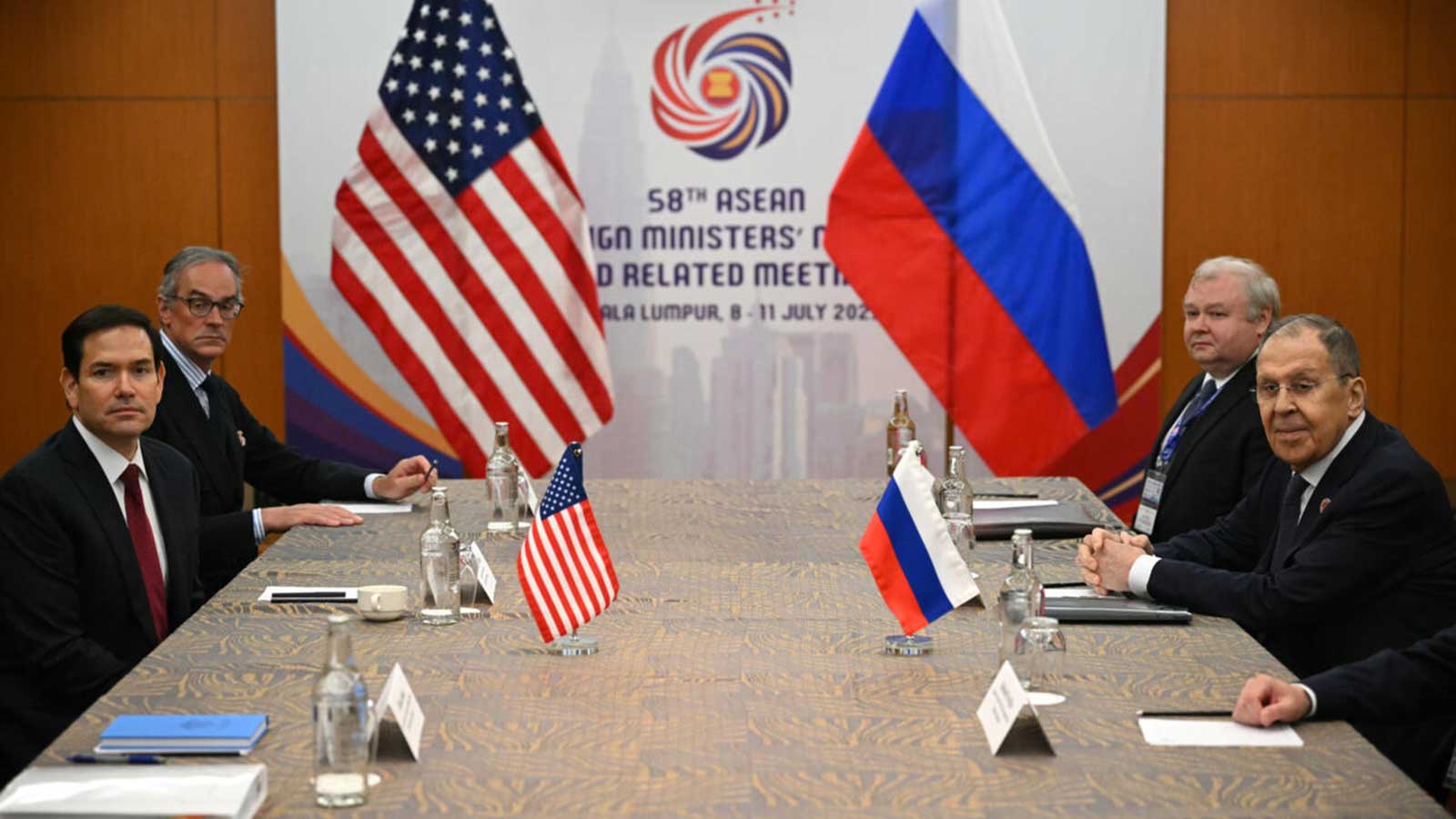
In a critical juncture for the ongoing Ukraine crisis, U.S. Secretary of State Marco Rubio and Russian Foreign Minister Sergei Lavrov met on July 10, 2025, in Kuala Lumpur, Malaysia, on the sidelines of the Association of Southeast Asian Nations (ASEAN) summit. This meeting comes amidst escalating Russian airstrikes on Ukraine, including a deadly attack on Kyiv earlier that same day, which killed two civilians and injured 13 others, according to Ukrainian officials.

High-Stakes Diplomacy Amid Rising Tensions
The meeting between Rubio and Lavrov is the second in-person encounter between the two officials since Rubio took office, following a February meeting in Saudi Arabia. The backdrop of this latest engagement is particularly fraught, as Russian President Vladimir Putin has intensified aerial assaults on Ukraine in an effort to pressure Kyiv and its Western allies into negotiations. According to DW, military experts have noted that Russia’s use of low-cost Iranian-made Shahed drones in large-scale attacks has caused significant destruction, with 10-20% of these drones bypassing Ukrainian defenses. The airstrikes have targeted civilian areas, aiming to weaken morale and force concessions.
Rubio, representing a U.S. administration under President Donald Trump that has oscillated between diplomatic overtures and military support for Ukraine, arrived in Malaysia with a dual agenda. As reported by The Moscow Times, Rubio’s trip was intended to reaffirm U.S. commitment to its allies in the Indo-Pacific while addressing the pressing issue of the Ukraine conflict. However, the meeting with Lavrov has dominated attention, given its potential implications for the war.
Renewed U.S. Support for Ukraine
Rubio’s discussions with Lavrov coincided with the resumption of U.S. military aid to Ukraine, following a temporary pause to review domestic munitions supplies. The decision to restart arms shipments was announced after President Trump expressed frustration with Putin’s lack of progress in peace negotiations. Trump, in a Cabinet meeting earlier in the week, criticized Putin’s approach, stating, “Putin is not treating human beings right.” According to AP News, the resumed aid includes artillery shells and mobile rocket systems, signaling a renewed commitment to bolstering Ukraine’s defenses.
Ukrainian President Volodymyr Zelenskyy, meanwhile, participated in a virtual meeting with leaders from Britain, France, and other allies to discuss strategies for countering Russian aggression and pursuing a ceasefire. The coalition of Western nations has emphasized the need for a unified response, even as internal divisions occasionally surface.
ASEAN Summit: Competing Priorities
While the Ukraine crisis was a central focus, Rubio’s participation in the ASEAN summit also highlighted broader geopolitical dynamics. The U.S. has been working to strengthen its presence in the Indo-Pacific region as a counterbalance to China’s growing influence. Rubio used his platform at the summit to emphasize the importance of maritime security and economic partnerships, stating, “The Indo-Pacific remains a focal point of U.S. foreign policy.” However, as The Sun Chronicle reported, Rubio faced skepticism from ASEAN members, many of whom are grappling with U.S. tariff policies that have strained relations.
Malaysian Prime Minister Anwar Ibrahim criticized the use of global trade as a “weapon” against weaker nations, a veiled reference to Trump’s tariff policies. Eight of ASEAN’s ten members face significant tariff increases if trade agreements are not reached by August 1, a situation that has complicated Rubio’s diplomatic efforts in the region. Despite these challenges, the U.S. remains focused on consolidating alliances to address shared concerns, including China’s support for Russia and its aggressive actions in the South China Sea.
Outlook and Implications
The Rubio-Lavrov meeting underscores the complexity of navigating the Ukraine conflict amid broader global tensions. While no major breakthroughs were expected, the dialogue between the two diplomats signals ongoing efforts to manage the crisis through diplomatic channels. As noted by AP News, Rubio’s challenge lies in balancing immediate responses to Russian aggression with long-term strategic goals in the Indo-Pacific.
Meanwhile, the human toll of the conflict continues to mount. The latest Russian attacks on Kyiv are a grim reminder of the stakes involved, as Ukraine faces relentless assaults on its infrastructure and civilian population. The international community’s response, from military aid to diplomatic initiatives, will be crucial in shaping the trajectory of this protracted conflict.
The meeting in Malaysia is unlikely to resolve the deep-seated issues between the U.S. and Russia, but it represents a necessary step in addressing one of the most urgent crises of our time.