
Quick Read
- Russell Martin has won just five of his sixteen matches as Rangers manager.
- Fan unrest is mounting, with criticism reaching unprecedented levels.
- Rangers have had three managers in three years, with little progress since Van Bronckhorst.
- Club leadership is under pressure to decide whether patience or change is needed.
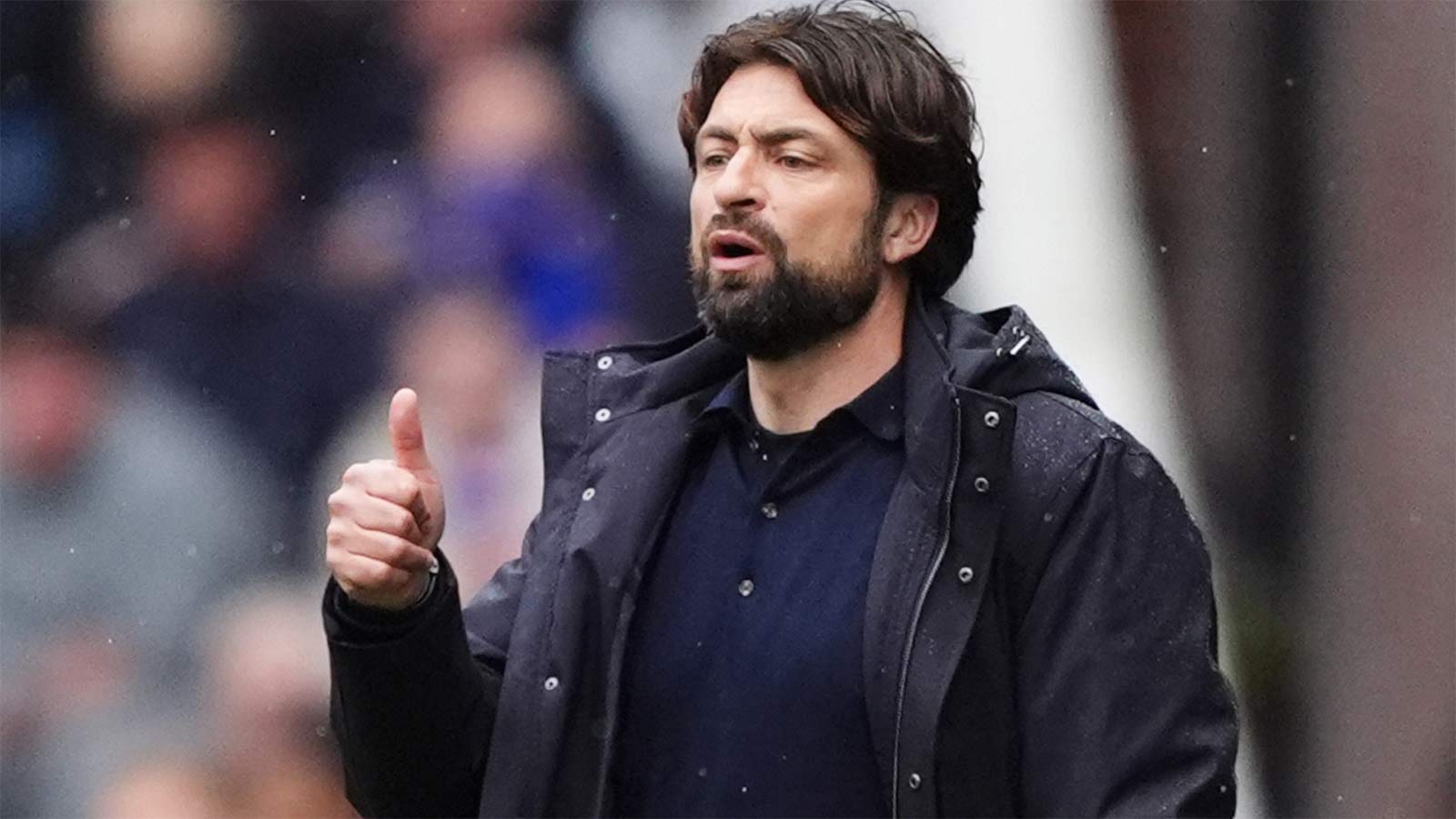
Russell Martin Under the Spotlight: Rangers’ Struggles Intensify
At Ibrox, the mood has shifted from anticipation to unease. Russell Martin, newly appointed head coach of Rangers, finds himself in the crosshairs of supporters and pundits alike. The latest setback—a 2-1 defeat to Sturm Graz in the Europa League—has only sharpened the focus on his tenure. What began as cautious optimism has turned into a whirlwind of criticism, with fans questioning not just results, but the very direction of the club.
During television coverage of the defeat, former Rangers manager Ally McCoist posed a question that echoes through the halls of Scottish football: “Why do you get rid of Giovanni van Bronckhorst?” His words, delivered with the authority of someone who has lived the highs and lows at Ibrox, cast a long shadow. Van Bronckhorst, dismissed in November 2022 after a year, had led Rangers to a European final and a long-awaited Scottish Cup triumph. In hindsight, the decision to part ways seems increasingly fraught, especially as the club wrestles with stagnation under successive managers—Michael Beale, Philippe Clement, and now Martin.
Leadership, Legacy, and Lingering Doubts
The club’s recent US-led takeover by 49er Enterprises, with Andrew Cavenagh as chairman, signaled a new era. Expectations soared. Chief executive Patrick Stewart, unveiling Martin, spoke of a vision: “We wanted a coach who will excel in how we want to play, improve our culture, develop our squad and ultimately win matches. Russell was the standout candidate.” Cavenagh added, “We believe that Russell can improve on-pitch performance while also helping build the culture and infrastructure necessary for consistent and long-term success.”
Yet, four months in, the promise of progress remains elusive. Martin’s record—just five wins from sixteen matches—has left fans restless. The cycle of hiring and firing has yielded little but frustration, with each new appointment unable to stem the tide of disappointment. The question now confronting the board is whether to persist with Martin, betting on long-term stability, or to join the chorus calling for change.
Fan Unrest and the Human Toll
For Martin, the pressure is not merely professional—it’s deeply personal. The intensity of criticism has reached unprecedented levels, enveloping both manager and squad. As former Heart of Midlothian and Dundee United head coach Robbie Neilson noted on the Scottish Football Podcast, “Things start to spiral and we’re getting to that point now where the negativity towards the manager is definitely having an effect on the players—there’s no doubt about that.” Martin, it seems, has tried to shield his squad, absorbing blame to deflect scrutiny. Yet, as Neilson warns, “It’s coming back on the players as well now because it’s got to quite an extreme stage.”
Sympathy for Martin has come from unexpected quarters. Falkirk manager John McGlynn, preparing to face Rangers, expressed concern for his counterpart. “Of course you feel sympathy for him, because you’re a human being,” McGlynn told BBC Sport Scotland. “There’s abuse and there’s going too far… Sometimes you get guys saying to you, ‘I don’t know how you do it’. But we love the game. It’s a huge part of it. I have a lot of sympathy because sometimes it’s going too far. You can’t be doing that type of thing. You shouldn’t be [having to get] escorted to training and such.”
What Next for Rangers? Reflection and Reckoning
The club’s predicament is stark. On the pitch, Rangers have managed just one league win in six games, leaving them perilously close to the bottom of the table. Off the pitch, the atmosphere is charged, with supporters divided over the path forward. The experience of Van Bronckhorst looms large—a manager who was also shown the door despite delivering memorable nights in Europe.
Some fans now wonder if the impatience that led to Van Bronckhorst’s departure was a mistake, especially as he has gone on to be valued at Liverpool under Arne Slot. Meanwhile, Rangers find themselves ensnared in a cycle of short-term fixes and dashed hopes. The lesson, as McCoist hinted, may be that change is not always the answer, particularly so early in a manager’s tenure.
As the club braces for upcoming fixtures, the stakes could not be higher. The only remedy for the current malaise, as Neilson points out, is a string of wins—six, seven, eight in a row. Yet, doubts persist about whether Martin has the squad, or the support, to turn things around. The sentiment in the stands is unforgiving, and the pressure mounts with each passing week.
For now, Rangers’ leadership has resisted calls for drastic action, holding firm in the hope that patience will pay off. But as the noise grows louder, the margin for error narrows. Martin’s future hangs in the balance, shaped by results, morale, and the club’s willingness to weather the storm.
Football, at its core, is about belief—belief in players, in managers, in the promise of tomorrow. For Russell Martin and Rangers, the coming weeks will test that belief like never before.
Rangers stand at a crossroads, their recent history a cautionary tale of impatience and upheaval. The facts suggest that quick fixes have failed to deliver progress, raising real questions about whether giving Martin more time could finally break the cycle—or simply extend the pain. With the club’s future, its culture, and its supporters’ faith on the line, the next chapter will be written not just in results, but in the choices made by those at the helm.