
Quick Read
- Russia is coordinating a final evacuation of 200 staff from the Bushehr nuclear plant due to the heightened risk of regional conflict.
- The Israeli Knesset passed a new law mandating the death penalty for terrorism, a move widely condemned as discriminatory by international human rights groups.
- Military operations in southern Lebanon and Iran continue to intensify, with over 2,000 deaths reported in Iran and significant displacement in Lebanon.
Russia has announced plans to request a temporary ceasefire from the United States and Israel to facilitate the final evacuation of approximately 200 staff members from Iran’s Bushehr nuclear power plant. The move, reported by the RIA news agency, underscores the increasing volatility of the regional conflict as the facility—a cornerstone of Iran’s nuclear infrastructure—becomes a flashpoint for potential escalation.
Bushehr Nuclear Plant as a Regional Flashpoint
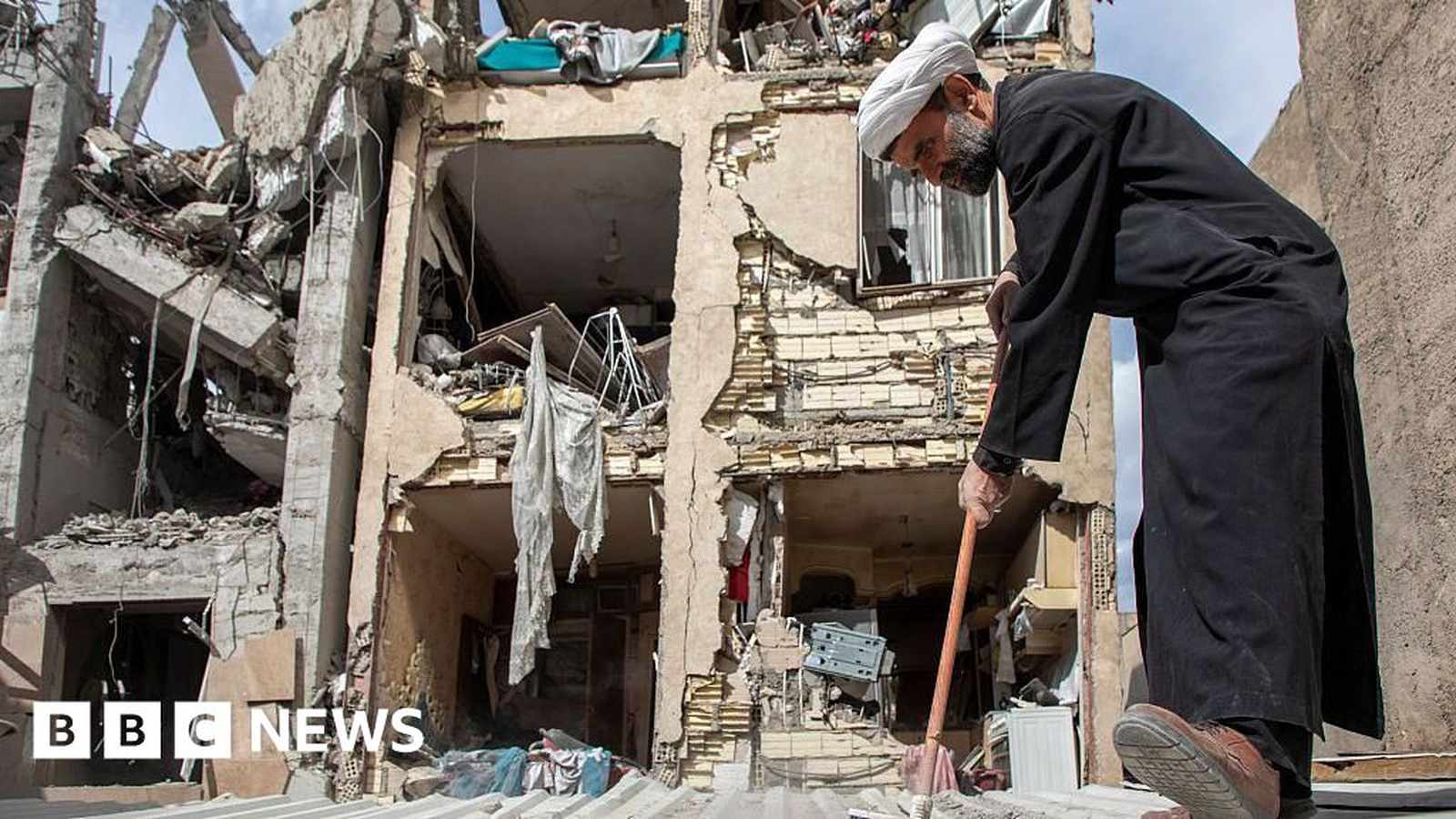
The planned evacuation, tentatively scheduled for next week, comes as US-Israeli joint strikes against Iran continue into their fifth week. The conflict has seen significant destruction, with Iran’s Health Ministry reporting over 2,000 deaths and extensive damage to critical infrastructure. The Bushehr plant, constructed with Russian support, remains a precarious site as military operations expand across the region, including heavy fighting in southern Lebanon and ongoing missile exchanges between Hezbollah and Israeli forces.
New Israeli Legislation and International Legal Pressure
Parallel to the military escalation, the Israeli Knesset recently approved a controversial bill that effectively mandates the death penalty for Palestinians convicted of terrorism in the West Bank. This legislative shift has drawn sharp condemnation from a coalition of international human rights organizations, including Amnesty International and Human Rights Watch. Critics argue the law is discriminatory, as it excludes Israeli settlers and introduces a regime of secrecy and limited legal oversight. The European Union is currently under mounting pressure to suspend the trade component of the EU-Israel Association Agreement, following a 2025 review that found Israel in breach of human rights obligations.
Shifting Geopolitical Stakes and Military Strategy
The military landscape is being further complicated by internal political fractures within Israel and shifting international alliances. While Prime Minister Benjamin Netanyahu continues to advocate for a strategy of establishing “security zones” in Gaza and southern Lebanon, political analysts note that these objectives have yet to translate into lasting stability. Simultaneously, the US political landscape is seeing vocal opposition to the scale of military involvement, with some lawmakers calling for an end to all aid. As diplomatic efforts at the UN Security Council stall due to disagreements over proposed enforcement measures, the prospect of a prolonged “perma-war” has heightened regional anxiety, leaving neighboring states increasingly wary of Israel’s long-term strategic intentions.
The frantic push to evacuate the Bushehr plant highlights the extreme risks of a conflict that has moved beyond tactical strikes into a phase where the preservation of critical nuclear infrastructure is no longer guaranteed, signaling that international actors are moving to mitigate catastrophic spillover before the theater of war widens further.