
Quick Read
– Russia insists on closed-door negotiations.
– Kremlin reviews 20-point peace plan by Kyiv and U.S.
– Key demands include NATO non-expansion and Ukraine’s neutrality.
– Zelensky publicly outlines peace proposal details.
– Moscow maintains established communication with Washington.
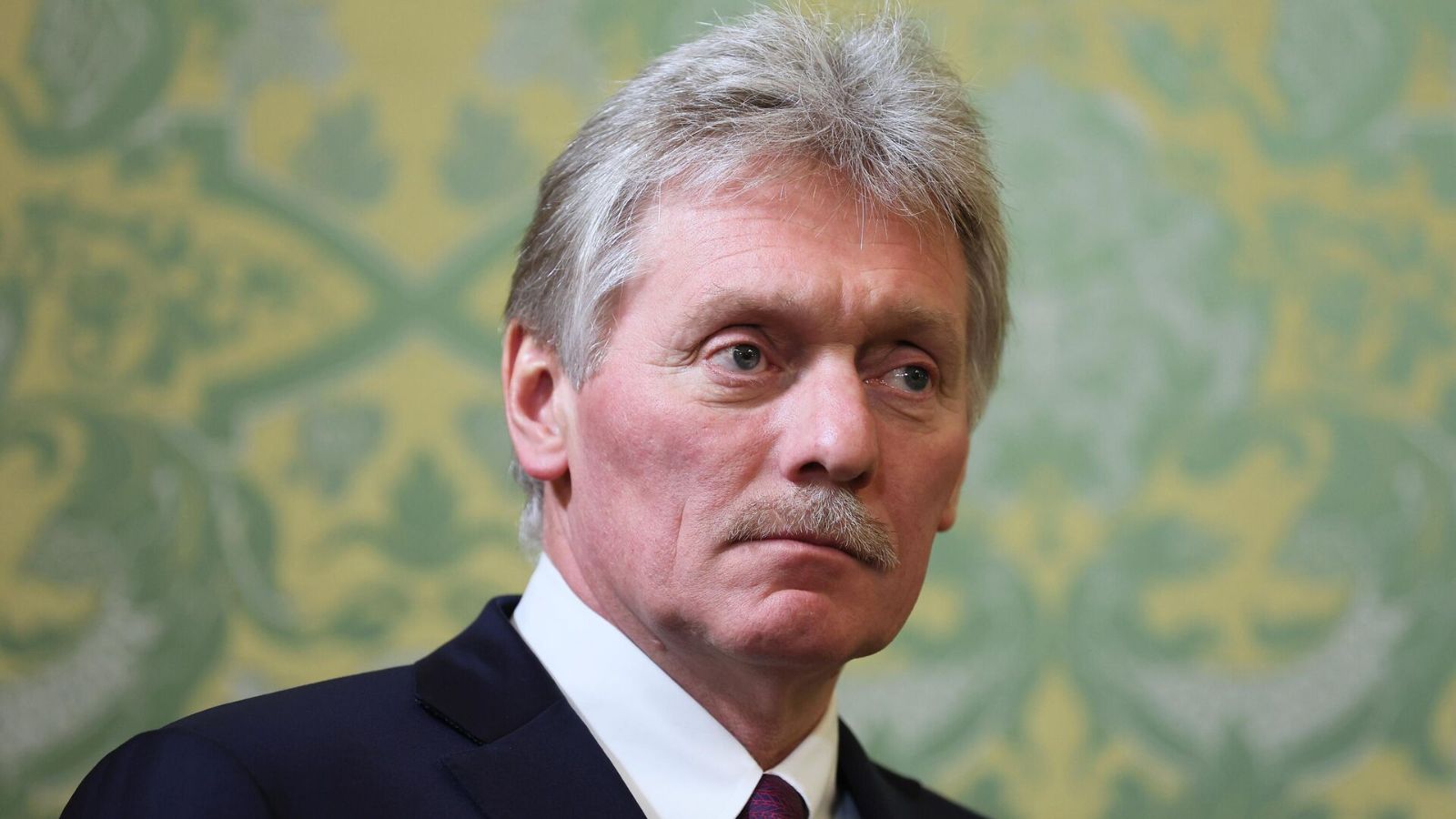
As the war in Ukraine rages on, the discussion around potential peace negotiations has been reignited. The Kremlin has made it clear that it views the 20-point peace plan proposed by Ukraine and the United States as a potential starting point for dialogue, though it insists that talks should be conducted in a closed setting. Dmitry Peskov, the spokesperson for the Russian president, stated that while Moscow is open to discussing this plan, there remain numerous unanswered questions that need to be addressed.
Ukrainian President Volodymyr Zelensky took a significant step by publicly unveiling the complete details of his peace proposal for the first time. This comprehensive document includes critical elements such as a non-aggression pact between Russia and Ukraine, the affirmation of Ukraine’s sovereignty, and assurances regarding national security. However, Russia’s preconditions pose a challenge; the Kremlin demands clear guarantees related to NATO’s expansion and insists on Ukraine maintaining a neutral status in international relations.
Peskov also disclosed that Kirill Dmitriev, Russia’s special representative, has briefed President Vladimir Putin on the outcomes of recent talks that took place in Miami. Following these discussions, the Kremlin plans to formulate its stance and continue engaging with the United States through existing communication channels. Peskov emphasized that the core parameters of Russia’s position have been communicated to their American counterparts.
The complexities of this situation highlight the challenges that lie ahead for both sides as they navigate the intricacies of peace negotiations. With Russia’s demands and Ukraine’s goals at the forefront, the path toward resolution remains fraught with uncertainties.
As the international community watches closely, the question lingers: Will these negotiations yield a sustainable peace, or are they merely a stepping stone in a prolonged conflict?
In summary, the evolving dialogue around Ukraine’s peace plan underscores the delicate balance of power and interests in the region. It reflects not only the aspirations for peace but also the geopolitical realities that continue to shape the landscape of Eastern Europe.