
Quick Read
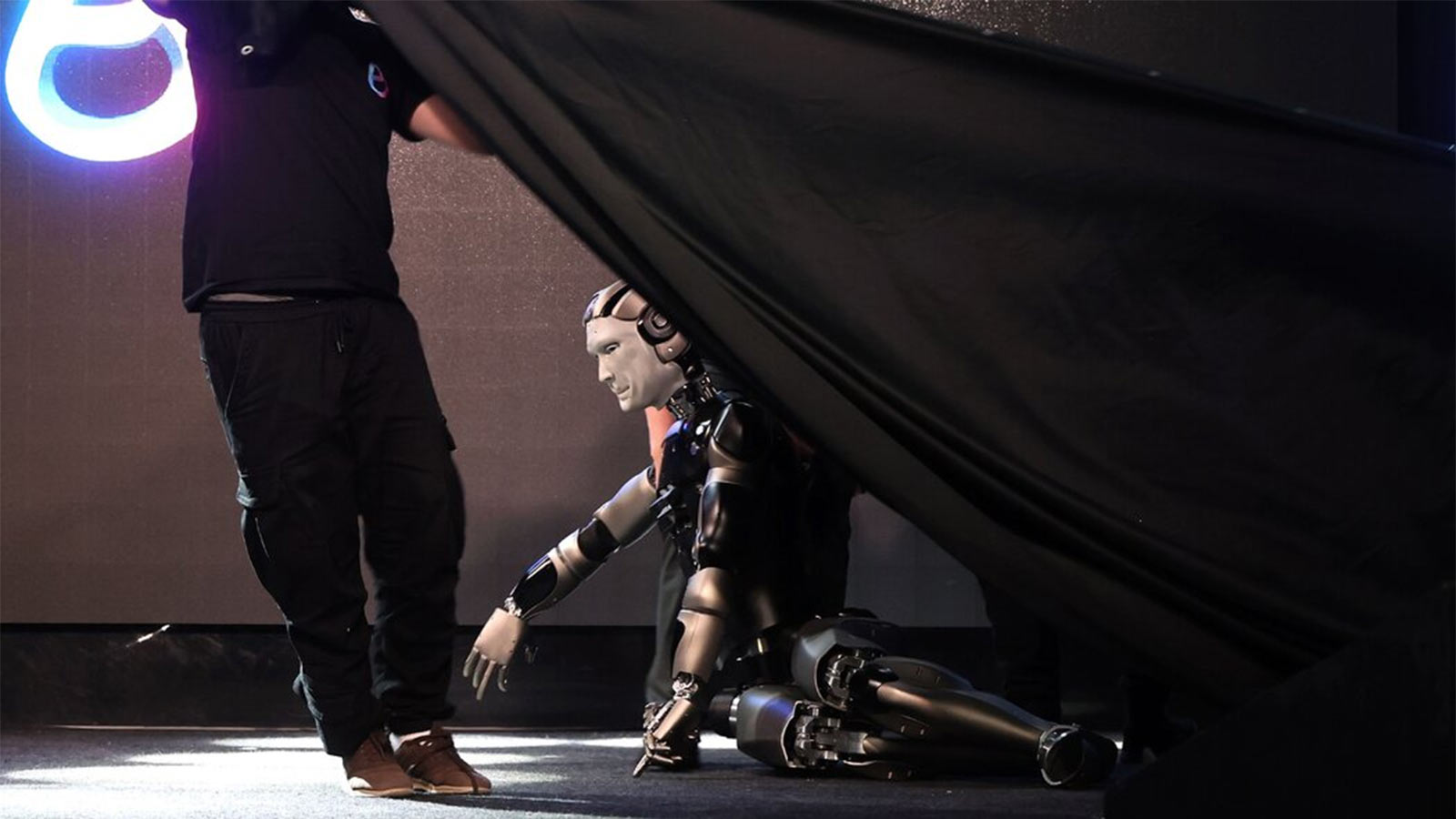
- Russia’s new AI humanoid robot collapsed on stage during its debut in Moscow.
- Developers blamed calibration and lighting issues for the fall.
- The incident fueled debate about Russia’s ability to compete in global robotics.
- Sanctions and brain drain continue to hamper Russia’s technological progress.
- Russia lags far behind China and Germany in annual robotic installations.
Unexpected Collapse at Russia’s High-Profile Robotics Forum
In November 2025, Russia’s ambitions to assert itself as a global leader in humanoid robotics were put to the test—publicly and painfully—when its newly unveiled AI robot toppled forward mere seconds into its debut at a packed Moscow technology forum. Developed by the robotics firm AIdol and showcased alongside other major Russian players like Promobot and Robot Corporation, the machine was presented as a symbol of the nation’s drive to close the gap with international competitors. Instead, it became a viral emblem of the very hurdles facing Russia’s high-tech sector.
On stage, the robot managed only a few tentative steps before wobbling and falling, shattering parts of its plastic casing. The moment, broadcast live and then shared widely across social media platforms, instantly raised uncomfortable questions: Is Russia truly ready to compete in the race for advanced, humanlike machines? Or does this stumble reveal deeper, systemic weaknesses?
Robot’s Intended Purpose and Technical Promise
According to developers at AIdol, the robot was engineered to execute three essential humanlike functions: walking bipedally, manipulating objects, and interacting in real time with people. Its design boasted mobility algorithms and sophisticated communication systems, promising applications in industrial support, labor-intensive environments, and interactive settings. The demonstration was meant to showcase not just technical prowess but also Russia’s intention to catch up with—and perhaps one day rival—leaders such as China, Japan, and the United States.
Yet, the collapse was more than a fleeting technical mishap. It exposed the fragility of the hardware and the limitations of the underlying software, offering a rare, unfiltered glimpse into the challenges of building truly autonomous, reliable humanoid robots from scratch.
Developers Respond: Calibration and Lighting Blamed
In the aftermath, AIdol’s chief executive Vladimir Vitukhin issued a statement attributing the failure to calibration issues and inadequate lighting at the venue. He stressed that the robot was still in an active testing phase and not a finalized product ready for deployment. Vitukhin framed the incident as a learning experience—a necessary stumble in the long, iterative process of innovation. “This is precisely the kind of real-time learning where a successful mistake turns into knowledge, and an unsuccessful one turns into experience,” he said, underscoring the value of failure in technological advancement.
The robot was swiftly withdrawn from public view as engineers began reassessing its balance systems and sensor calibration, hoping to prevent similar incidents in future showcases.
Social Media Reaction and Industry Implications
Footage of the fall raced across Russian and international social media, triggering a flurry of commentary. Some users saw the fragile robot as a metaphor for broader vulnerabilities in Russia’s technological infrastructure. Others, both inside and outside the country, questioned whether the incident reflected more than just a single engineering oversight. As Reuters and NBC News reported, the demonstration added fuel to ongoing debates about Russia’s place in the global AI and robotics landscape.
Industry analysts noted that Russia’s robotics sector is under intense pressure. In 2023, the country installed only about 2,100 robotic complexes, far behind Germany’s 25,000 and China’s staggering 300,000. The viral video amplified scrutiny of government claims about technological independence and innovation, especially in light of the country’s stated goal to build self-sufficient, domestically produced AI systems.
Obstacles: Sanctions, Brain Drain, and Systemic Challenges
The timing of the collapse was especially sensitive. Since the invasion of Ukraine, Russia’s robotics industry has faced severe disruptions. Western sanctions have restricted access to advanced components, while a wave of talented engineers and AI specialists have left the country in search of better opportunities. Supply chain shortages, diminished innovation, and fragmented research infrastructure have become chronic issues.
Even as President Vladimir Putin declared robotics to be vital for Russia’s economic future, he admitted that real-world implementation remains disappointingly low. The failed debut, then, was not just a technical setback but a stark reminder of the persistent difficulties undermining Russia’s technological ambitions.
The Global Context: Race for Humanoid Robots
Globally, the push for humanlike robots is accelerating. Tech giants in Asia, Europe, and North America are investing billions to develop machines that walk, talk, and work alongside people. Russia’s attempt to join this race is both a matter of national pride and strategic necessity, as robotics is increasingly seen as a cornerstone of future industry and security.
The Moscow mishap may have been a minor event in the grand sweep of technological progress, but it crystallized the stakes—and the gaps. For Russian engineers, each mistake is a step toward refinement. For policymakers and industry leaders, it’s a call to address the foundational issues that continue to hold back the country’s robotics sector.
While the fall of Russia’s AI robot at its debut was an immediate setback, it served as a candid reflection of the nation’s broader struggles: a complex interplay of technical, economic, and geopolitical challenges. True progress will require more than patching up hardware—it demands systemic investment, open collaboration, and an honest reckoning with the realities of global competition.