
Quick Read
- Ukraine’s drone strikes have disabled 17-20% of Russia’s oil refining capacity since August 2025.
- Fuel shortages and rationing have spread from Moscow to Crimea and Russia’s Far East.
- Wholesale gasoline prices in Russia have surged by up to 49% in 2025.
- Long-range Ukrainian drones hit oil pumping stations deep inside Russia, causing major fires.
- Domestic discontent and economic pressure on Putin’s regime are rising amid the crisis.
Ukrainian Drone Strikes Hit the Heart of Russia’s Oil Industry
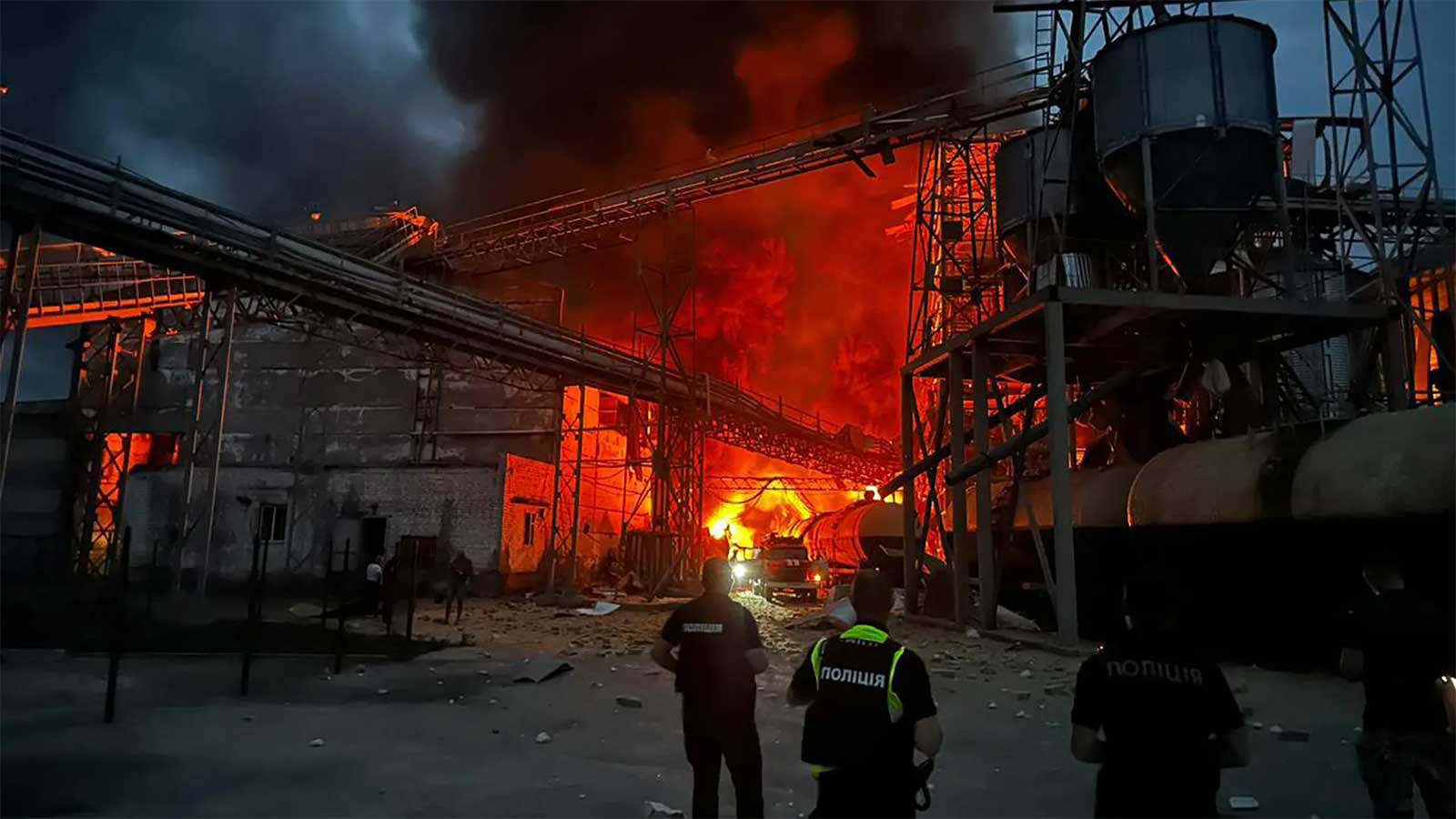
In recent months, Russia has found itself grappling with an escalating crisis: fuel shortages, soaring prices, and long lines at gas stations stretching from Moscow to the occupied territories of Crimea. The root cause? Ukraine’s relentless campaign of drone strikes targeting Russia’s oil refineries, pipelines, and pumping stations, a tactic that is now reshaping the landscape of Russia’s war economy.
On September 27, videos emerged online showing endless queues at gas stations in Sevastopol, Crimea—a stark visual testament to the reach and impact of Kyiv’s strategy. According to Krym.Realii, nearly half of the gas stations in Crimea and Sevastopol have stopped selling gasoline altogether, their supplies depleted by the disruption of Russian oil processing.
These shortages have not developed overnight. Since August 2025, Ukraine has intensified its strikes, hitting 16 out of Russia’s 38 oil refineries and disabling about 17% of the country’s refining capacity. The ripple effects have been felt nationwide: diesel exports have plummeted to their lowest levels since 2020, and fuel rationing has become a grim reality for civilians, especially in remote regions.
From Crimea to Moscow: Fuel Shortages Reveal Russian Vulnerabilities
The fuel crisis gripping Crimea is emblematic of a broader problem. Russian regions as far apart as the Far East and central oblasts have reported gasoline shortages and panic buying, underscoring how Ukraine’s “deep strike” capabilities have begun to bite into the very fabric of Russian daily life. Wholesale prices for AI-92 gasoline have jumped by 38%, while AI-95 has seen a staggering 49% increase since the beginning of 2025, The Moscow Times reports.
For Crimean residents, the shortages are more than an inconvenience—they’re a sign of shifting power dynamics. A local activist, speaking anonymously to Krym.Realii, described how the situation has deteriorated steadily over two weeks, directly linking the crisis to Ukrainian military tactics. The lines at gas stations are longer than ever; the uncertainty palpable.
Russia’s response has been swift but limited. The Kremlin has imposed strict rationing, capping gasoline and diesel sales, and even banning exports in a bid to stabilize domestic supplies. But the reality remains: the country’s once-robust energy distribution system is showing cracks under the strain of coordinated Ukrainian attacks.
Strategic Strikes Reshape Russia’s War Economy
The strategic significance of Ukraine’s oil campaign cannot be overstated. Ukrainian drones have not only disrupted refining capacity but also struck deep into Russian territory, targeting vital pumping stations and oil depots. In one of the most dramatic incidents, long-range drones from Ukraine’s Security Service (SBU) hit the Tingovatovo oil pumping station in Chuvash Republic—over 1,000 kilometers from the Ukrainian border. The attack sparked a major fire and forced a temporary shutdown of the station’s operations, according to RBC-Ukraine.
These strikes are not isolated. Coordinated operations by the SBU, Special Operations Forces, and Defense Intelligence have collectively disabled roughly 20% of Russia’s refining infrastructure. Analysts cited by The Telegraph believe that Kyiv’s tactics have emerged as one of the most effective forms of “sanctions”—acting swiftly to erode Russia’s military budget and undermine its ability to finance the ongoing conflict.
Even Russia’s key export ports have not been spared, with attacks disrupting outbound shipments and further tightening the noose around the Kremlin’s finances. The result: economic hardship, rising domestic discontent, and increasing pressure on Vladimir Putin’s regime.
Occupied Territories and Civilian Life in the Crosshairs
While the oil crisis has made headlines across Russia, occupied territories like Crimea have been hit particularly hard. Residents report not only fuel shortages but also a sense of vulnerability, as the region—illegally annexed by Russia in 2014—finds itself exposed to the same supply disruptions as Russian heartlands.
But the crisis is not limited to fuel. In Ukraine’s Zaporizhzhia region, Russian drone attacks have left thousands without electricity, damaging stores, residential buildings, and infrastructure near the city’s bus station. According to the Zaporizhzhia Regional Military Administration, nearly 9,000 households were plunged into darkness, though energy crews managed to restore most power by morning. The attacks have added to the strain on the region’s nuclear plant, which has experienced its longest blackout to date—a situation experts warn could trigger a wider catastrophe.
For civilians, daily life is marked by uncertainty. Residents scramble for essentials as shelves run bare, and emergency diesel generators become a lifeline. The specter of previous disasters, like Chernobyl, looms in the background, amplifying anxieties.
Geopolitical Tensions and the Road Ahead
The escalating oil crisis has not gone unnoticed in Moscow. Russian President Vladimir Putin, according to news.online.ua, was reportedly “shocked” by the speed and effectiveness of Ukraine’s attacks. Analysts believe that the Kremlin did not anticipate such a scenario, and its attempts to conceal the crisis have faltered as queues and shortages become impossible to hide.
As domestic discontent grows, Russia faces a stark choice: adapt its military and economic strategy, or risk further destabilization. The oil-dependent economy—once a source of strength—is now a glaring vulnerability, exposed by the precision and persistence of Ukrainian strikes.
The coming months are likely to see continued pressure. Ukraine has signaled its intent to maintain the campaign, seeking to choke off the “superprofits” that fund Russia’s war effort. For ordinary Russians and residents of occupied territories, the consequences will be felt in every empty gas tank, every blackout, and every moment spent waiting in line for fuel.
Azat TV’s assessment: Ukraine’s targeted campaign against Russia’s oil infrastructure has fundamentally altered the balance of power in the conflict, exposing systemic weaknesses and pushing economic hardship onto civilians. If the strikes continue, Russia’s ability to sustain its war economy and maintain domestic stability may face unprecedented challenges, reshaping the region’s geopolitical landscape for years to come.