
Quick Read
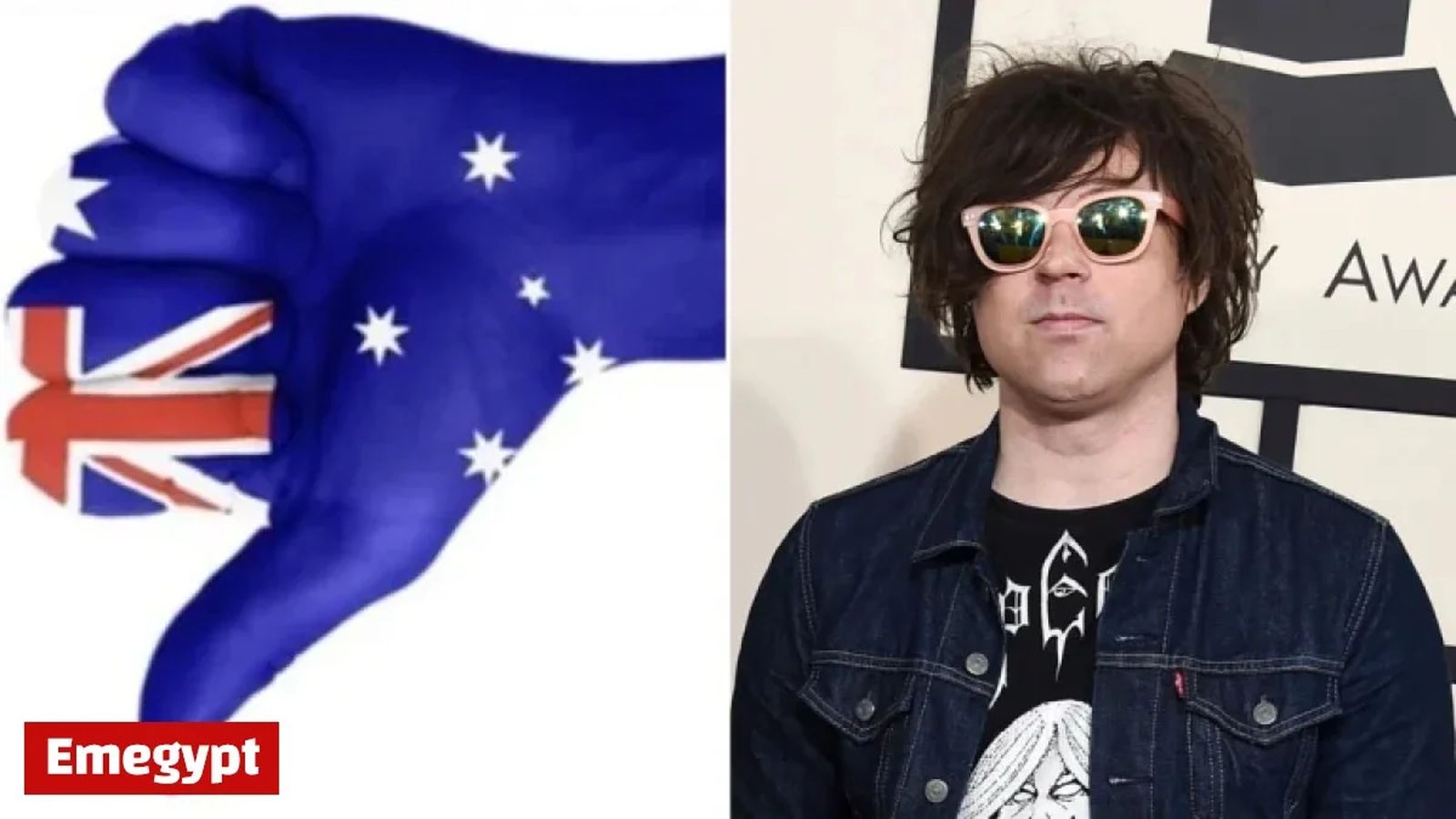
- Ryan Adams’ Australia and New Zealand tour ended in controversy and mixed fan reactions.
- He abruptly left the stage during a Melbourne concert, citing health and sensory issues.
- Adams called Australia the “worst country ever” and vowed never to return, later apologizing for his outbursts.
- Health problems, including ocular seizures and a chest cold, affected his performances.
- Arts Centre Melbourne advised dissatisfied attendees to contact the promoter for refunds.
Melbourne Concert Sparks Tour Turbulence
Ryan Adams’ 2023 tour of Australia and New Zealand was meant to be a celebration—marking the 25th anniversary of his debut solo album, “Heartbreakers.” Instead, it became a focal point for controversy, personal struggle, and public debate. The first signs of trouble emerged on October 12 in Melbourne, where Adams abruptly left the stage at Hamer Hall, leaving fans confused and disappointed. Attendees described his behavior as erratic, with some disturbed by his sudden rants. According to Reuters, audience members later expressed on social media that while Adams’ music resonated, his unpredictable conduct was unsettling.
Backlash and Health Challenges
The turbulence didn’t stop in Melbourne. Adams’ performances across New Zealand drew mixed reactions. Some fans praised his musical artistry, but many voiced concern over his condition and conduct. “The music was great, but his drunken rants indicated he needs help,” one fan wrote on Reddit. Crew members reportedly felt uneasy, and some questioned Adams’ ability to continue performing live.
Adams’ social media posts added further layers to the narrative. He shared that flashing lights from audience cameras trigger ocular seizures, leading to confusion and panic on stage. “I don’t know where I am; I panic and become disoriented,” Adams explained. Alongside these neurological issues, he battled a chest cold and a bruised sternum throughout the tour, compounding the challenges of live performance.
Controversial Statements and Apologies
As the tour concluded with a final show at Auckland’s Bruce Mason Centre, Adams posted his setlist on Instagram, calling it his “very last show overseas.” He hinted at a sense of finality with, “I might not see you again,” stirring speculation among fans about his future tours. But the controversy reached its peak when Adams, in a now-deleted social media outburst, branded Australia “the worst country ever” and criticized the local audiences as “the worst people.” This harsh judgment reshaped the public’s perception of the tour, overshadowing the anniversary celebration.
Adams later expressed regret for his behavior, especially in response to backlash from the Melbourne show. He admitted feeling “wildly embarrassed” and acknowledged that LED camera flashes overwhelmed him, causing disorientation. He apologized to fans, stating he overreacted to a persistent heckler in Sydney and struggled to manage his health and emotions under pressure. In a candid moment, Adams reassured fans that their actions weren’t to blame, but that his own condition made it difficult to cope.
Official Responses and Fan Reactions
In light of the complaints, Arts Centre Melbourne issued a formal statement, emphasizing that audience feedback was taken seriously and advising those seeking refunds to contact the event promoter directly. The response signaled recognition of the fans’ disappointment, but also underscored the complexities of live performance when health issues are at play.
Online, fans debated Adams’ conduct and the responsibility of artists to maintain professionalism despite personal challenges. Some defended his right to express vulnerability, while others felt let down by his approach to the tour and his remarks about Australia. The incident sparked wider conversation about the pressures musicians face, especially when touring far from home and under challenging circumstances.
Future Prospects: Music, Literature, and Uncertainty
Despite the turmoil, Adams closed his tour with a note of resilience. He promised to continue making music and writing books for his fans, even as he signaled the possibility of stepping away from international performances. “I might not see you again, but I’ll keep making these records and books because I love it,” Adams said, leaving followers pondering whether his overseas touring days are truly over.
The aftermath of this tour has left Adams’ fanbase divided. Some hope for a positive turnaround in his health and artistry, while others remain skeptical of his ability to return to the stage with renewed energy and professionalism. The story is a reminder that the line between public persona and private struggle can blur rapidly, especially in the digital age where every outburst and apology is magnified.
Ryan Adams’ Australia and New Zealand tour is a stark illustration of how personal health, public expectations, and the immediacy of social media can converge to redefine a musician’s trajectory. As Adams faces an uncertain future, the lessons from this tour may prompt both fans and artists to rethink what they expect—and accept—when the spotlight turns harsh.