
Quick Read
- Ryan Couchman appeared before the NRL Judiciary on March 24 following a hip-drop tackle on J’maine Hopgood.
- The player entered a guilty plea to the dangerous contact charge, shifting the hearing’s focus to the length of his suspension.
- NRL counsel is seeking a four-match ban to deter future hip-drop tackles, while the defense is arguing for a three-match penalty based on comparative case law.
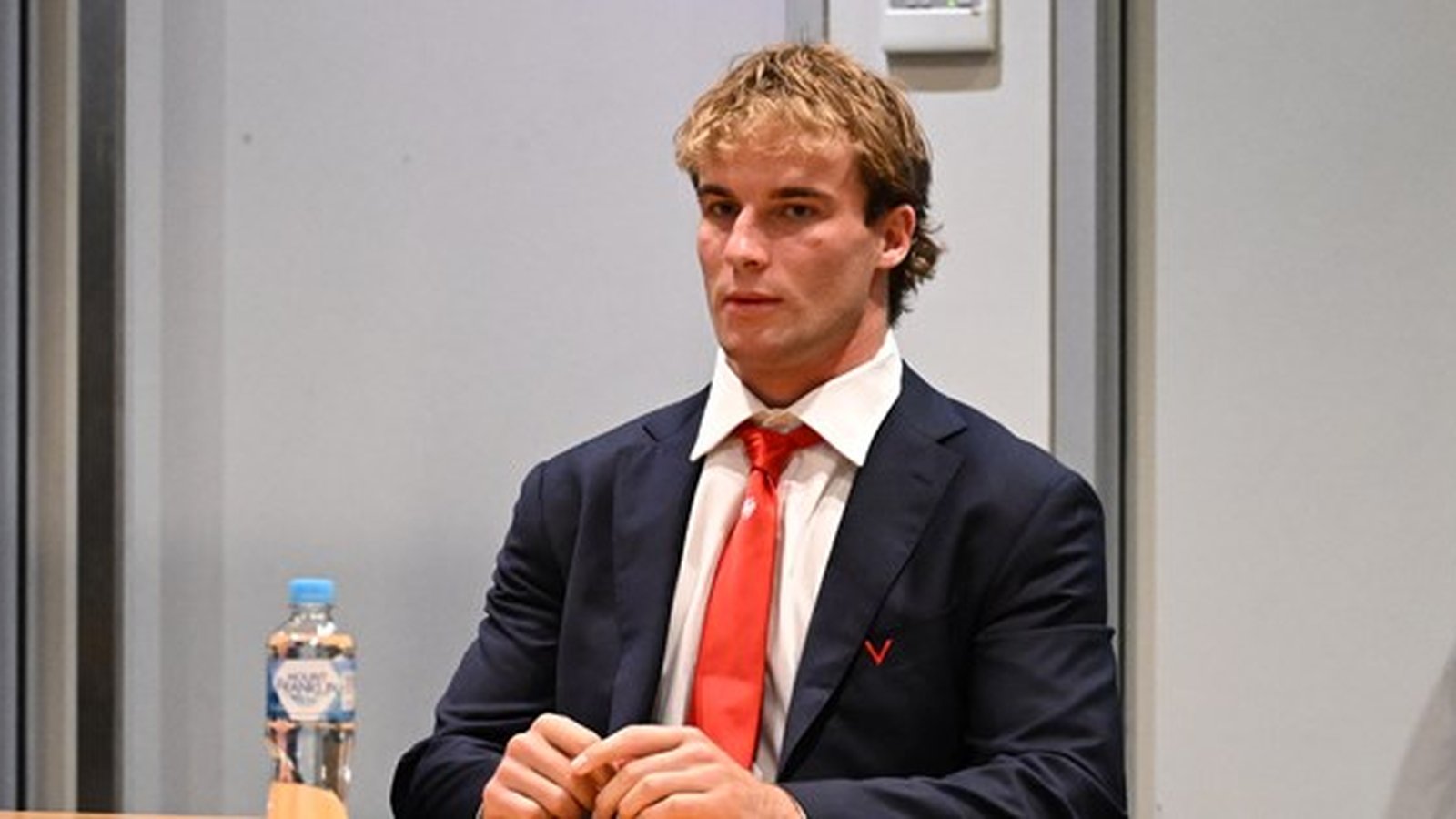
St George Illawarra Dragons forward Ryan Couchman appeared before the NRL Judiciary on Tuesday, March 24, 2026, to contest the severity of a suspension following a dangerous contact charge. The hearing, which centered on a hip-drop tackle performed on Parramatta Eels player J’maine Hopgood during Sunday’s match at CommBank Stadium, concluded with the panel deliberating a potential three-to-four-match ban.
The Judiciary Battle Over Hip-Drop Tackles
Couchman entered a guilty plea for the dangerous contact charge, acknowledging the tackle caused an injury that left Hopgood clutching his knee. During the proceedings, NRL counsel Gyles pushed for a four-match suspension, arguing that a significant deterrent is required to curb the prevalence of hip-drop tackles in the game. Gyles contended that Couchman had a responsibility to abandon the tackle once his balance was compromised, stating that the action posed a high risk of injury to the opponent.
Defense Strategy and Comparative Precedents
Representing the Dragons forward, defense counsel Nick Ghabar argued for a lighter three-match penalty. Ghabar sought to distinguish the current incident from more severe cases, referencing the 2024 tackle by Manly forward Tof Sipley—which resulted in a broken leg—to argue that Couchman’s actions were a miscalculation rather than a violent or reckless maneuver. Supporting the defense, three character references were submitted, including those from former Wests Tigers coach Mick Potter and former Origin prop Tim Grant.
Couchman’s Testimony and Regret
In his testimony, Couchman expressed remorse for the incident, explaining that he lost his grip and balance during the tackle. He stated that his primary intention was to complete the defensive play rather than inflict harm, noting that he had checked on Hopgood’s condition after the game. The player emphasized that he did not intend to land on the Eels forward’s legs, labeling the event a clumsy mistake rather than an intentional act of foul play.
The outcome of this hearing represents a critical test for the NRL’s disciplinary framework, as the league continues to balance the necessity of player protection against the inherent physical intensity of professional rugby league, with the panel’s final decision likely to set a tone for how future hip-drop incidents are adjudicated throughout the 2026 season.