
Quick Read
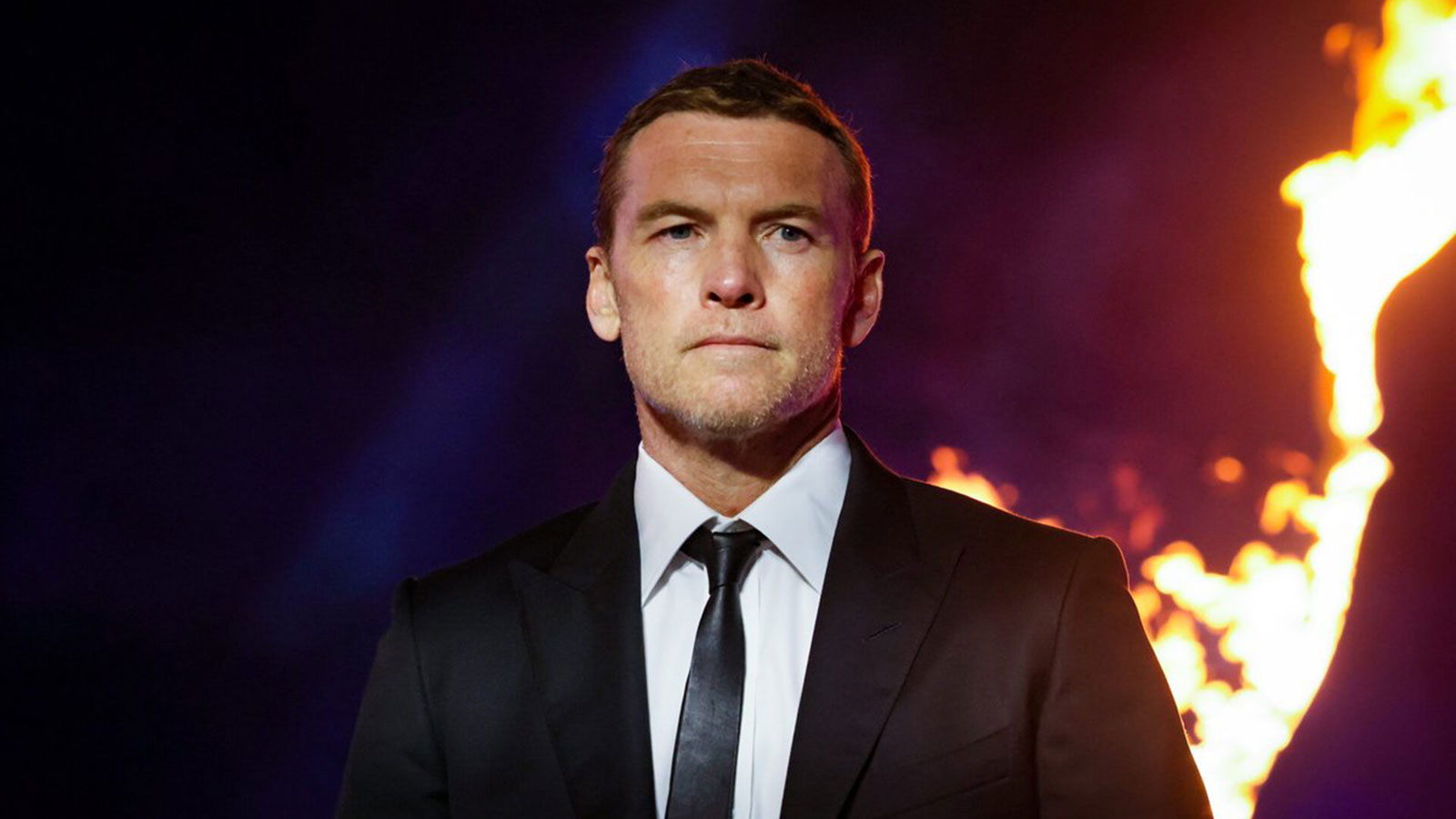
- Sam Worthington describes Avatar: Fire and Ash as having a strong sense of finality.
- The film surpassed $200 million at the North American box office within ten days.
- Director James Cameron may step away from the franchise if the film doesn’t perform as hoped.
In the world of cinematic epics, few names carry the weight that Sam Worthington does when it comes to the Avatar franchise. As Jake Sully, Worthington has been the human heartbeat at the center of Pandora’s sweeping conflicts, and now, with the release of Avatar: Fire and Ash, he finds himself at the crossroads of blockbuster achievement and looming uncertainty.
Fire and Ash, the third entry in James Cameron’s visually dazzling saga, has stormed global box offices. The numbers alone are staggering: the film crossed the $200 million mark in North America within ten days of release (KoiMoi), and its worldwide total reached $217.6 million during the final weekend of 2025 (Prestige Online, Tuoi Tre News). This is more than just commercial success—it’s a testament to the enduring draw of Pandora’s story, especially as audiences flock to see Worthington and co-star Zoe Saldaña (Neytiri) face new threats to their family on the alien moon.
But behind the scenes, the future of Avatar hangs in the balance. Director James Cameron, long considered the franchise’s unwavering visionary, recently signaled he may step away if Fire and Ash doesn’t meet expectations. Speaking with The Hollywood Reporter, Worthington echoed Cameron’s sentiment, stressing that nothing is guaranteed beyond this chapter. “I think Jim is right. You’re after a movie that… Your hope is that it connects,” Worthington reflected. He described Fire and Ash as carrying a strong sense of finality, almost as if the saga’s threads are weaving toward their last knot.
What does this mean for fans? While plans for fourth and fifth installments have been public knowledge for years, Worthington’s words suggest that Fire and Ash was always intended to be a climactic battle. The stakes, both narrative and commercial, have rarely felt higher. Cameron’s willingness to walk away if the film falters is not just a director’s bluff—it’s a reminder that even tentpole franchises are subject to the audience’s verdict.
The film itself delivers on spectacle and emotion. Worthington’s Jake Sully, an ex-Marine who defected to the Na’vi, faces off against old nemesis Colonel Miles Quaritch (Stephen Lang), now allied with the villainous Ash clan led by Varang (Oona Chaplin). The ensemble cast, packed with returning stars and fresh faces like Britain Dalton, Jack Champion, Sigourney Weaver, Bailey Bass, Kate Winslet, and Edie Falco, injects new energy into Pandora’s mythos (Feature First).
Box office analysts have been quick to note Fire and Ash’s staying power. The film’s second weekend drop was a mere 15%, an almost unheard-of figure for blockbusters and a sign of enthusiastic word-of-mouth (Feature First). For comparison, Avatar: The Way of Water saw a steeper decline, making Fire and Ash a rare beast in the world of sequels—one with legs. Some projections now see a $2 billion worldwide gross as possible, far outpacing earlier estimates.
The competition at the box office has been fierce, yet Fire and Ash remains unshaken atop the charts. Disney’s Zootopia 2 and Timothee Chalamet’s Marty Supreme trail far behind, while new entries like The Housemaid and Anaconda barely make a dent. Critics and audiences alike have responded with praise, with the film’s CinemaScore standing tall and reviews calling it a “sensational” entry (Prestige Online, Tuoi Tre News).
Yet, amid all the fanfare, Worthington’s perspective adds a note of humility. He’s clear-eyed about the film’s role in the Avatar legacy and the risk inherent in every sequel. “Your hope is that it connects,” he repeats—a simple wish that feels weighty, considering the cultural impact the franchise has had over nearly two decades. For Worthington, the journey is not just about box office receipts, but about delivering a story that resonates, that brings closure, or perhaps opens the door for new adventures if the stars align.
So, as 2025 draws to a close, the fate of Avatar rests not just in the hands of its creators, but in those of its audience. Sam Worthington’s candid remarks remind us that even the grandest stories are subject to change, shaped by both creative ambition and public response. Fire and Ash might be the final battle—or the beginning of another era, should fans demand it.
Sam Worthington’s frank assessment of Avatar’s uncertain future demonstrates how even the most iconic film franchises depend on audience connection. His grounded approach highlights the fragile balance between artistic vision and commercial reality, making Fire and Ash not just a blockbuster, but a litmus test for the enduring power of cinematic storytelling.