
Quick Read
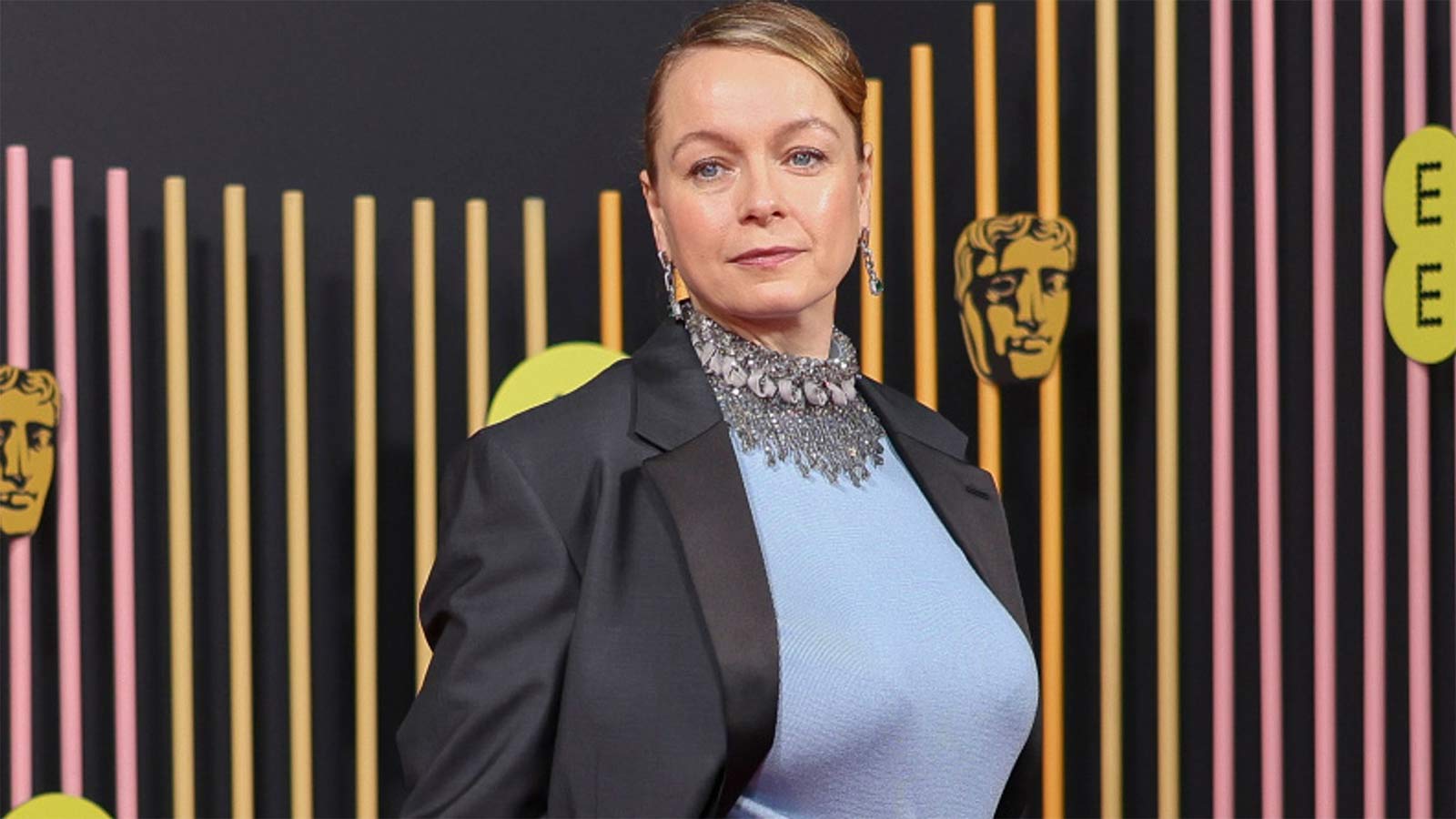
- Samantha Morton, Oscar-nominated actor and director, grew up in the UK care system and has called for manslaughter charges against councils failing children in care.
- Morton’s comments follow the death of Nonita Grabovskyte, 18, who died by suicide after warning authorities of her intentions.
- The Department for Education only started collecting data on care leavers aged 22 to 25 in 2023, suggesting underreporting of deaths.
- Education Secretary Bridget Phillipson admitted current failures ‘shame us all’ and has called for an urgent review of reporting processes.
- Support is available for those affected via Samaritans (116 123, www.samaritans.org).
Samantha Morton’s Bold Call: Accountability for Lost Children
In the heart of Britain’s ongoing debate over the future of its child care system, Samantha Morton stands out—not just as an acclaimed actor and director, but as a survivor of the very system she now seeks to reform. Her recent call for manslaughter charges against councils who fail children in their care has sparked a new wave of urgency and soul-searching among officials, care professionals, and the public alike.
Morton’s words, delivered in a candid interview with Sky News, are more than just a personal plea. They echo the pain and frustration of thousands of care-experienced individuals, and—tragically—the families of those who didn’t make it out alive. The story that brought this issue to national attention is that of Nonita Grabovskyte, an 18-year-old who died by suicide in December 2023 after a series of missed warnings and institutional failures.
Nonita’s Story: A Tragic Reflection of Systemic Failures
Nonita’s death was not a sudden or unpredictable tragedy. According to the Sky News documentary “A Girl Called Nonita,” she had repeatedly told medical professionals and social workers of her intention to end her life upon turning 18—the age at which state responsibility for her welfare would end. Yet, despite these clear warnings, no meaningful intervention was made.
Morton relates deeply to Nonita’s experience. “I was a child of the state, just like Nonita,” she recalls. Her own journey through care began at birth and ended abruptly at sixteen, when she was discharged from the system and placed in a homeless hostel. These formative years, marked by instability and neglect, have shaped her understanding of the system’s shortcomings. “The lack of care historically is shocking,” Morton says. “But the lack of care today is worse. Back then, it felt like there was at least some comeuppance.”
What’s changed? Morton argues the current system is “not fit for purpose” and calls for a complete overhaul—a “root and branch reform.” Recent data backs up her concerns: deaths among care leavers—young adults expected to transition to independent living—have sharply increased. Notably, the Department for Education only began collecting data on care leavers aged 22 to 25 in 2023, suggesting that previous years’ statistics likely underrepresent the true scale of the crisis.
Demanding Accountability: Is ‘State Manslaughter’ the Answer?
Morton’s central argument is that councils should face manslaughter charges if their failings directly contribute to the deaths of children in care. “A failure to care has massive consequences,” she tells Sky News. “And the consequences are that people like Nonita die. I believe that that is a kind of state manslaughter.” For Morton, this isn’t just about abstract policy; it’s about real lives lost due to systemic negligence. She calls for individuals responsible for such failings to be brought before the courts.
Her stance has found resonance among some policymakers. Education Secretary Bridget Phillipson admitted in the same interview that the deaths of care-experienced young people “shame us all.” She further revealed that all deaths of children in state care must be reported through the Child Safeguarding Incident Notification Scheme, but there are ongoing doubts about the completeness and accuracy of this reporting. Phillipson has asked officials to urgently review the process to check for underreporting, emphasizing the need for transparency in order to provide proper support.
“It shames us all as a country that we so badly fail many of the most vulnerable children who’ve experienced such appalling trauma and abuse in their early lives,” Phillipson said. “Every case is a child or young person who deserved better.”
Behind the Statistics: The Human Cost of Neglect
For many, the care system’s failures are more than numbers—they’re lived realities. Morton’s own journey, from the chaos of care to the uncertainty of homelessness, is mirrored by countless others. The transition from care to independent living, often at a tender age, can be abrupt and unsupported, leaving young adults vulnerable to poverty, mental health crises, and—tragically—death.
Official figures are sobering, but likely incomplete. The Department for Education’s recent expansion of data collection to include care leavers up to age 25 is a step forward, but it also reveals how much has been overlooked. Without comprehensive data, policymakers and advocates face an uphill battle in understanding—and addressing—the true scope of the problem.
Morton’s demand for accountability raises uncomfortable questions. Should institutions and individuals entrusted with children’s welfare face criminal charges when their failures lead to preventable deaths? What level of oversight and intervention is required to ensure that no child is left behind, and that those responsible are held to account?
Calls for Reform: What Comes Next?
Morton’s call is not merely for justice in individual cases; it’s a rallying cry for systemic change. She envisions a care system that prioritizes children’s needs, provides ongoing support, and enforces accountability at every level. Her advocacy has reignited public and political debate, pushing the government to scrutinize its processes and confront uncomfortable truths.
Phillipson’s pledge to personally review every notification of a child’s death in care is a sign of growing official awareness. But for Morton and others who have lived through the system’s failures, words must translate into action. The challenge is immense: reforming entrenched practices, ensuring meaningful oversight, and rebuilding trust with the most vulnerable members of society.
In the meantime, support remains available for those affected by these issues. Organizations like Samaritans offer confidential help to anyone struggling with mental health or crisis. Their services, available 24/7, serve as a lifeline for those left behind by the system.
The debate over accountability in Britain’s care system is far from over. Morton’s voice, grounded in lived experience and unflinching honesty, has brought new urgency to the discussion. The question now is whether the system—and those who govern it—will rise to meet the challenge.
Morton’s intervention marks a pivotal moment in the national conversation about child welfare. Her insistence on criminal accountability for institutional neglect is both radical and necessary, shining a light on the urgent need for comprehensive reform and unwavering responsibility within the UK care system.