
Quick Read
- Samsung Galaxy XR headset launched at $1,799.99, half the price of Apple Vision Pro.
- Lightweight design (545g), external battery pack, and adjustable strap prioritize comfort.
- Dual 4K micro-OLED displays deliver combined 8K visuals; supports 3D photo spatialization and AI-powered features via Gemini.
- Best suited for stationary use; lacks walk-around and travel modes present in some competitors.
- Early buyers receive an Explorer Pack with premium subscriptions and apps worth $1,000.
Samsung Galaxy XR: A New Chapter in Extended Reality
After nearly a year of speculation and anticipation, Samsung has finally unveiled the Galaxy XR headset. With a price tag of $1,799.99, it’s positioned as a premium device—yet notably more accessible than its main rival, Apple’s Vision Pro. But what does this new headset actually offer, and does it live up to the hype?
First Impressions: Comfort, Design, and Practicality
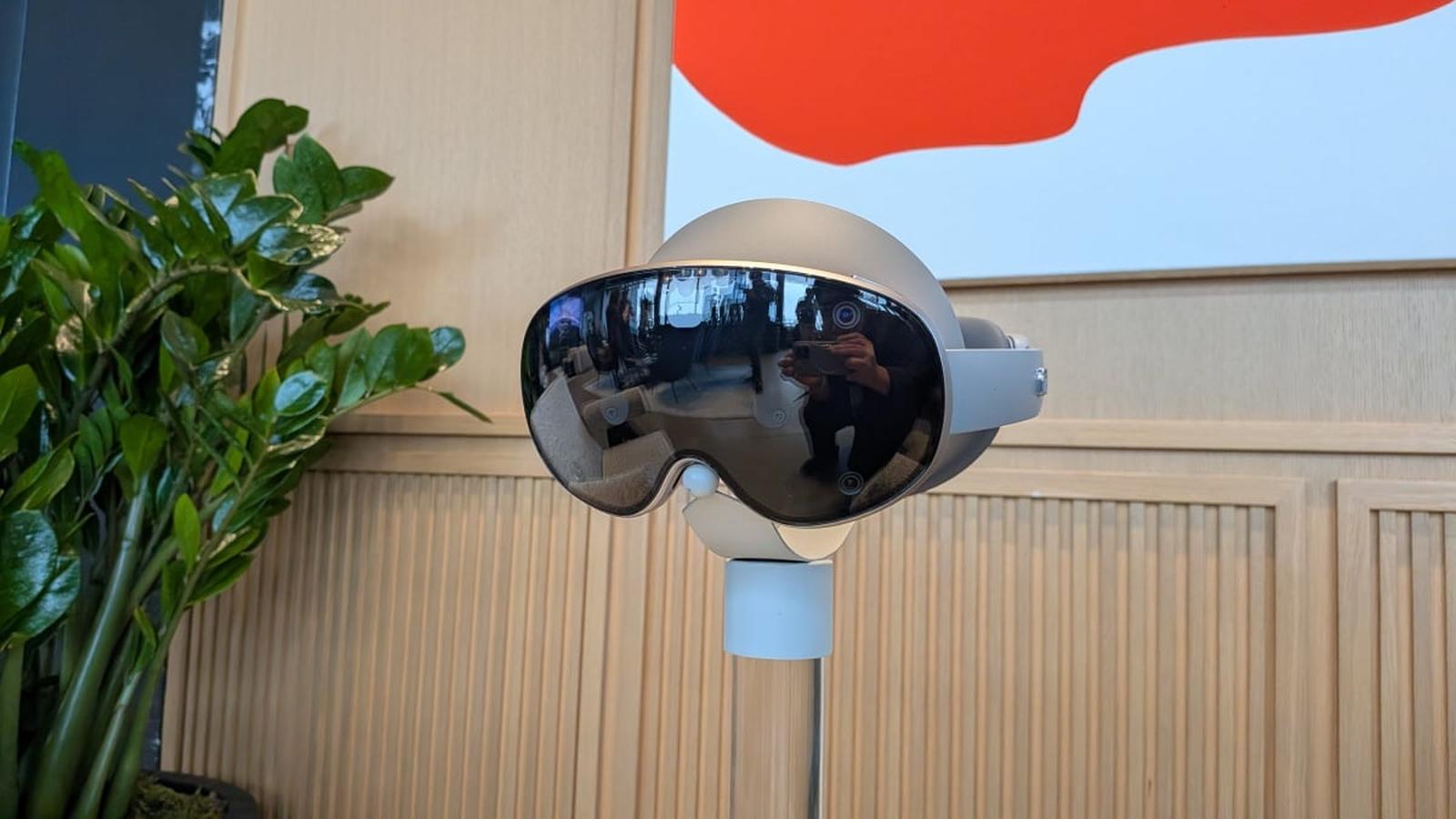
Getting hands-on with the Galaxy XR reveals a device built with user comfort in mind. At just 545 grams, it’s lighter than both the original Vision Pro and its updated M5 version. Samsung’s adjustable strap and thick head cushion make extended wear surprisingly pleasant—even for those with longer hair or ponytails. The weight distribution feels natural, and the external battery pack (302 grams) slips easily into a pocket, alleviating the bulk that might otherwise detract from the experience.
Controls are intuitive: a touch-sensitive strip on the side, action button on the top, and volume rocker on the other. Most navigation, though, is accomplished with hand gestures—a pinch in the air to select, palm up for the main menu. For those less comfortable with gestures, optional controllers are available, echoing Meta’s approach but at an extra cost.
Visuals and Sound: Immersion at 8K
Inside, dual micro-OLED displays deliver a combined 8K resolution (1,552 x 3,840 per eye). That’s nearly 29 million pixels, with a pixel density surpassing Apple’s Vision Pro. The field of view is wide (109° horizontal, 100° vertical), and color accuracy is outstanding. The 90Hz refresh rate is solid, though Apple’s Vision Pro edges it out with 120Hz for slightly smoother visuals.
Audio is equally robust, with dual speakers (woofer and tweeter) and six microphones with beamforming for clear voice interaction. Eye-tracking cameras and iris recognition add layers of security and allow for expressive avatars—initially cartoon-like, but expected to become more realistic with updates.
AI at the Core: Gemini Powers the Experience
The Galaxy XR is the first headset to run on Google’s Android XR platform, with Gemini AI deeply integrated. This partnership brings context-aware voice commands, real-time information overlays, and spatialized content. For example, Google Photos can transform 2D images into 3D scenes, giving depth and even colorizing old black-and-white photos. While some results evoke the uncanny valley, the “wow” factor is undeniable.
YouTube integration is equally forward-thinking. Users can edit videos, add spatial effects, and upload them in formats optimized for XR viewing. AI can spatialize existing 2D videos, though the results aren’t always perfect—hair movement and complex backgrounds sometimes trip up the algorithms.
Other supported apps include Google Maps (with immersive 3D navigation), Adobe’s Project Pulsar for creative editing, and even live sports viewing enhanced by AI. Pairing a Bluetooth keyboard and mouse allows for productivity within the virtual environment, making the headset more than just a toy for gaming or media consumption.
Features, Limitations, and the Big Question
Battery life stands at two hours for general use, or 2.5 hours for video playback. Charging during use is possible, but the limitation remains notable, especially for longer sessions. At launch, the headset is best suited for stationary environments—sitting on a couch, for example. Unlike the Vision Pro, users cannot walk around or “pin” apps throughout their physical space, nor use the device in travel mode (on an airplane or car). This omission restricts versatility and may leave some users wanting more.
Another challenge is content. While the Google Play Store will feature “spatialized” apps, most existing apps run in 2D windows. AI does an admirable job of filling gaps, but the lack of native entertainment content is a hurdle shared with Apple’s headset.
Samsung sweetens the deal with an “Explorer Pack” for early buyers, valued at $1,000, which includes a year of Google AI Pro, YouTube Premium, Google Play Pass, NBA League Pass, NFL PRO ERA, Adobe’s Project Pulsar, Asteroid, Calm, and a discounted YouTube TV subscription. This bundle targets enthusiasts keen to explore the full ecosystem but may not fully address everyday users’ needs.
Galaxy XR vs Apple Vision Pro: Head-to-Head
The comparison with Apple’s Vision Pro is inevitable. Samsung’s device is half the price, lighter, and built around the open Android XR platform, giving it access to a wide app ecosystem and Google’s AI advantages. Apple, by contrast, offers smoother visuals, spatial audio, and deep integration with its hardware and software ecosystem. Both support hand gestures, eye tracking, and voice commands, but their philosophies diverge: Samsung leans into AI-driven productivity and creativity, while Apple emphasizes seamless spatial computing for professionals and creatives.
Both headsets feature detachable batteries, high-res micro-OLED screens, and advanced tracking systems. Samsung’s facial tracking produces expressive avatars, while Apple’s “Personas” aim for photorealism in video calls. In practice, each has strengths and weaknesses, and much will depend on future software updates and third-party app support.
Who Is the Galaxy XR Really For?
This is perhaps the hardest question to answer. The Galaxy XR is undeniably impressive—a leap in comfort, visuals, and AI capability. Yet, it faces the same existential challenge as every XR headset before it: Why do users need this? Most of the device’s use cases—virtual workspaces, 3D photo viewing, immersive video—can be approximated with existing screens or AR glasses. The lack of a “killer app” or truly transformative experience remains a barrier to mass adoption.
For now, the Galaxy XR is best suited to early adopters, tech enthusiasts, and professionals exploring new creative workflows. Its AI features and Android compatibility offer promise, but broader appeal will depend on how quickly Samsung and Google can expand native content and enable new modes of interaction.
In the final analysis, Samsung’s Galaxy XR headset brings tangible improvements in comfort, display quality, and AI integration, carving out its own space in the premium XR market. Yet, like its competitors, it remains a solution searching for a problem—a device poised at the edge of mainstream relevance, awaiting the application that will make extended reality indispensable.