
Quick Read
- Sanae Takaichi’s leadership boosted Japan’s Nikkei 225 index by 4.5%, surpassing 47,000 points.
- She advocates Abenomics, focusing on high government spending and low borrowing costs.
- Her economic policies raise concerns about national debt and a weakening yen.
- If confirmed as prime minister, she would be Japan’s first female leader.
- Takaichi faces challenges in US-Japan relations and addressing domestic economic issues.
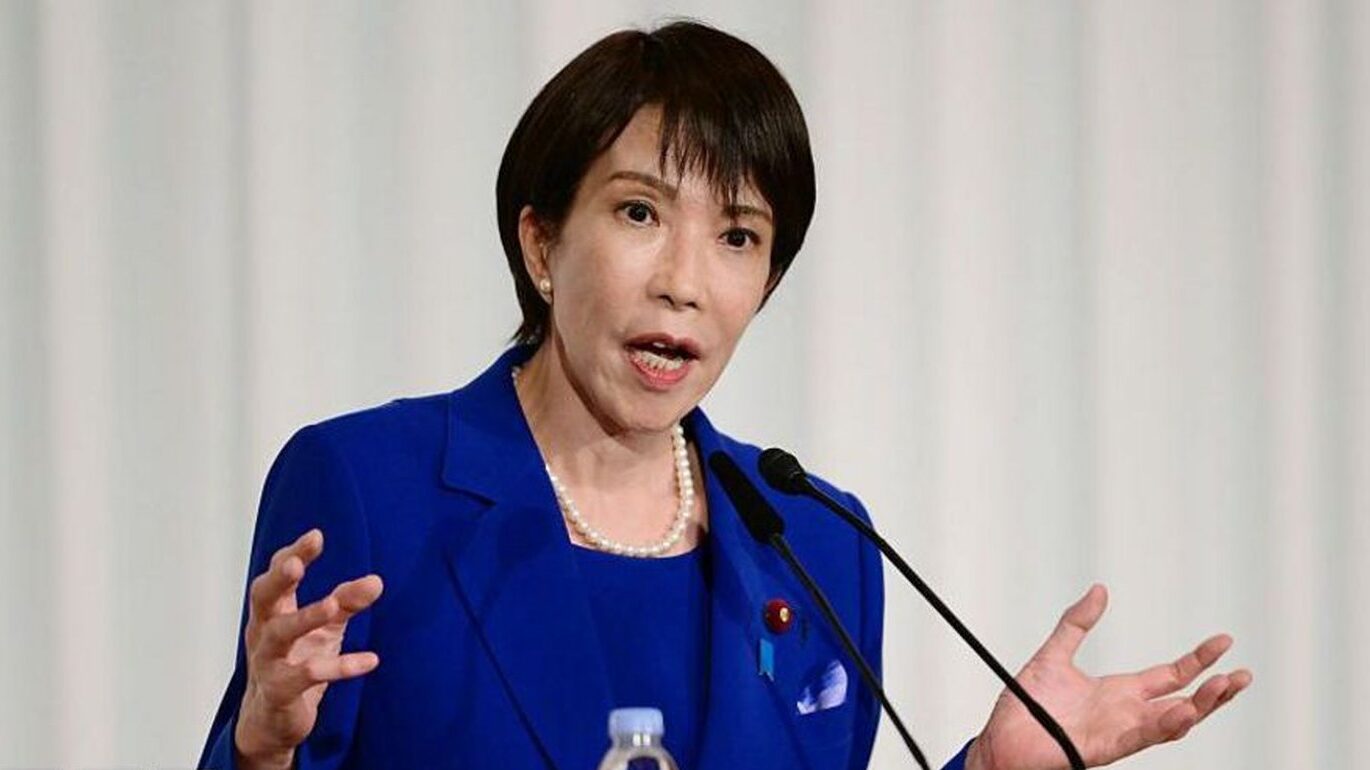
Sanae Takaichi has emerged as a pivotal figure in Japan’s political and economic landscape, propelling the nation’s stock markets to unprecedented highs. As the new leader of the ruling Liberal Democratic Party (LDP), her policies and vision for Japan’s future economy have garnered immense attention from investors and economists alike. This article delves into her leadership’s immediate impact on Japan’s stock market, her economic principles, and the challenges she faces as she potentially becomes Japan’s first female prime minister.
A Record Surge in Japan’s Stock Market
Following the announcement of Sanae Takaichi as the leader of the LDP, the Nikkei 225 index soared by 4.5%, surpassing 47,000 points for the first time. This surge reflects investor optimism about her pro-business stance and her commitment to economic growth. Shares in sectors such as real estate, technology, and heavy industry saw significant gains, signaling confidence in her ability to stimulate corporate expansion and innovation. However, the stock market’s enthusiasm also coincided with a drop in the yen, which hit a record low against the euro and declined 1.7% against the US dollar. Economists attribute this dip to concerns over potential increases in government debt under Takaichi’s policies.
Takaichi’s Economic Vision
Mentored by the late Prime Minister Shinzo Abe, Sanae Takaichi has been a staunch advocate of Abenomics—a strategy characterized by high government spending and low borrowing costs. Her admiration for Margaret Thatcher’s free-market approach underscores her pro-business ideology. Takaichi’s economic proposals include increased fiscal spending to revitalize Japan’s sluggish economy and measures to lower borrowing costs, encouraging investment and consumer spending. While these policies have the potential to spur growth, they also carry risks, particularly in terms of exacerbating Japan’s national debt and weakening the yen further.
Challenges Ahead for Takaichi
Should Takaichi become Japan’s next prime minister, she will face a myriad of challenges. Among these are navigating complex US-Japan trade relations and addressing a tariff agreement initially brokered by her predecessor. With global economic uncertainties and the US dollar’s strength against the yen, Takaichi’s ability to negotiate favorable terms with international partners will be critical. Domestically, she must tackle issues such as slow wage growth and rising living costs, which have strained Japanese households. Her leadership will also be tested by the need to balance fiscal expansion with long-term economic stability.
The Historical Significance of Takaichi’s Leadership
If confirmed as prime minister, Sanae Takaichi would break new ground as Japan’s first female leader. This milestone would not only reshape perceptions of gender roles in Japanese politics but also inspire broader societal changes. Her ascent to power symbolizes a shift in the political landscape, where women are increasingly taking on leadership roles in traditionally male-dominated arenas.
Sanae Takaichi’s influence on Japan’s stock market is indicative of her potential to shape the nation’s economic future. As she prepares to navigate the complexities of domestic and international politics, her leadership will be closely scrutinized, both for its economic outcomes and its historical significance as a transformative moment in Japanese governance.