
Quick Read
- Sarah Ferguson, Duchess of York, has lost patronage roles at six charities after a 2011 email to Jeffrey Epstein surfaced.
- The email described Epstein as a ‘supreme friend,’ contradicting her previous public statements.
- Charities including Julia’s House, Natasha Allergy Research Foundation, and Prevent Breast Cancer cut ties with Ferguson following the revelations.
- The Duchess says her email was sent under threat of legal action from Epstein and regrets her association with him.
- Royal connections to Epstein, especially involving Prince Andrew, continue to attract intense scrutiny.
Charities Cut Ties After Email Praising Epstein Surfaces
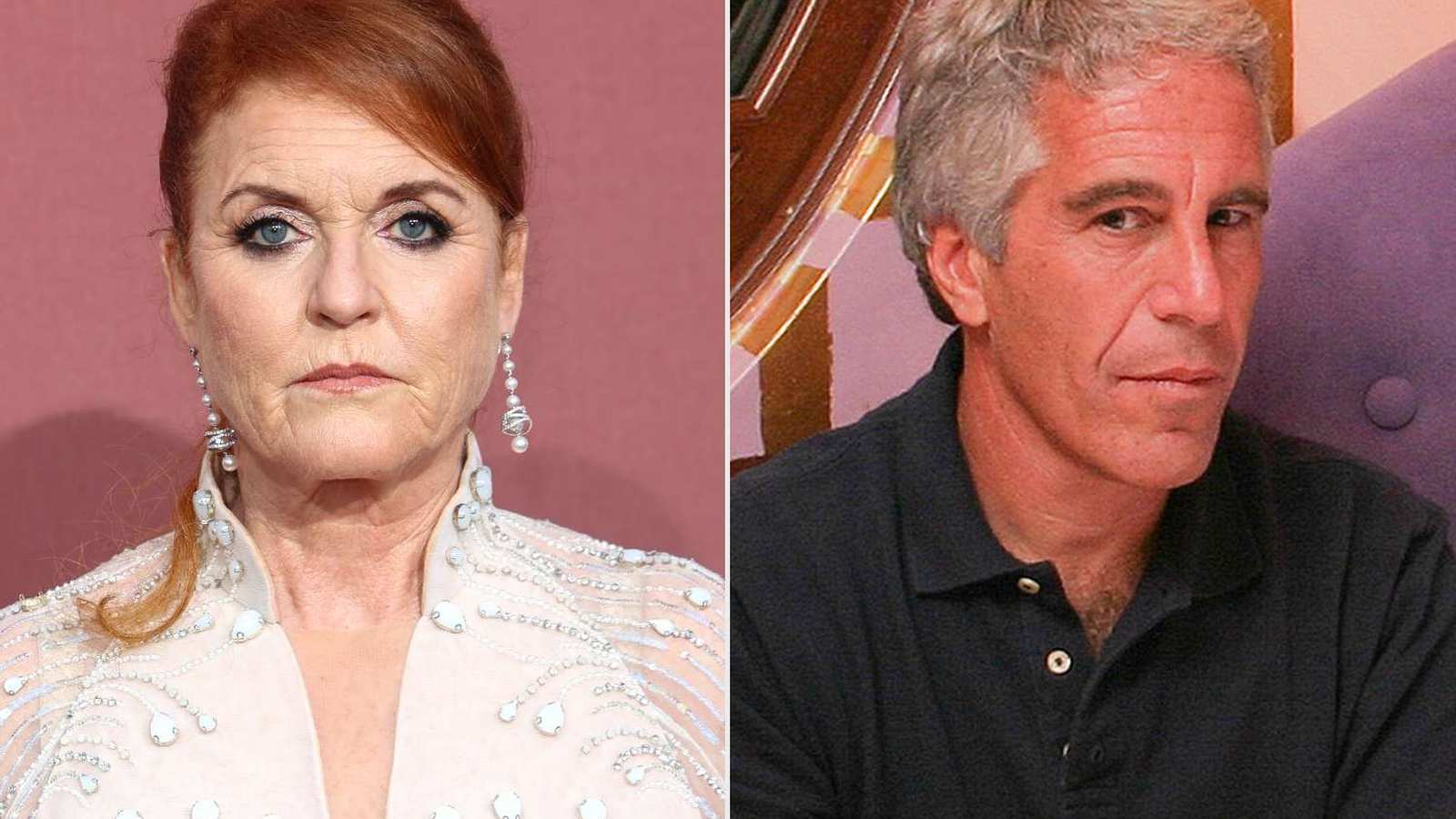
In the wake of renewed scrutiny over royal connections to disgraced financier Jeffrey Epstein, Sarah Ferguson, Duchess of York, finds herself at the center of a storm that has swept away her longstanding ties with several prominent charities. The catalyst: a leaked 2011 email in which Ferguson described Epstein as a “steadfast, generous and supreme friend,” despite his conviction for sex offenses.
The email, published by The Sun and The Mail on Sunday, arrived just weeks after Ferguson had publicly distanced herself from Epstein. In a 2011 interview with the London Evening Standard, she called her previous involvement with him a “gigantic error of judgment,” expressing deep regret and vowing never to have anything to do with him again. Yet, the private correspondence painted a very different picture—one of apology and reassurance to Epstein, who had recently threatened legal action over her public comments.
Immediate Fallout: Charities Respond
Within hours of the email’s publication, a domino effect unfolded. Julia’s House, a children’s hospice, was the first to act, announcing it would be “inappropriate” for Ferguson to continue as patron. “Following the information shared this weekend on the Duchess of York’s correspondence with Jeffrey Epstein, Julia’s House has taken the decision that it would be inappropriate for her to continue as a patron of the charity,” the organization stated, thanking her for past support.
Other charities quickly followed suit. The Natasha Allergy Research Foundation, the Children’s Literacy Charity, Prevent Breast Cancer, and the Teenage Cancer Trust each confirmed they were severing ties with Ferguson. The British Heart Foundation removed her as ambassador. Most cited the email and her association with Epstein as their reasons, expressing discomfort and concern over the revelations.
“We were disturbed to read Ferguson’s correspondence with Epstein and feel it would be inappropriate for her to continue to be associated with the charity,” the Natasha Allergy Research Foundation told NBC News. Similar statements echoed across the sector, each underscoring the weight of public trust and the need for clear ethical boundaries.
Royal Connections Under Renewed Scrutiny
Ferguson’s entanglement with Epstein is not the only royal link to come under fire. Her former husband, Prince Andrew, stepped down from royal duties in 2019 after his own close relationship with Epstein became the subject of intense media and legal scrutiny. Andrew faced a lawsuit from Virginia Giuffre, who accused him of sexual abuse—a claim he denied but ultimately settled out of court. The repercussions were swift: Andrew lost his royal patronages and military affiliations, and his public profile diminished considerably.
In recent years, other members of the royal family have distanced themselves from Andrew. The scandal has left an indelible mark, with calls in the United States for more transparency about Epstein’s famous connections. As more details emerge—including alleged messages in Epstein’s so-called “birthday book”—the pressure on public figures linked to him only intensifies.
Epstein died by suicide in a New York jail in 2019 while awaiting trial on federal conspiracy and sex trafficking charges. The shadow of his crimes, and the network of relationships he cultivated, continues to haunt those who crossed his path.
The Duchess’s Perspective: Regret and Public Condemnation
In statements to PEOPLE and other outlets, Ferguson’s spokesperson emphasized her regret over the association. “The Duchess spoke of her regret about her association with Epstein many years ago, and as they have always been her first thoughts are with his victims. Like many people, she was taken in by his lies,” the spokesperson said. The email, they insisted, was sent in the context of advice Ferguson received to try to “assuage Epstein and his threats.”
Ferguson herself has not commented on the charities’ decisions but has stood by her public condemnation of Epstein. She abhorred “pedophilia and any sexual abuse of children,” she said in 2011, and called her involvement a “gigantic error of judgment.” Despite this, the contradiction between her public statements and private correspondence has left many questioning the authenticity of her remorse.
According to friends cited by The Sun, Ferguson’s apologetic email was prompted by aggressive legal threats from Epstein, who felt personally betrayed by her public denunciations. The message, written in April 2011, reads: “As you know, I did not, absolutely not, say the P (pedophile) word about you. I know you feel hellaciously let down by me. And I must humbly apologize to you and your heart for that. You have always been a steadfast, generous and supreme friend to me and my family.”
Impact on Charitable Work and Legacy
Ferguson’s removal from her patronage roles marks a dramatic shift for the charities involved, many of which had benefited from her visibility and support. Julia’s House, which serves families of children with life-shortening and life-threatening conditions in Dorset and Wiltshire, had welcomed her as a patron in 2018. The Natasha Allergy Research Foundation, founded in 2019 after a tragic incident involving food allergies, had relied on her public advocacy. Prevent Breast Cancer, with which Ferguson had partnered following her own cancer treatment, expressed gratitude for her contributions but felt compelled to act in light of the revelations.
For these organizations, the decision to part ways was not taken lightly. Patronage by high-profile individuals brings attention and funding, but also risk. As the line between public image and private actions blurs, charities are increasingly vigilant, opting for transparency and ethical clarity over celebrity endorsement.
The ripple effects extend beyond Ferguson herself, raising questions about how institutions should respond when reputations are compromised by association. The episode serves as a cautionary tale for other public figures and the organizations they represent.
As Britain’s royal family continues to navigate the fallout from the Epstein scandal, the episode underscores the enduring consequences of past decisions and the unforgiving scrutiny of the public eye. In the end, Ferguson’s story is a reminder that reputational risks can linger long after the headlines fade, reshaping legacies and altering the course of charitable work.
The facts reveal a familiar pattern: the intersection of privilege, power, and accountability often yields uncomfortable truths. Sarah Ferguson’s experience—caught between public condemnation and private pressure—illustrates how past associations can resurface with force, prompting organizations and individuals alike to reckon with the long shadows they cast.