
Quick Read
- Shanghai Cooperation Organization (SCO) called for UN Security Council action after strikes on Iran.
- SCO expressed grave concern over Middle East developments and the armed attack on Iran.
- The bloc emphasized the need for peaceful resolution, dialogue, and respect for Iran’s sovereignty.
- The strikes by Israel, with U.S. support, began February 28, 2026, targeting Iran’s nuclear capabilities.
- Iranian Supreme Leader Ayatollah Ali Khamenei was reportedly among the officials killed in the strikes.
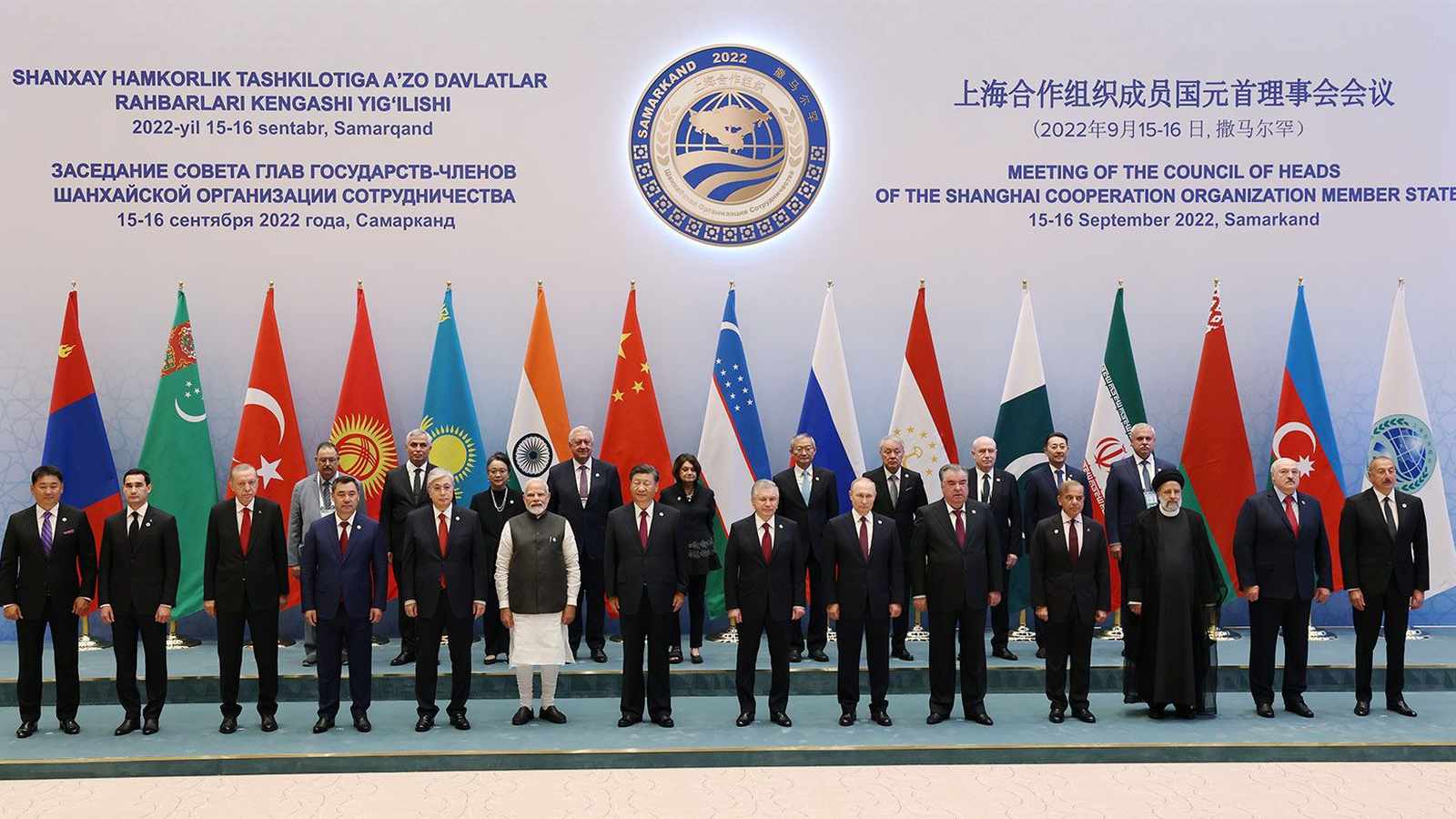
BEIJING (Azat TV) – The Shanghai Cooperation Organization (SCO) has urgently called on the United Nations and its Security Council to take immediate measures to address acts undermining international peace and security, following recent military strikes against Iran. The China-led regional security bloc, comprising member states from across Eurasia, issued a formal statement expressing grave concern over the developments in the Middle East and the armed attack on Iran, emphasizing the need for a peaceful resolution.
The SCO’s intervention comes after Israel, reportedly with United States support, launched a military operation against Iran on February 28, 2026. U.S. President Donald Trump stated at the White House that the operation’s primary goal was to prevent Iran from developing nuclear weapons and neutralize perceived threats to Europe and the United States. The strikes reportedly resulted in the deaths of numerous Iranian officials, including Supreme Leader Ayatollah Ali Khamenei.
SCO Demands Restraint and Respect for Sovereignty
In its official statement released on Monday, March 2, the SCO member states underscored their serious concern regarding the military strikes on the Islamic Republic of Iran. The organization explicitly stated that the use of force is unacceptable and advocated for resolving existing disputes exclusively through peaceful means, based on dialogue, mutual respect, and adherence to the legitimate interests of all parties. A key point of emphasis was the protection of Iran’s sovereignty, security, and territorial integrity, with calls for all parties to exercise restraint and immediately cease actions that could lead to further deterioration of the situation, according to reports from Xinhua and Fakti.bg.
The SCO also conveyed its deep condolences to the families of the victims of the attack and expressed solidarity and support for the government and people of Iran. This robust defense of Iran and call for UN action marks a significant diplomatic move by a bloc that includes major global powers such as China, Russia, and India.
Iran’s Preparedness Amidst Leadership Transition
Despite the severe blow to Iran’s leadership, including the reported assassination of Ayatollah Ali Khamenei and 48 other officials in a single strike, political analysts suggest the country was prepared for such contingencies. Kazakh political analyst Mukhit Assanbayev indicated that Khamenei had already outlined power transfer arrangements following last year’s “12-day war” against Iran, led by Israel and the U.S. These procedures for governing in force majeure situations were decided in advance, according to an interview with Kursiv.media.
Assanbayev noted that Iran’s temporary shift to a collective leadership model, with authority concentrated in the offices of the supreme leader, the speaker of parliament, and the head of the judiciary, demonstrates this preparedness. Successors have reportedly been identified for each position, ensuring continuity. For many Shiite Muslims, Khamenei’s assassination during Ramadan carries deep symbolism, potentially consolidating the regime and mobilizing public support rather than weakening it politically. China is also expected to extend assistance to Iran, further bolstering its position.
Regional Implications and Potential Refugee Flows
The ongoing conflict could have broader regional impacts. While direct effects on countries like Kazakhstan might be limited, primarily manifesting in potential oil price increases, neighboring nations could face significant challenges. Mukhit Assanbayev highlighted the potential for substantial refugee flows into countries such as Azerbaijan, Armenia, and Georgia, as well as Russian republics in the Caucasus. Given that an estimated 15% to 20% of Iran’s population is ethnically Azerbaijani and 5% to 7% is Turkmen, large-scale ground operations or a prolonged war could prompt many to seek shelter in Azerbaijan or Turkmenistan.
The duration of the active phase of fighting is estimated to last from one to two weeks up to a month, with a prolonged standoff depending on additional factors. The stated objective of the U.S. and Israel is to eliminate Iran’s political leadership quickly and compel Tehran to sign a peace deal.
The Shanghai Cooperation Organization’s unified and vocal stance, directly appealing to the United Nations Security Council, signals a significant escalation in international diplomatic pressure regarding the conflict in Iran, potentially shaping the global response and the conflict’s trajectory.