
Quick Read
- Jetstar Asia to cease operations on July 31, 2025, due to rising costs and competition.
- Scoot, Singapore Airlines’ budget carrier, to launch new routes to Okinawa, Labuan Bajo, and Medan.
- SIA Group to adjust flight schedules to meet regional travel demand.
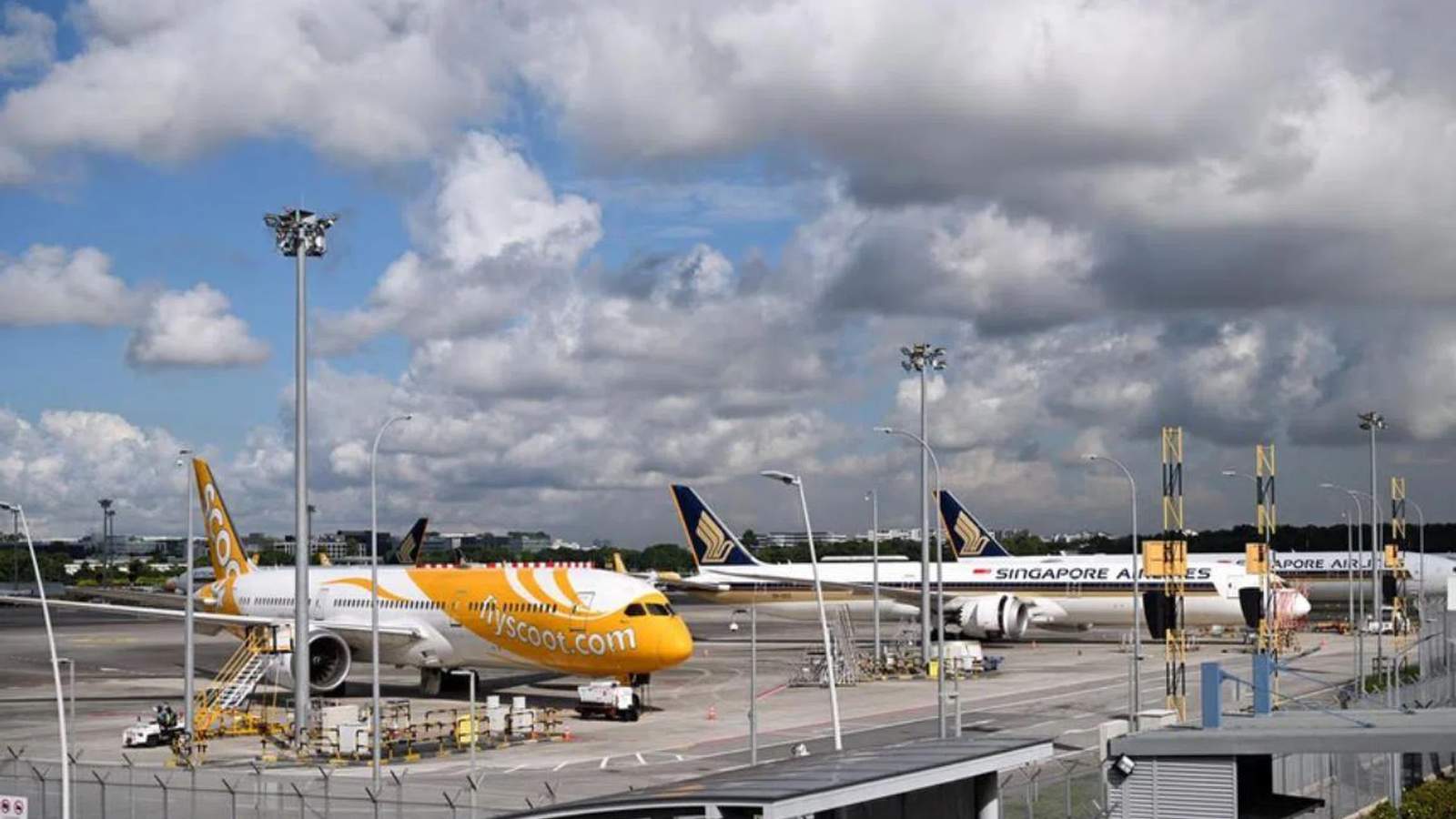
Singapore Airlines’ budget carrier, Scoot, is set to expand its operations significantly following the announced closure of Jetstar Asia. The low-cost airline, a subsidiary of Australia’s Qantas Airways, will cease operations on July 31, 2025, after two decades of service. Rising costs, intense competition, and strategic restructuring within the Qantas group have been cited as reasons for the closure.
Why is Jetstar Asia Shutting Down?
Jetstar Asia, which operates 16 intra-Asia routes from Singapore’s Changi Airport, has struggled to remain profitable in recent years. According to Qantas Group CEO Vanessa Hudson, “We have seen some of Jetstar Asia’s supplier costs increase by up to 200%, which has materially changed its cost base.” The airline has faced double-digit rises in fuel, airport fees, and ground handling charges. Additionally, it has struggled to compete with other low-cost carriers in the region, such as AirAsia and Scoot.
Jetstar Asia’s closure will result in the loss of approximately 500 jobs. The airline plans to redeploy its fleet of 13 Airbus A320 planes to Australia and New Zealand, where Qantas aims to strengthen its domestic and regional operations.
How Will Scoot Fill the Gap?
Scoot, the budget arm of Singapore Airlines (SIA), has announced plans to take over several routes previously operated by Jetstar Asia. Key destinations include Okinawa in Japan, Labuan Bajo in Indonesia, and Medan in Indonesia. These routes, which were exclusively served by Jetstar Asia from Changi Airport, would have been lost without Scoot’s intervention.
In addition to launching new routes, Scoot plans to increase flight frequencies to existing destinations. For example:
- Flights to Bangkok will rise from 35 to 42 per week by October 26, 2025.
- Flights to Penang will increase from 21 to 28 weekly starting August 2025.
- Scoot will also use larger Boeing 787 Dreamliner jets on some flights to Manila, offering over 300 seats per flight.
The SIA Group has emphasized its commitment to supporting regional connectivity. A spokesperson stated, “The SIA Group continues to monitor the demand for air travel and adjust our network and capacity as needed.” Full flight schedules are expected to be released soon, pending regulatory approval.
Impact on Singapore’s Aviation Landscape
Jetstar Asia’s closure represents a significant shift in Singapore’s aviation sector. The airline accounted for 3% of Changi Airport’s total traffic, carrying approximately 2.3 million passengers annually. Its exit will free up valuable landing and take-off slots, particularly during peak hours, which Scoot and other carriers are likely to capitalize on.
Changi Airport Group (CAG) has assured stakeholders that 12 of the 16 affected routes are served by other airlines, offering over 1,000 weekly services. For the remaining four destinations—Okinawa, Labuan Bajo, Medan, and Broome—CAG is working to restore connectivity.
Industry analysts view this as an opportunity for Scoot to expand its market share. The airline, which launched in 2012, has grown steadily to become a key player in Asia’s low-cost carrier market. By taking over Jetstar Asia’s routes, Scoot can enhance its network and strengthen its position in the region.
Historical Context and Future Outlook
Jetstar Asia was established in 2004 as a joint venture between Qantas and Singapore-based Westbrook Investments. Over the years, it played a crucial role in connecting Singapore to secondary cities across Asia. However, it struggled to achieve consistent profitability, reporting losses in 14 of its 20 years of operation.
The airline’s closure is part of a broader restructuring effort by Qantas, which aims to focus on its core markets in Australia and New Zealand. The move is expected to release up to A$500 million for fleet renewal and other investments.
For Singapore Airlines, this development presents an opportunity to strengthen its budget arm, Scoot, while addressing the gaps left by Jetstar Asia. With plans to launch new routes and increase frequencies, Scoot is poised to play a larger role in meeting the region’s growing travel demand.
As Singapore’s aviation landscape evolves, the closure of Jetstar Asia marks the end of an era. However, it also opens the door for new opportunities, with Scoot and other carriers stepping up to ensure seamless connectivity across Asia.