
Quick Read
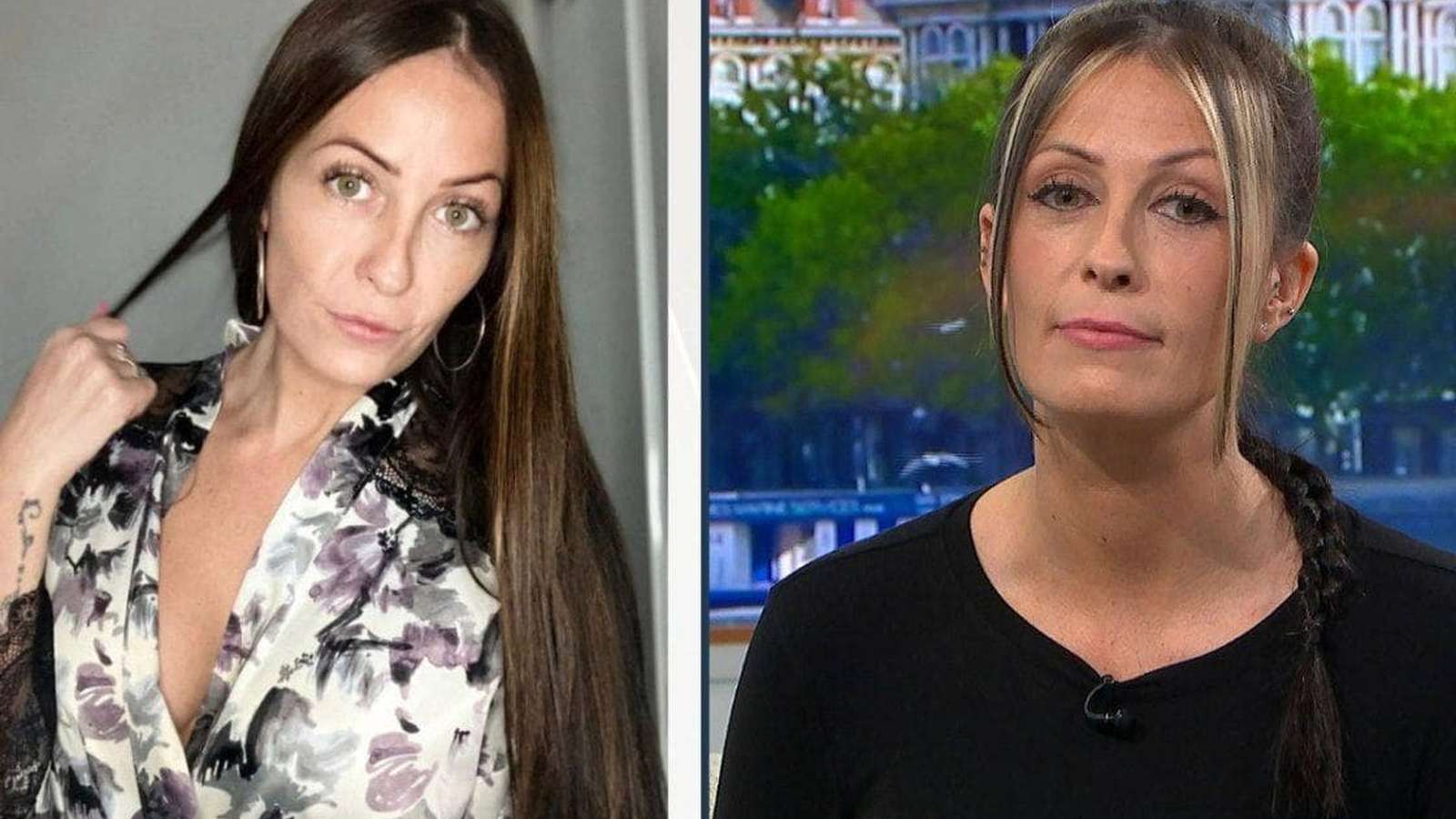
- Kirsty Buchan, a former Glasgow physics teacher, was banned from teaching after her OnlyFans page was discovered by pupils.
- She faces over £60,000 in tax and penalty charges after being named a deliberate tax defaulter by HMRC.
- Buchan earned up to £60,000 in a single month from OnlyFans, citing financial pressures as her motivation.
- The General Teaching Council for Scotland banned her for two years for bringing the profession into disrepute.
- She is disputing the penalty charges and has stated she intends to pay the final amount owed once resolved.
Kirsty Buchan’s Journey from Physics Classroom to OnlyFans Controversy
In the heart of Glasgow, Kirsty Buchan once stood before her students at Bannerman High School, guiding them through the mysteries of physics. But in late 2022, her career took an unexpected turn. Buchan, a single mother, found herself at the center of a national debate when her side hustle—posting explicit content on OnlyFans under the pseudonym Jessica Jackrabbit—was discovered by pupils.
The fallout was swift and public. Complaints from parents poured in, and the General Teaching Council for Scotland (GTCS) convened to determine Buchan’s future in education. Their verdict: Buchan had brought “the teaching profession into disrepute” and failed to uphold the integrity expected of educators. She was banned from teaching for two years, a decision that underscored the profession’s commitment to public confidence.
Financial Struggles and the Rise of a Side Business
Buchan’s journey into adult content creation wasn’t a simple tale of rebellion. She cited ongoing pay disputes and economic pressures as her motivation to join OnlyFans. In her own words, she described herself as a “good teacher gone bad,” posting images to supplement her income in a climate where teachers often feel undervalued.
Her efforts paid off—at least financially. Buchan claimed she made £60,000 in a single month on the platform. But with success came scrutiny. HM Revenue & Customs (HMRC) began to investigate her finances, ultimately naming her on its list of deliberate tax defaulters. According to officials, Buchan owed £38,902.37 in unpaid taxes and an additional £25,189.28 in penalties, bringing her total liability to over £64,000 for the 2022/23 tax year (Daily Record, STV News).
HMRC’s Crackdown: Naming and Shaming
Buchan’s case is not isolated. She was one of more than 160 individuals and businesses listed by HMRC as deliberate tax defaulters in November 2025, a group that included vape importers, waste brokers, property developers, and online retailers. The agency’s approach is direct: publish the names, outline the penalties, and send a clear message that non-compliance has consequences.
Kevin Hubbard, HMRC’s director of individuals and small business compliance, emphasized the importance of a “level playing field for businesses.” By exposing deliberate defaulters, HMRC aims to deter others from similar actions and reinforce the social contract around taxation.
In Buchan’s case, the penalties were civil, not criminal. She is disputing the final amount owed, telling BBC Scotland News she intends to pay once the details are resolved. “I am not avoiding paying the tax bill,” Buchan stated, “but I am in the process of disputing the penalty charges and the final amount owed. Once that is all sorted I will be clearing any tax owed.”
Public Reaction: Professional Boundaries and Privacy
Buchan’s story has sparked widespread debate in Scotland and beyond. Some argue that teachers, as role models, must maintain strict professional boundaries—even outside of work. Others point to the financial realities many educators face, questioning whether personal choices made outside the classroom should cost someone their career.
The case has also highlighted the risks of online visibility. The GTCS noted that Buchan had failed to conceal her identity and profession, contributing to the ruling that she lacked integrity. Her experience serves as a cautionary tale about the intersection of digital entrepreneurship and traditional employment.
For Buchan, the consequences have been severe: a public ban from teaching, a hefty tax bill, and ongoing scrutiny from both the media and the public. Yet, she remains defiant, challenging the penalties and asserting her intention to resolve her financial obligations.
The Wider Context: Tax Compliance and Digital Economies
Buchan is not alone in facing tax penalties. HMRC’s November 2025 list included several other Scottish businesses and individuals. Notably, Wei Quinn, a former Chinese takeaway operator in Glasgow, was penalized more than £200,000 after defaulting on nearly £290,000 in taxes. Mechanics, online retailers, and gift card sellers also appeared on the list, underscoring the agency’s broad crackdown on tax non-compliance.
As digital platforms like OnlyFans become mainstream sources of income, tax authorities are adapting to new challenges. The line between personal enterprise and professional responsibility is increasingly blurred, prompting calls for clearer guidance and support for those navigating these complex waters.
Buchan’s case sits at this intersection—a story of financial survival, public scrutiny, and the evolving nature of work in the digital age.
Analysis: Kirsty Buchan’s ordeal is emblematic of the tensions facing modern professionals: balancing personal autonomy, financial necessity, and public expectations. Her story underscores the need for honest conversations about the realities teachers and digital creators face, as well as the importance of clear legal and ethical boundaries. Ultimately, Buchan’s experience may prompt both educators and policymakers to reconsider how private enterprise and public trust intersect in an increasingly online world.